
Michael Dell
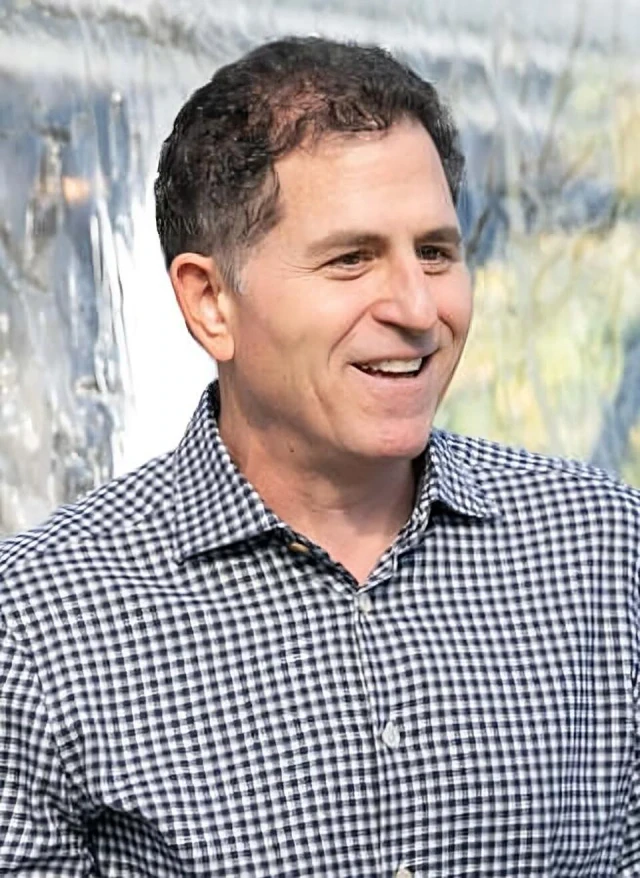
BUSINESS ASSOCIATION
Dell Technologies
Explore Dell Technologies: company profileA computer entrepreneur whose student business developed into Dell Technologies, with later leadership encompassing ownership changes, enterprise technology and a separate philanthropic organization.
Making the customer's requirements the starting point
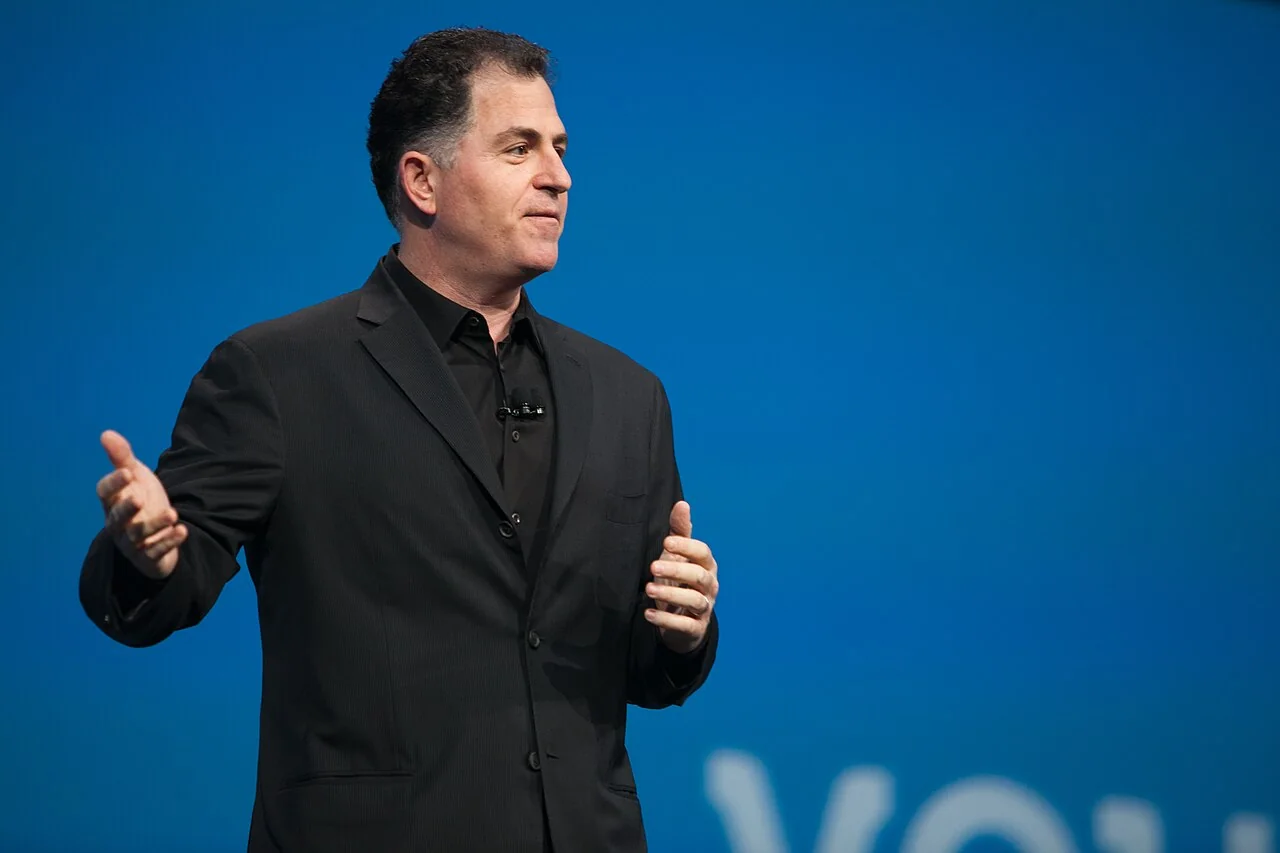
Michael Dell began the business that became Dell Technologies in 1984 while studying at the University of Texas at Austin. His early model used a direct customer relationship to configure computers around what people needed. The source company biography identifies him as Dell Technologies' chairman and chief executive.
Understanding an order and arranging its delivery connected product decisions with operational design. As the business developed, assembling, selling and supporting computers required larger systems and an organization behind them. Dell's founder story therefore includes the way a company works as well as the technology it supplies, with customer requirements providing a shared point of reference.
Developing the business through structural changes
Dell took the company private in 2013. The combination with EMC in 2016 created Dell Technologies and expanded its activities beyond the original personal-computer business. Enterprise infrastructure and other capabilities entered the wider group, which subsequently returned to public markets in 2018.
These milestones describe separate changes in ownership and business scope. Dell continued to lead through the transitions as the company served both individuals purchasing computers and organizations managing larger technology environments. His career includes adapting an established operation to different customer requirements, alongside the early work of building its direct-sales model.
The changes also give the company history several different customer settings. A personal computer order and an enterprise infrastructure requirement are distinct ways of encountering technology. The organization developed capabilities for those different needs as its scope expanded. This adds breadth to the founder's original principle of shaping an offer around what a customer requires.
Creating another institution through philanthropy
Michael and Susan Dell established the Michael & Susan Dell Foundation in 1999. Its programmes focus on the lives of children and families through education, health and economic opportunity. The foundation provides an organizational setting for this work separate from his executive responsibilities at the technology company.
The distinction gives his biography a second institutional strand. Commercial leadership concerns products, customers and a technology operation, while the foundation directs resources toward opportunities beyond that company. Both require people and organizations working over time, with different purposes. Recognizing those differences makes each part of the professional and philanthropic background clear.
Keeping the foundation separate allows its aims to be understood in their own setting. Education, health and economic opportunity provide a focus for programmes beyond a commercial sale. This gives the philanthropic chapter a defined purpose within the wider biography.
Sources [3]
Organizing a business around a computer order
The original direct model placed the customer's requirements at the center of the computer business. Michael Dell connected assembly with selling, using the relationship with the buyer to shape the system supplied. This gave the student venture an operating approach as well as a product to offer.
The model required understanding what someone wanted, assembling the computer and supporting the purchase afterward. These connected tasks became part of the organization as it grew. Operational design gives substance to the founding account, showing how the relationship with a customer informed the work carried out behind each order.
Sources [1]
Adapting a mature company to a wider technology role
The 2013 move into private ownership, 2016 EMC combination and 2018 public-market return form a sequence of distinct developments. Ownership and access to markets changed in the first and third milestones, while EMC brought a broader range of technology capabilities into the organization. Together they show different dimensions of company development.
Dell's leadership remained closely associated with the business as its structure and scope evolved. This adds the work of adapting a mature organization to the original founder story. The company addressed a wider technology setting while retaining the entrepreneurial background built around understanding and supplying what customers needed.
Sources [2]
Establishing a shared philanthropic organization
Michael and Susan Dell created the foundation together, with its own people and programmes supporting education, health and economic opportunity. This makes it a shared philanthropic undertaking rather than an extension of computer sales. Its work gives these aims a distinct institutional setting alongside the commercial company.
A foundation directs resources toward social purposes, while a business serves demand for products and services. Dell's association connects both organizations without making their activities interchangeable. The foundation adds another long-term organizational project to his biography, broadening the account of his professional and philanthropic responsibilities.
Sources [3]
A few turning points
Career milestones
The direct relationship as an operating model
The early computer business joined several decisions around an individual order. A customer needed a system suited to a purpose, and the business had to understand the requirements, arrange the components and deliver the result. This makes the direct relationship more than a way of advertising a product. It places information from the buyer inside the operation itself. Dell's founding biography connects that approach with the student venture in Austin, giving the company a recognizable operating principle before the later changes in ownership and technology scope.
Support after a purchase also belongs to the same customer relationship. The computer is intended for continuing use, so the service extends beyond the moment the order is placed. The early model therefore connects selling with assembly and ongoing assistance. These responsibilities supply context for the development of an organization serving a much broader technology market. Michael Dell's long leadership association is followed through those changes, while the official timeline identifies the separate corporate milestones that altered the company's structure and range.
Ownership, technical scope and philanthropy as distinct chapters
The private-ownership transaction, EMC combination and return to public markets each concern a different aspect of company development. One changes the ownership setting, another adds technology capabilities, and another changes the public-market relationship. The company timeline makes those stages identifiable. Keeping them distinct gives Dell's career chronology more precision than a single account of expansion. The founder's leadership connects the stages, while the organization's activities become wider than the personal-computer offering through which the business initially developed.
Enterprise infrastructure also places the company in a different customer setting from an individual buying a computer. Organizations need systems that support their own work, introducing additional technical and service responsibilities. The EMC chapter helps explain that broader company scope. The source record connects Dell's executive association with an institution that developed through both internal operations and a major corporate combination, giving the professional history a structural chapter alongside the original direct-sales model.
The foundation supplies another institution, established with Susan Dell and organized around its own purposes. Education, health and economic opportunity are described as programme areas concerning children and families. This association is distinct from the commercial company's customers and technology products. The two institutions therefore give the biography parallel strands: a long career in technology leadership and a shared philanthropic organization. Naming both founders and the stated areas of work keeps the latter concrete, with the foundation's own material providing the direct source for its mission.
Across the account, an early customer-focused operating model develops into the leadership of a broader company, while philanthropy creates a separate institutional relationship. The company biography, timeline and foundation source allow each stage to remain identifiable within one professional history.
The named partnership with Susan is especially important to the foundation account. It establishes the philanthropic organization as a shared undertaking, with its own purposes and programmes. The commercial company and the foundation consequently provide separate institutional settings for the later biography. Keeping both visible allows the career to include technology leadership and philanthropic activity while preserving the different work and relationships described by each source. The foundation and company accounts supply different institutional perspectives, allowing the same professional life to be followed through commercial leadership and shared philanthropic work while retaining the named organizations and their stated purposes.
The evidence behind the account
Sources & further reading
The linked source material was checked on October 13, 2026. Roles and business relationships may change. Source numbers refer to the sections above.
- Dell TechnologiesMichael Dell — leadership biography
- Dell TechnologiesHow we got here — Dell company timeline
- Michael & Susan Dell FoundationMichael & Susan Dell Foundation
IN PICTURES THE PHOTO ARCHIVE
More of Michael Dell.
8 photographs
A closer look, beyond the biography.
_(cropped).jpg)


_(15199228948).jpg)

.jpg)
.jpg)

.jpg)
CONNECTED BY FIELD
Other people.
Shared territory.
Technology
Elon Musk
SpaceX · Tesla
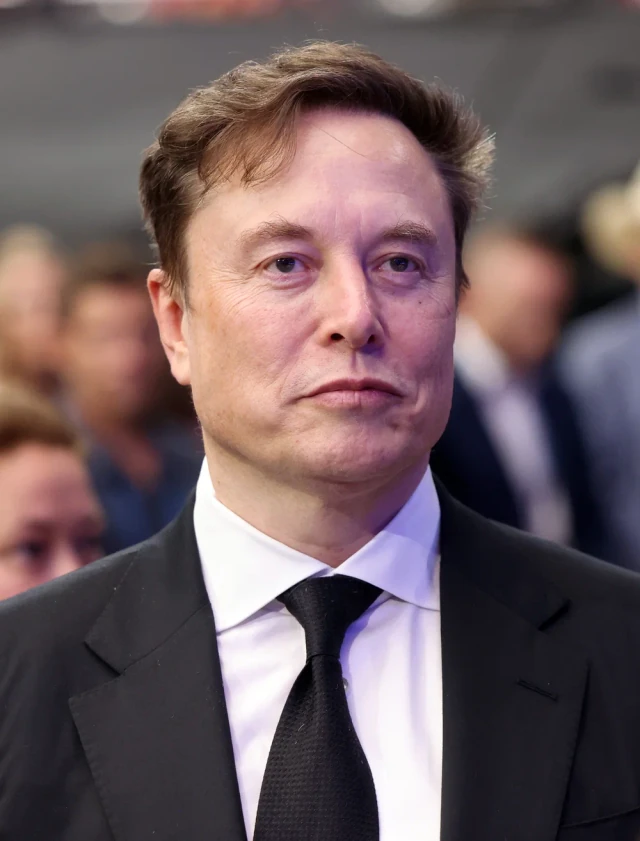
Elon Musk's career brings together software ventures and large engineering businesses, with distinct founding, investment and leadership chapters.
Consumer Brands
James Dyson
Dyson
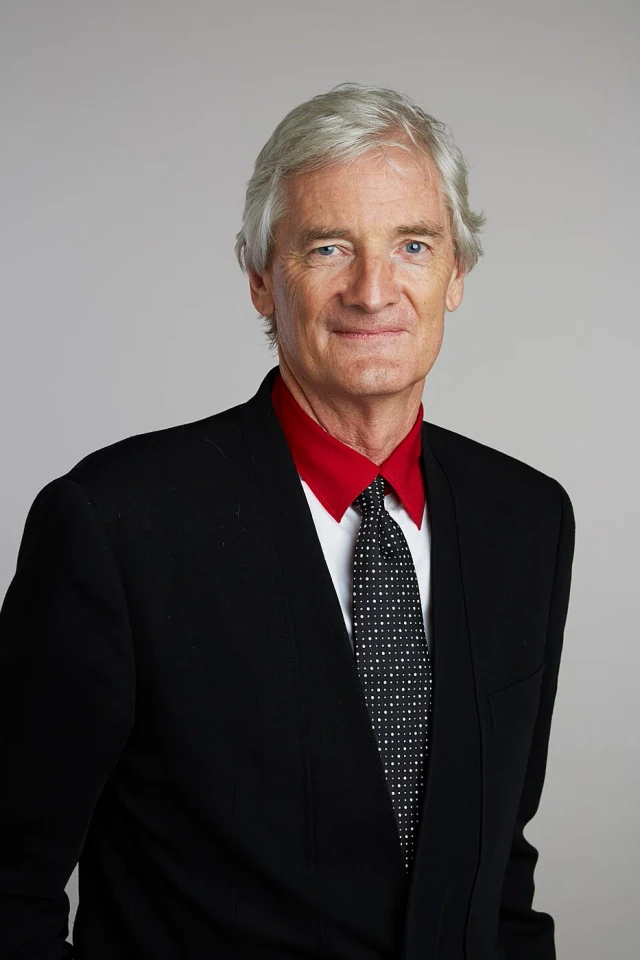
James Dyson's career connects design education, sustained prototyping and the work of building a company, with engineering education forming another strand.

Technology
Steve Jobs
Apple · NeXT · Pixar
Steve Jobs' biography follows company creation, a period developing other ventures and a return to Apple, with product presentation central to his public identity.