
Steve Jobs

BUSINESS ASSOCIATION
Apple · NeXT · Pixar
Explore Apple: company profileAn Apple co-founder whose entrepreneurial career also included NeXT and Pixar, bringing computing, product experience and storytelling into connected professional chapters.
Developing Apple within personal computing
Steve Jobs founded Apple with Steve Wozniak and Ronald Wayne in 1976. Its early products brought computing into homes, schools and workplaces as the personal-computer industry developed. Jobs became closely associated with how those products were imagined, introduced and experienced by the people using them.
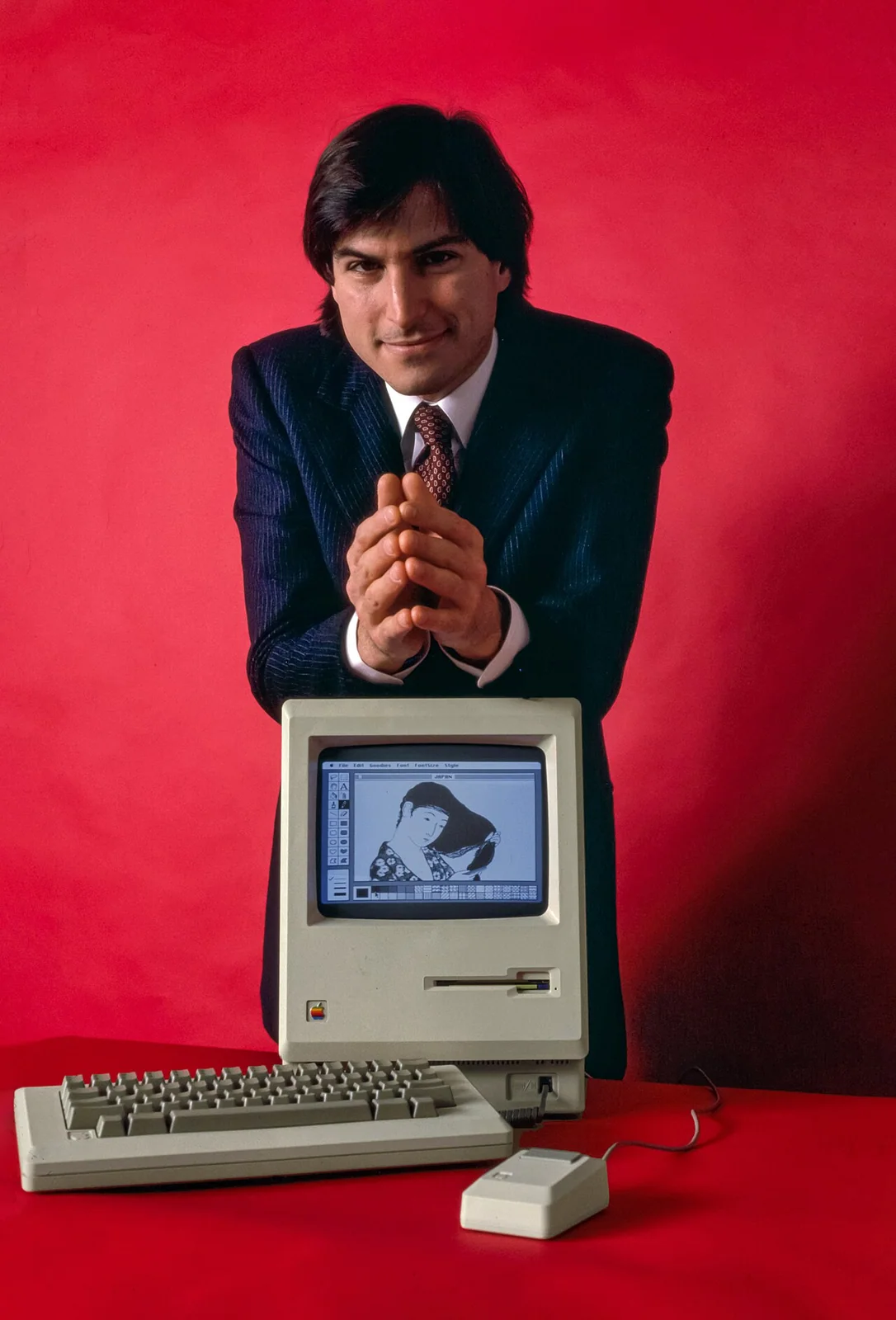
The Macintosh arrived in 1984, adding a significant product chapter. Its graphical interface and presentation connected technical capability with the experience of using a computer. That emphasis on the relationship between a machine and its user became part of the approach associated with Jobs' career.
Creating another entrepreneurial chapter through NeXT and Pixar
After leaving Apple in 1985, Jobs established NeXT and became involved in the business that developed into Pixar. In his Stanford commencement address in 2005, he recalled this period as a creative stage of entrepreneurship, opening room for work in different companies.
NeXT focused on computing technology, while Pixar developed a computer-animation business. Their different products connected his work with hardware, software and storytelling. Both became important parts of his professional history beyond the company he had originally helped create.
Sources [1]
Returning through a new product chapter
Apple's acquisition of NeXT brought Jobs back in 1997. The later period included products such as the iMac, iPod and iPhone, bringing hardware, software and services into familiar consumer routines. It connected his renewed company role with another sequence of product development and presentation.
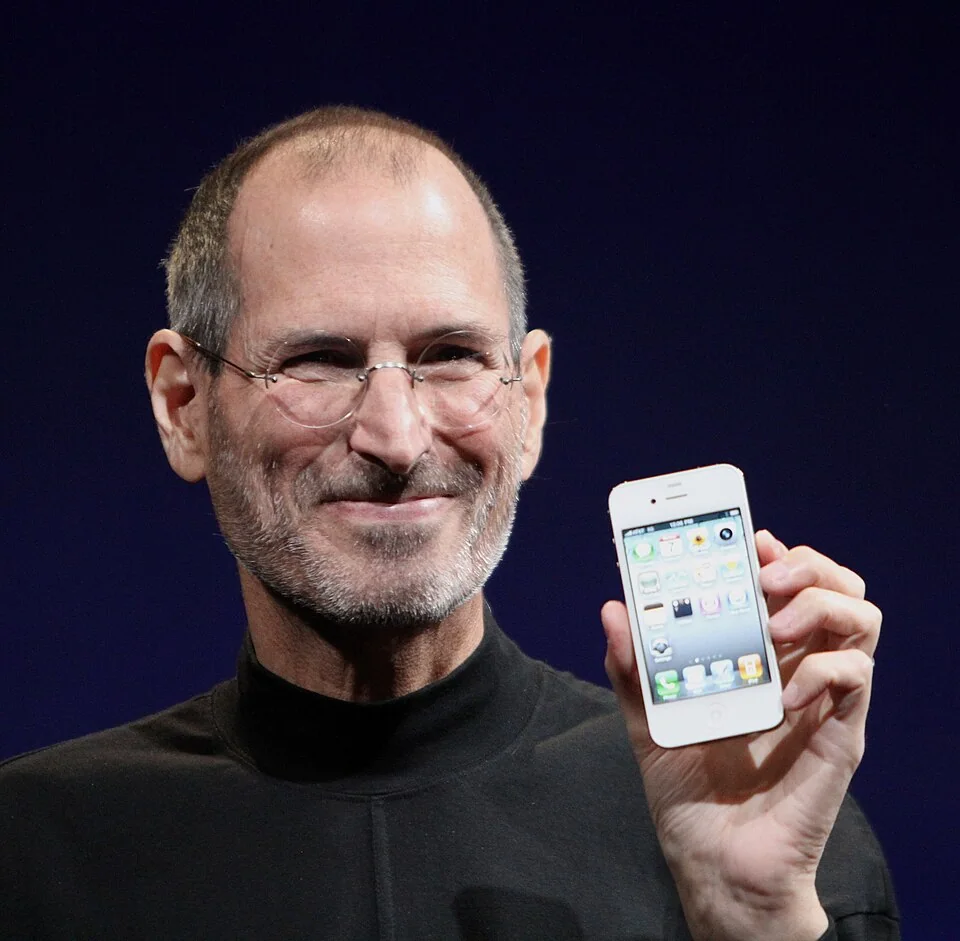
The January 2007 iPhone announcement described a phone, an iPod and an internet communications device together in one product. This documented launch offers a specific milestone within the wider return story. It gives the combination of product design and customer experience a concrete example.
Introducing technology through a recognizable public voice
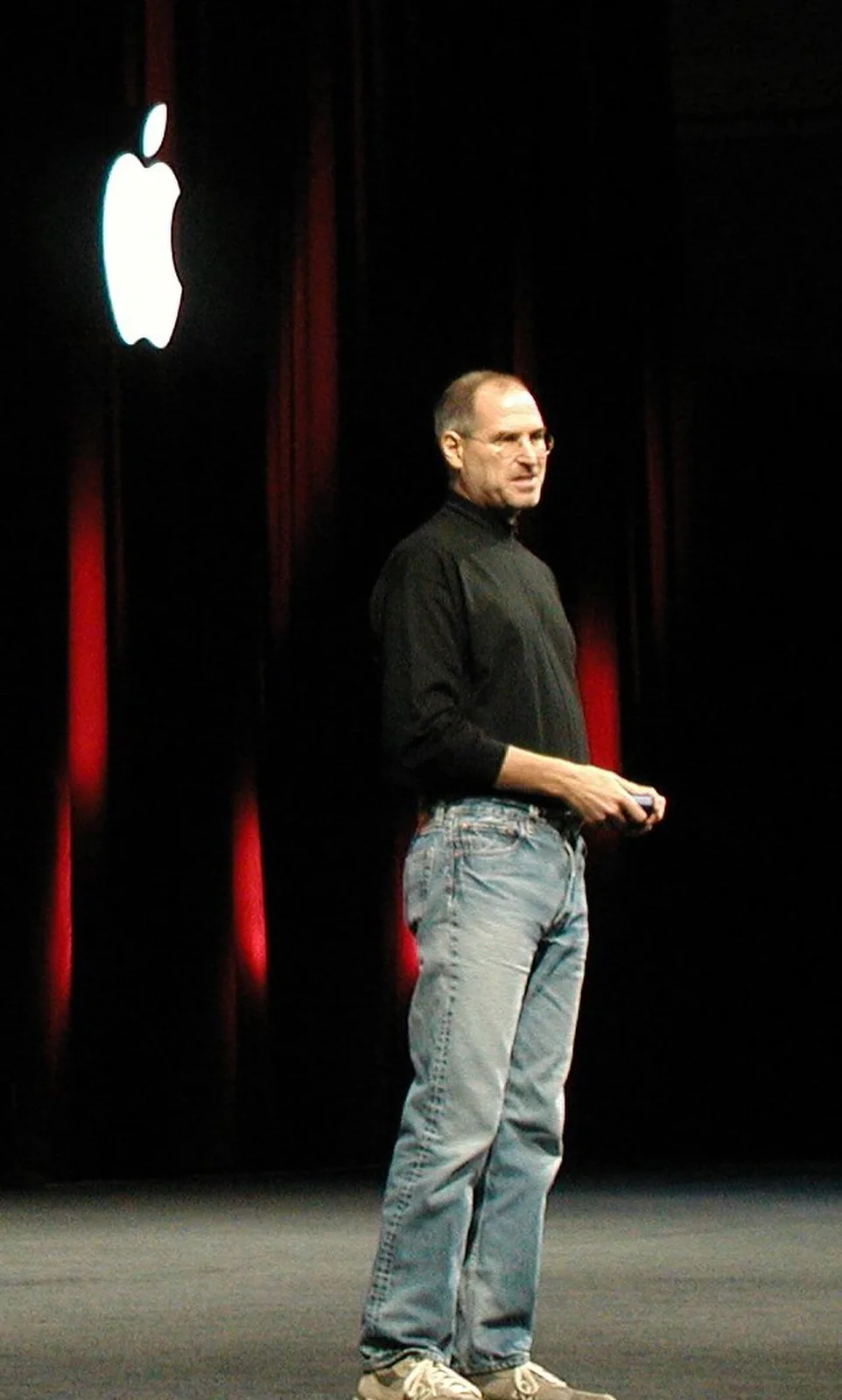
Jobs' public presence developed through launches and presentations in which he explained Apple's new products and their intended role in daily life. This differs from the later social-media creator model, with the product introduction itself providing a central setting for audiences to encounter him.
Apple's tribute recognizes his work and shares messages about its influence. His entrepreneurial legacy connects the organizations and products he helped develop with an approach to making technology understandable in everyday use. Presentation formed part of that relationship alongside the company and engineering work behind the products.
A few turning points
Career milestones
The personal-computer company and the experience of using its products
Apple's founding partnership places Jobs alongside Wozniak and Wayne within the beginning of the company. The early products belonged to a developing personal-computer market, where the machine could become useful in a home, a school or a workplace. Jobs's later public identity is closely connected with the way a product was introduced and understood by its users. This gives the entrepreneurial account a particular focus: a technical device becomes part of someone's daily activity through the complete experience presented around it, including hardware, software and communication.
The Macintosh chapter makes that relationship concrete. A graphical interface supplies a visible environment through which a person interacts with software. The computer's presentation and the way it is used therefore become connected parts of the product. This is one reason the biography follows individual launches alongside the company's broader history. A product milestone gives the organizational story a tangible form, connecting the people developing the technology with the users encountering it. Jobs's association belongs within that company setting, where an identifiable public presenter introduced work produced by a wider organization.
A launch also creates a distinct kind of audience relationship. Someone watching a presentation can learn the intended use of a product before deciding whether to purchase it. Jobs's public appearances brought explanation and demonstration into that setting. This differs from an ongoing social-media feed, with the product itself providing the central occasion for communication. The company and tribute sources preserve that public association, while the professional sequence also includes organizational changes that altered his role in the businesses around him.
The entrepreneurial period outside Apple
NeXT and Pixar give the period after Jobs's departure from Apple two separate company settings. Computing technology and computer animation concern different products, but both place technical work within an organization intended to create something other people can use or experience. His Stanford commencement address describes this stage from his own perspective. The speech is valuable as a first-person retrospective, explaining how he understood the period rather than supplying only a later list of corporate milestones. It adds a personal account to the chronology of companies and roles.
The NeXT acquisition later created the route back into Apple. This connects a venture established during the period outside the company with a renewed role in the original organization. The sequence gives the biography a distinctive structure: departure, further entrepreneurial activity and return through a corporate development. It shows why the outside period is a substantive part of the professional history rather than an interval between familiar Apple products. The computing work carried out in another company became part of the institutional setting through which the later chapter began.
Pixar adds another relationship with technology through the production of animated work. An audience encounters a finished story, while the company develops the tools and production environment needed to make it. Jobs's association with that business therefore belongs to a creative medium as well as a technical industry. Keeping the NeXT and Pixar chapters separate makes the range of activity clear, with each organization addressing a different product and audience even though the same individual appears in the wider entrepreneurial account.
A renewed product sequence and a lasting public record
The later Apple period included the iMac, iPod and iPhone, giving the return chapter several recognizable products. A computer, a music device and a phone connect technology with different routines, while hardware and software remain joined within the experience. The original iPhone announcement is a particularly specific source because it describes how the company introduced the product at the time. Its combination of phone, music and internet communication makes the intended use explicit, providing a contemporary record within the longer professional story.
The announcement also shows the relationship between product development and public explanation. A technical combination needs to be understood through what it allows a person to do. The source presents the device in those terms, connecting capabilities with familiar activities. Jobs's launch role belongs within that communication setting. The biography follows the product and the organization together, preserving the difference between the individual explaining the work and the teams and company through which it was developed and delivered.
Apple's tribute adds a retrospective institutional perspective, while the Stanford address adds Jobs's own reflection on his life and professional turns. Those sources offer different forms of record. One comes from the company associated with much of his career; another comes from a public speech given by the individual. Read alongside the product announcement, they give the profile chronology, authorship and tangible examples. The professional account can therefore be followed through both the organizations he helped develop and the public material through which he discussed the experience.
The recurring subject is the meeting point between a technical product and an everyday activity. Early personal computers, later consumer devices and the animation business each provide a particular setting for that relationship. Jobs's documented career connects them through founding, leadership and presentation, with the named companies and publications retaining the practical detail behind the public legacy.
The founding partnerships and later teams remain part of that context, making the public individual one identifiable contributor within the organizations that produced the products and work described in the record.
The evidence behind the account
Sources & further reading
The linked source material was checked on October 13, 2026. Roles and business relationships may change. Source numbers refer to the sections above.
- Stanford UniversitySteve Jobs's 2005 Stanford commencement address
- AppleRemembering Steve
- AppleApple reinvents the phone with iPhone
IN PICTURES THE PHOTO ARCHIVE
More of Steve Jobs.
8 photographs
A closer look, beyond the biography.




.jpg)


.jpg)


CONNECTED BY FIELD
Other people.
Shared territory.

Media & Marketing
Alex Cooper
Unwell
Alex Cooper expanded a recognizable interview show into Unwell, combining her work as a host with the responsibilities of building a platform for other creators.

Digital Business
Andy Frisella
1st Phorm / Supplement Superstores
Andy Frisella connects experience in customer service and nutrition retail with a fitness brand, public business discussions and a defined discipline programme.

Consumer Brands
Ben Francis
Gymshark
Ben Francis built Gymshark from a garage operation into a fitness brand, developing his approach to products, investment and company leadership along the way.