
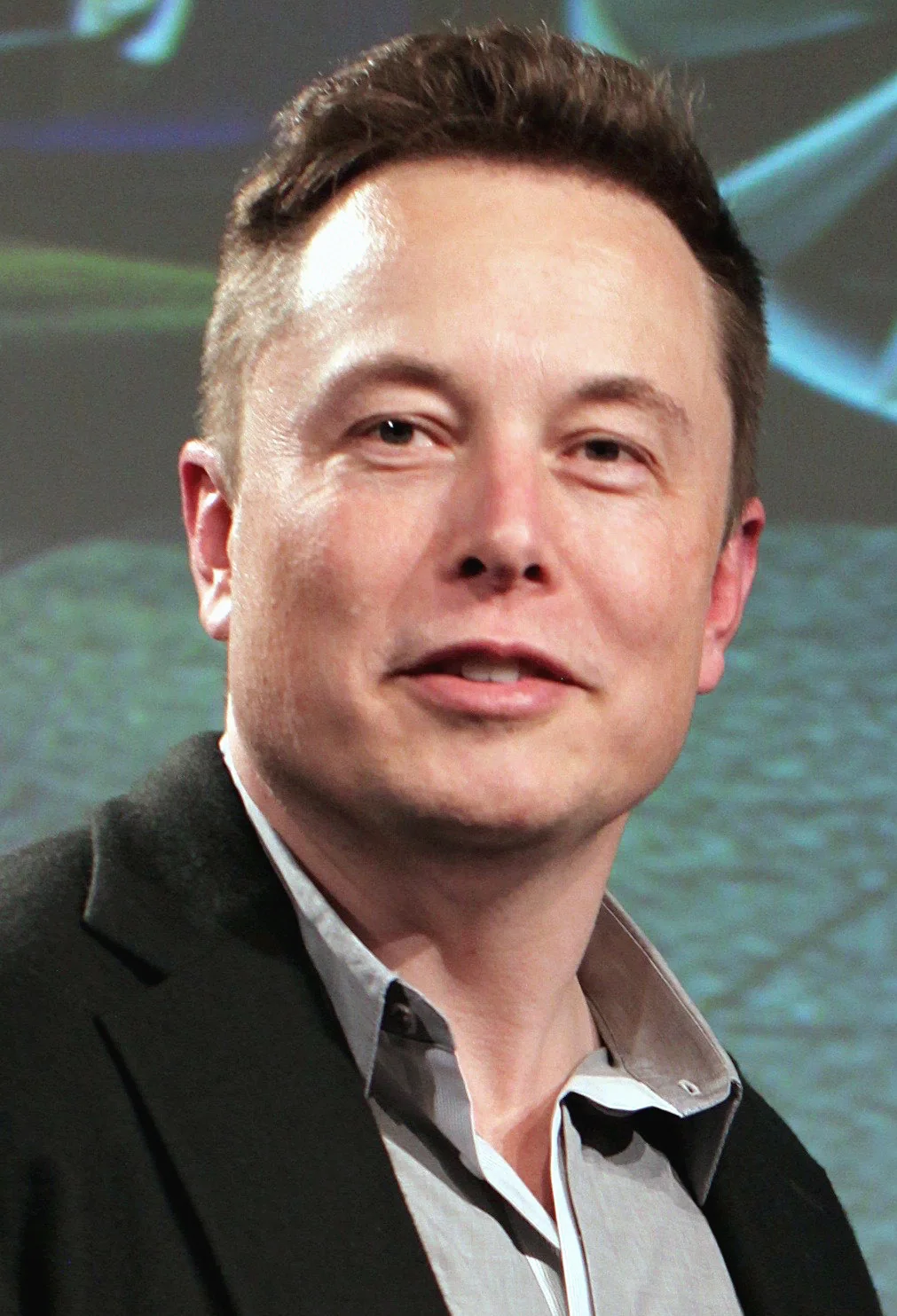
Elon Musk
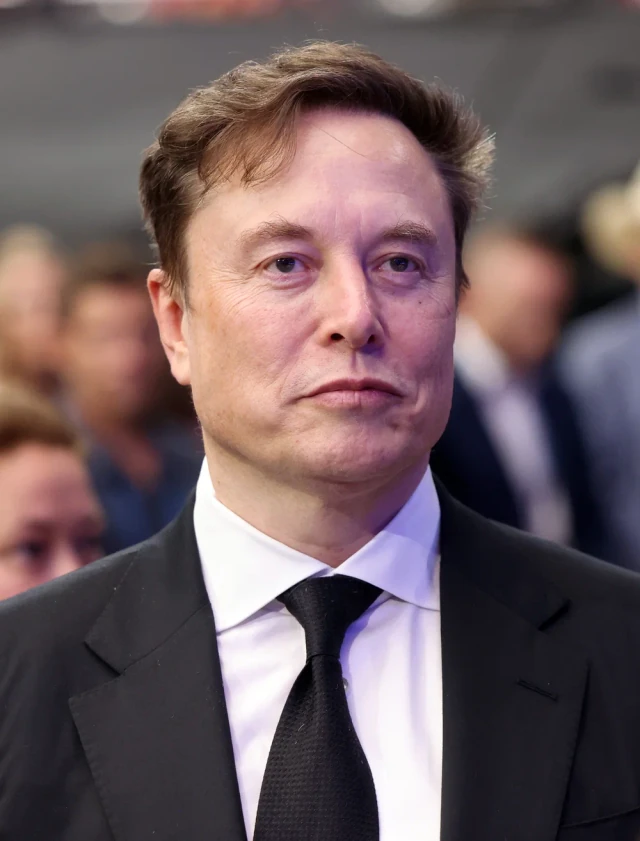
.jpg)
BUSINESS ASSOCIATION
SpaceX · Tesla
Explore SpaceX: company profileA technology entrepreneur whose business background spans internet services, SpaceX's aerospace work and leadership in Tesla's electric-vehicle and energy activities.
Beginning with internet services
Elon Musk's early ventures included Zip2, a provider of software for online publishing, and the financial-services business X.com. X.com became part of the company later known as PayPal. These internet businesses preceded the vehicle manufacturing and aerospace activities that became central to his wider public profile.
The progression took his entrepreneurial work into a different operating setting. Software and online services gave way to businesses involving engineering teams, factories and physical infrastructure. Although the products changed, his later ventures continued to explore how technology could introduce a different approach within an established market.
Sources [1]
Establishing an aerospace company
Musk founded SpaceX in 2002. Launch vehicles, spacecraft and the Starlink satellite network form part of its work. The company's stated mission connects a reduction in the cost of space transport with a longer-term ambition to extend human activity beyond Earth, giving its engineering programme a broader declared purpose.
Reusable rocket operations became an important element of that approach. Developing aerospace hardware brings together engineering, testing, launch activity and customer contracts. This provided a new set of company-building responsibilities beyond those of an internet service, with physical systems and their operation central to the business.
Investing in and leading Tesla
Tesla was incorporated in 2003. Musk joined in 2004 as an early investor and board chairman, becoming chief executive in 2008. Tesla's own biography identifies him as a co-founder. Keeping these milestones distinct gives an accurate picture of his association with the business and the separate founding story of SpaceX.
Tesla developed from the Roadster into electric vehicles for broader markets and added energy storage and related technologies. Musk's involvement combines investment, product development and company leadership. It forms a manufacturing and energy chapter within a career that began with different kinds of technology businesses.
Connecting different businesses through a public identity
Musk's personal communication on X provides another way audiences encounter his perspectives, company updates and opinions. This public presence connects the products of his businesses with a recognizable leader and adds a media dimension to his technology career.
The companies themselves retain distinct organizations and activities. SpaceX works on launch and satellite systems, while Tesla develops vehicles and energy products. Understanding these different operating settings gives context to the entrepreneurial profile, even where Musk's visibility brings them together in public discussion.
A few turning points
Career milestones
A career across several kinds of technology business
The early internet ventures provide a starting point before the better-known manufacturing businesses. Zip2 concerned software and online publishing, while X.com concerned financial services. These are different commercial settings, each using technology to organize an existing kind of activity in a new environment. Their place in Musk's biography shows a progression across industries rather than a career confined to one product. The later aerospace and vehicle chapters carried that entrepreneurial association into businesses whose products depend on physical engineering, manufacturing and the operation of substantial technical systems.
SpaceX and Tesla also have distinct founding histories. Musk established SpaceX, while his involvement with Tesla began after the company's incorporation through investment and a board role. The later chief executive appointment belongs to a separate milestone. Tesla's own biography describes him as a co-founder, and the dated sequence explains the context of that designation. Keeping these details together makes the professional account precise. It recognizes the company-specific source while preserving the difference between creating an aerospace company and joining an existing vehicle company in its early development.
The two businesses address different products and customers. SpaceX's own account centers on space transportation and its broader stated mission. Tesla's account centers on its vehicle and energy-related work. Musk's personal visibility connects them in the public imagination, but each remains a separate organization with its own activities. The biography is clearest when it follows the named company relationships individually. This gives readers a way to understand the scope of the career through documented roles and products, rather than treating every technology associated with the same public figure as part of one business.
The relationship between an engineering programme and a stated mission
SpaceX presents reusable launch systems within a larger ambition around the cost and possibilities of space transportation. The mission supplies a stated direction, while the engineering work gives that direction a practical setting. Reuse concerns what happens to a vehicle after it has carried out part of a flight, introducing another consideration alongside launch itself. The company's source material is the direct reference for its own objectives and programme. In Musk's biography, this connects founding an organization with the longer work of developing technical products inside it.
Starlink adds a communications service to the aerospace setting. The satellite network belongs to SpaceX's activities, giving the company an additional way of serving users beyond the transportation of payloads. This places different kinds of technical work within the same corporate chapter. A launch programme and a communications service have related infrastructure but different immediate purposes. Describing both helps explain the breadth of the organization Musk founded while retaining the company as the proper setting for the products, teams and operational responsibilities involved.
Tesla's published master plan provides another first-party record of how a business direction was explained publicly. A plan is useful evidence of the intentions and sequence presented by its author at a particular time. It can be read alongside the company's biography to understand the role and the stated product strategy. This gives the vehicle chapter both a personal association and a written source for the ideas communicated around it. The distinction between a stated plan and later results keeps the historical record attached to what the source actually documents.
Public communication alongside organizational responsibility
Musk's presence on X creates a direct route through which an audience can encounter his own statements. That channel can carry company-related material, opinions and other public communication within the same personal account. It is therefore a separate source perspective from a company biography or a corporate mission page. The account records what the individual chooses to communicate, while an organizational source gives a more defined reference for a company's activities or an identified role. Reading those sources in context helps keep a wide public profile connected to specific evidence.
The career described here moves from internet services into aerospace and vehicle-related businesses, with public communication becoming an additional part of the wider identity. Each chapter has its own organization and chronology. The linked company sources allow those relationships to be followed independently, while the personal channel adds a first-person publishing perspective. Together, they give the biography a structure that can accommodate a highly visible individual without losing the distinctions among the businesses, products and responsibilities attached to the different stages of the professional history.
This company-by-company approach is especially useful for a career spanning several technical fields. A founder designation, an investment, a board position and an executive appointment are specific relationships with an organization. Following the dated sequence and the relevant first-party accounts allows those relationships to remain clear within the broader public story.
The technical breadth is visible in the products named across the sources. A vehicle, a launch system and a satellite communications service each has a particular task and environment. Their development also calls for different specialist teams. Musk's documented relationships with the companies place him within those settings, while the organizations remain the homes for the engineering and delivery work. The biography brings the personal sequence together without losing the different products that give each company chapter its practical meaning.
The companies remain identifiable.
The evidence behind the account
Sources & further reading
The linked source material was checked on October 13, 2026. Roles and business relationships may change. Source numbers refer to the sections above.
- TeslaElon Musk — company biography
- SpaceXSpaceX — mission and company
- TeslaThe Secret Tesla Motors Master Plan
- Elon MuskElon Musk on X
IN PICTURES THE PHOTO ARCHIVE
More of Elon Musk.
10 photographs
A closer look, beyond the biography.
_(cropped).jpg)
.jpg)
.jpg)
.jpg)
_(cropped).jpg)
.jpg)
.jpg)

.jpg)

CONNECTED BY FIELD
Other people.
Shared territory.
Consumer Brands
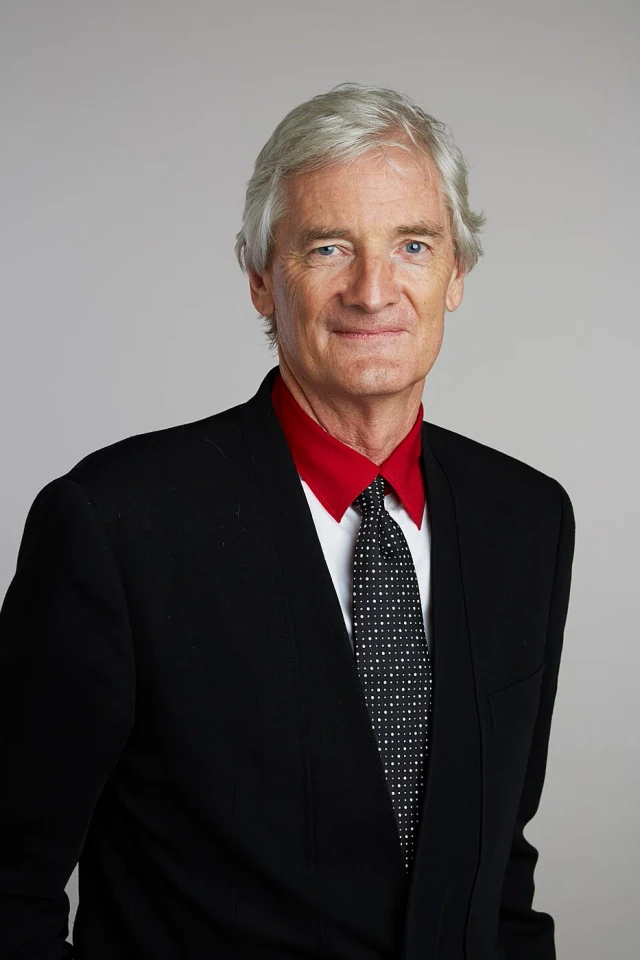
James Dyson
Dyson
James Dyson's career connects design education, sustained prototyping and the work of building a company, with engineering education forming another strand.
Technology
Michael Dell
Dell Technologies
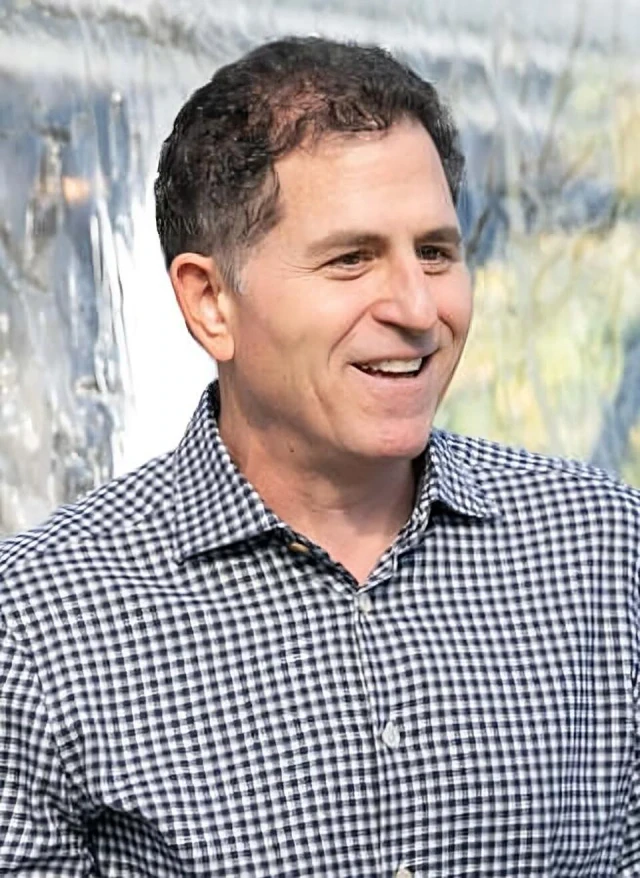
Michael Dell's career connects a direct-to-customer computer business with the development of a broader technology company and the foundation he established with Susan Dell.
Technology
Steve Jobs
Apple · NeXT · Pixar
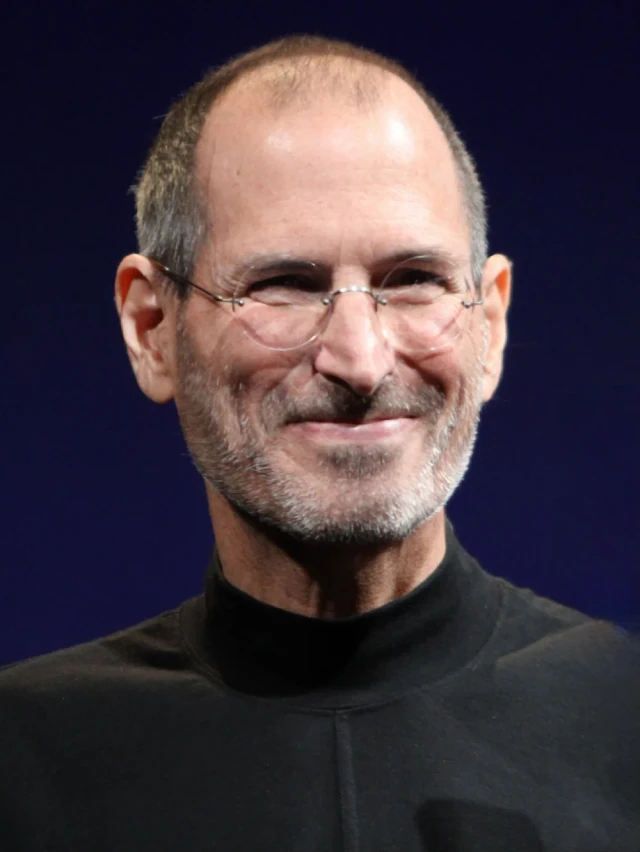
Steve Jobs' biography follows company creation, a period developing other ventures and a return to Apple, with product presentation central to his public identity.