
James Dyson
BUSINESS ASSOCIATION
Dyson
Explore Dyson: company profileAn inventor and product-company founder whose experimental approach developed from practical equipment into bagless vacuum cleaners and a wider range of engineered products.
Developing ideas through practical experiments
James Dyson studied at the Royal College of Art before developing his work in product design and invention. Among his early projects was the Ballbarrow, which used a ball in place of a conventional wheelbarrow wheel. The idea reflects an interest in the mechanics of familiar equipment and in exploring how a change in design could alter its use.
His vacuum-cleaner work later explored cyclonic separation as a different way to maintain suction. Dyson's official account describes 5,127 prototypes over five years, recording the repeated development behind the product. The significance of that process lies in testing, adjusting and returning to a technical problem until the proposed mechanism could become part of a working machine.
The finished product and the development work tell different parts of the same story. A customer meets a machine intended to solve a familiar task, while the prototype account describes the experimentation behind it. Dyson's approach brings those perspectives together, making an everyday household product the result of an extended engineering investigation and a later commercial undertaking.
Building an organization around an invention
The DC01 became the first Dyson-branded vacuum cleaner in 1993, placing the bagless mechanism at the center of its identity. Bringing the design into customers' homes also required a company able to manufacture the product, distribute it and provide support. The invention and the business developed as connected parts of the same undertaking.
Dyson subsequently introduced products in areas including fans, air treatment and hair care. The official history presents this development through an engineering approach to everyday problems, and the company identifies James Dyson as founder and chairman. His profile therefore brings together the technical work of invention and the organizational work required to deliver a range of products.
Sources [1]
Supporting the next generation of engineering work
Established in 2002, the James Dyson Foundation supports engineering education, medical research and local communities. The James Dyson Award also appears in his educational history as a way of recognizing young inventors. These initiatives add support for future engineering work alongside the commercial products developed through the company.
Education gives experimentation a different purpose. A student project can be valuable through the investigation and learning it enables, while a customer product needs an operating business behind it. The connection between these settings is an interest in practical problem solving: developing an idea, testing it and making engineering an accessible part of everyday life.
Sources [3]
Exploring structures and mechanics at art school
In his Royal College of Art retrospective, Dyson describes a move from furniture toward interior design and a growing fascination with mechanics and structures. His final-year project was a fast, flat-hulled fibreglass landing craft, developed with industrial mentor Jeremy Fry. Prototype testing brought the work into practical experiments beyond the studio.
This background provides a wider context for the later vacuum cleaner. Boats, wheelbarrows and cleaning machines involve different mechanical questions, yet each offers an opportunity to observe a problem and test a proposed change. Dyson's best-known invention grew within a broader career of designing useful equipment, giving continuity to products that otherwise appear quite different.
Sources [2]
Taking a working design into the market
Dyson's own account separates developing cyclonic separation from the later challenge of selling a machine based on it. Manufacturing, the finished product design and a route to customers all needed to accompany the working mechanism. The 1993 DC01 brought these elements together under the Dyson name.
This is the entrepreneurial stage following the prototype story. Testing can show what an idea does, while a business makes it available to people and supports its use. Dyson's career combines these responsibilities, connecting sustained technical development with an organization able to supply the resulting design through a commercial product.
Sources [1]
Creating practical routes into engineering
The education material associated with Dyson includes the Foundation, the James Dyson Award and the Dyson Institute. These offer different settings for engineering development, from student inventions to study combined with work in an engineering environment. Together they give the educational strand of his career several concrete forms.
Each setting offers people a way to investigate, build and refine ideas. This connects the process behind Dyson's own products with opportunities for others to practice technical problem solving. The educational projects sit alongside the company's separate commercial responsibilities, supporting the development of future engineers through practical experience.
Sources [3]
A few turning points
Career milestones
The connection between a mechanism and an everyday experience
The Ballbarrow and the vacuum-cleaner work share an interest in the mechanics of familiar equipment. A wheelbarrow and a vacuum are recognizable products, so a change in their design can be assessed through ordinary use. Dyson's educational and company accounts place practical testing within that development. This gives the biography a distinctive center: the entrepreneurial idea begins with the way an object works, then moves through experiments toward a product that someone can use. The commercial company becomes part of the story when the mechanism needs a finished design, manufacture and a route to customers.
The landing-craft project described in the Royal College of Art account provides an earlier setting for that approach. A design developed with Jeremy Fry was tested beyond the studio, connecting a proposal with the conditions in which it would operate. The named mentor and the practical project make the educational background concrete. They show the relationship between study, another professional's guidance and experiments with a physical object. Dyson's later product history can be read alongside that beginning, with both sources emphasizing a connection between design thinking and the experience of testing what has been built.
Cyclonic separation then gives the vacuum-cleaner chapter its particular technical subject. The business history follows the work of using that mechanism in a consumer product. The DC01 is a documented milestone because it brought the idea into a Dyson-branded machine offered to customers. This connects invention with the wider responsibilities of a manufacturer. The customer experiences the complete product, including its design and use, while the organization has to support the work of producing and supplying it. Dyson's entrepreneurial association therefore spans the mechanism and the company built around its practical application.
Education alongside commercial engineering
The Foundation, Award and Institute provide different settings for the educational chapter. Supporting engineering education introduces younger people to the work of investigating and building. Recognizing an invention gives a student project a public reference point. Combining study with an engineering environment supplies another route through which a learner can encounter practical work. These initiatives share a subject while addressing it through different forms. The source material makes those forms identifiable within Dyson's broader biography, alongside the products and commercial organization most familiar to customers.
This educational strand also connects with the earlier account of practical mentorship and experimentation. Dyson's own development included learning through projects and through work with another professional. The later initiatives create additional settings in which other people can explore engineering. The biography can follow that continuity while keeping each institution and programme distinct. An award, a foundation and an institute have their own activities and audiences. Together, they broaden the account from the development of consumer products into a sustained public association with the education of people who may create future ones.
Across the career, design, testing and organization remain connected. A prototype explores a possibility; a finished product places it in everyday use; a company supports its manufacture and delivery. The educational initiatives add opportunities for other people to investigate similar questions. This sequence gives the profile a practical structure grounded in the linked company and university accounts.
The named projects keep the inventor's biography connected to objects, experiments and institutions that readers can examine through the original accounts.
The evidence behind the account
Sources & further reading
The linked source material was checked on October 13, 2026. Roles and business relationships may change. Source numbers refer to the sections above.
- DysonJames Dyson — founder biography
- Royal College of ArtJames Dyson
- DysonDoing more with less — Dyson education and sustainability history
IN PICTURES THE PHOTO ARCHIVE
More of James Dyson.
8 photographs
A closer look, beyond the biography.
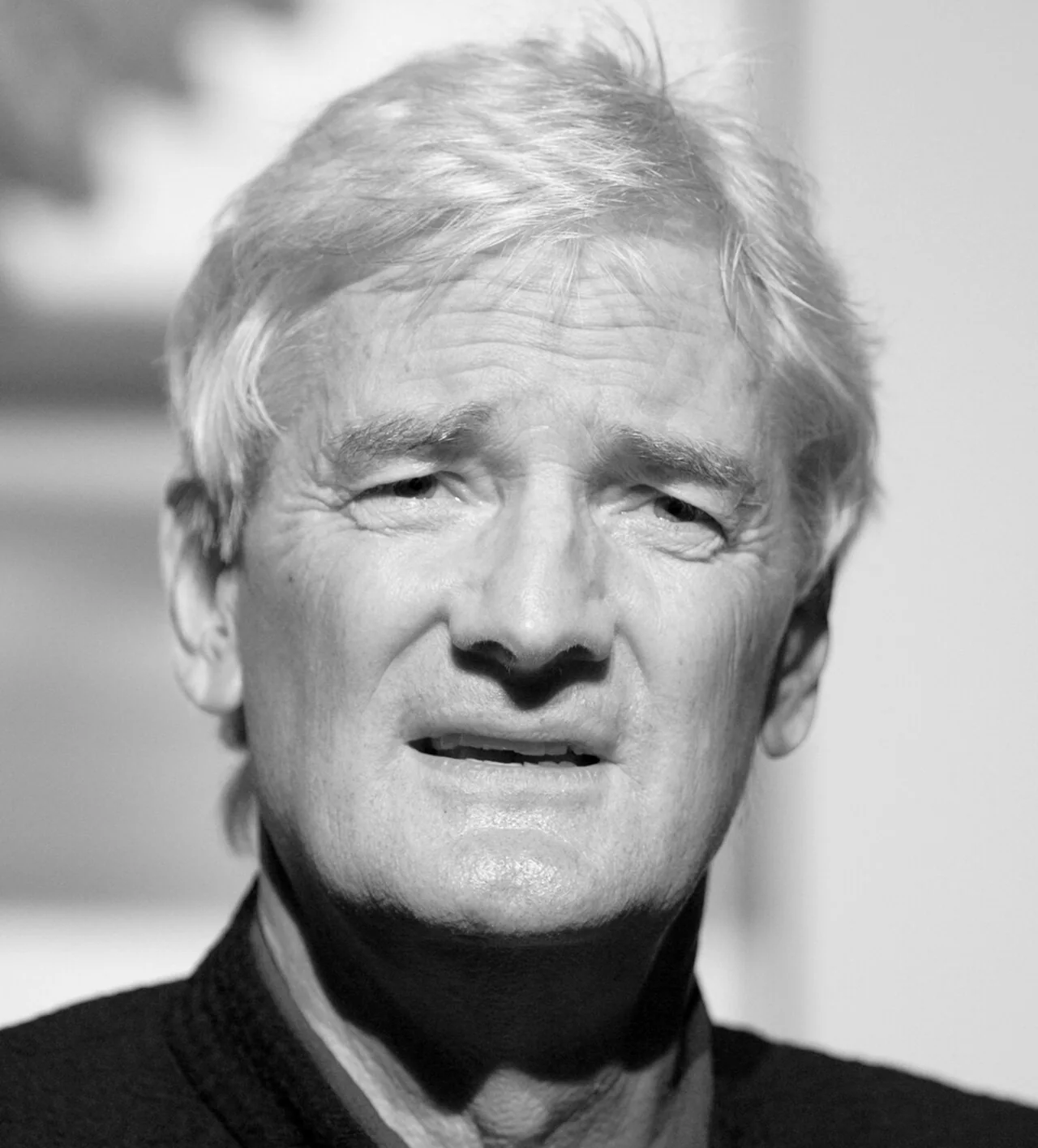
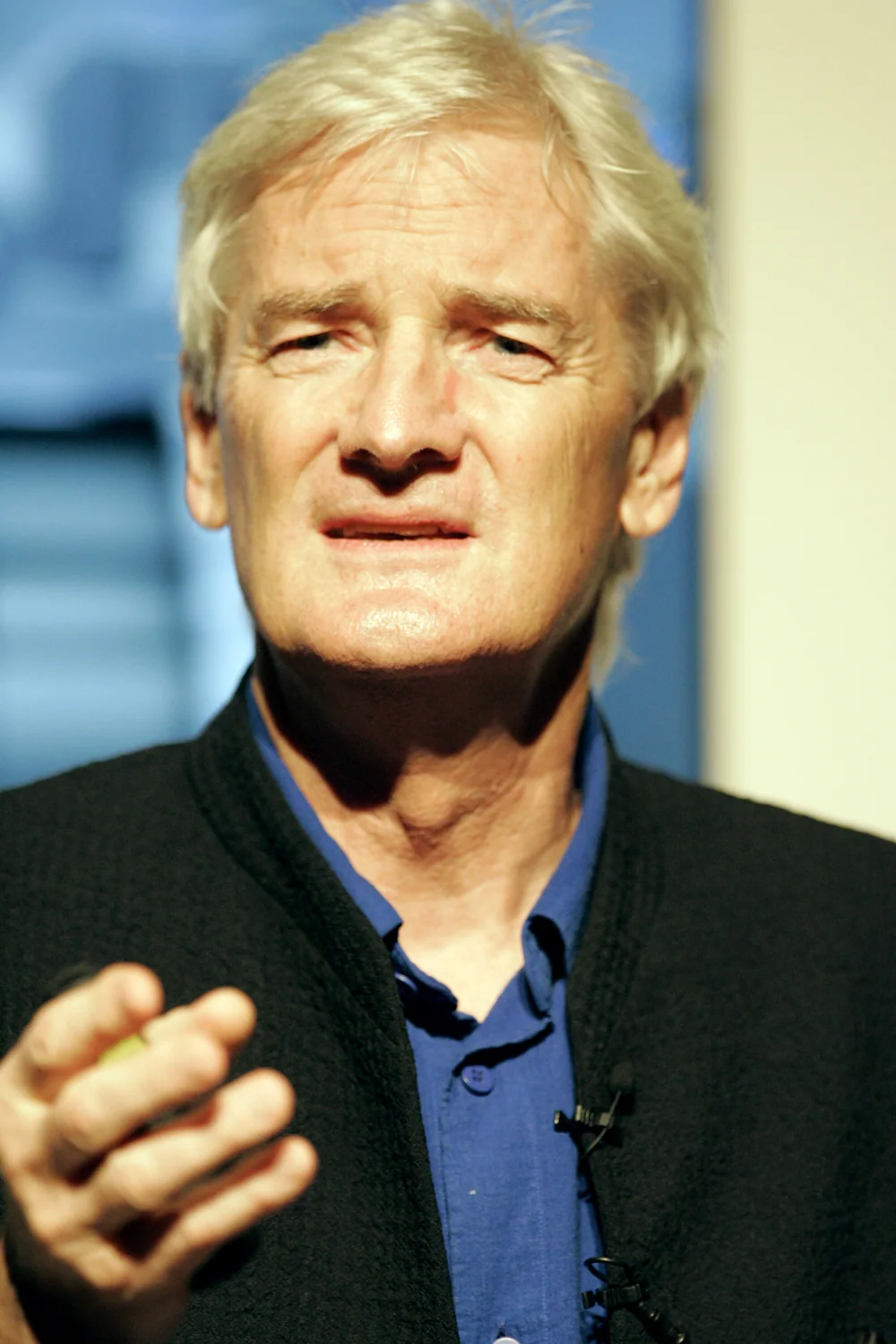
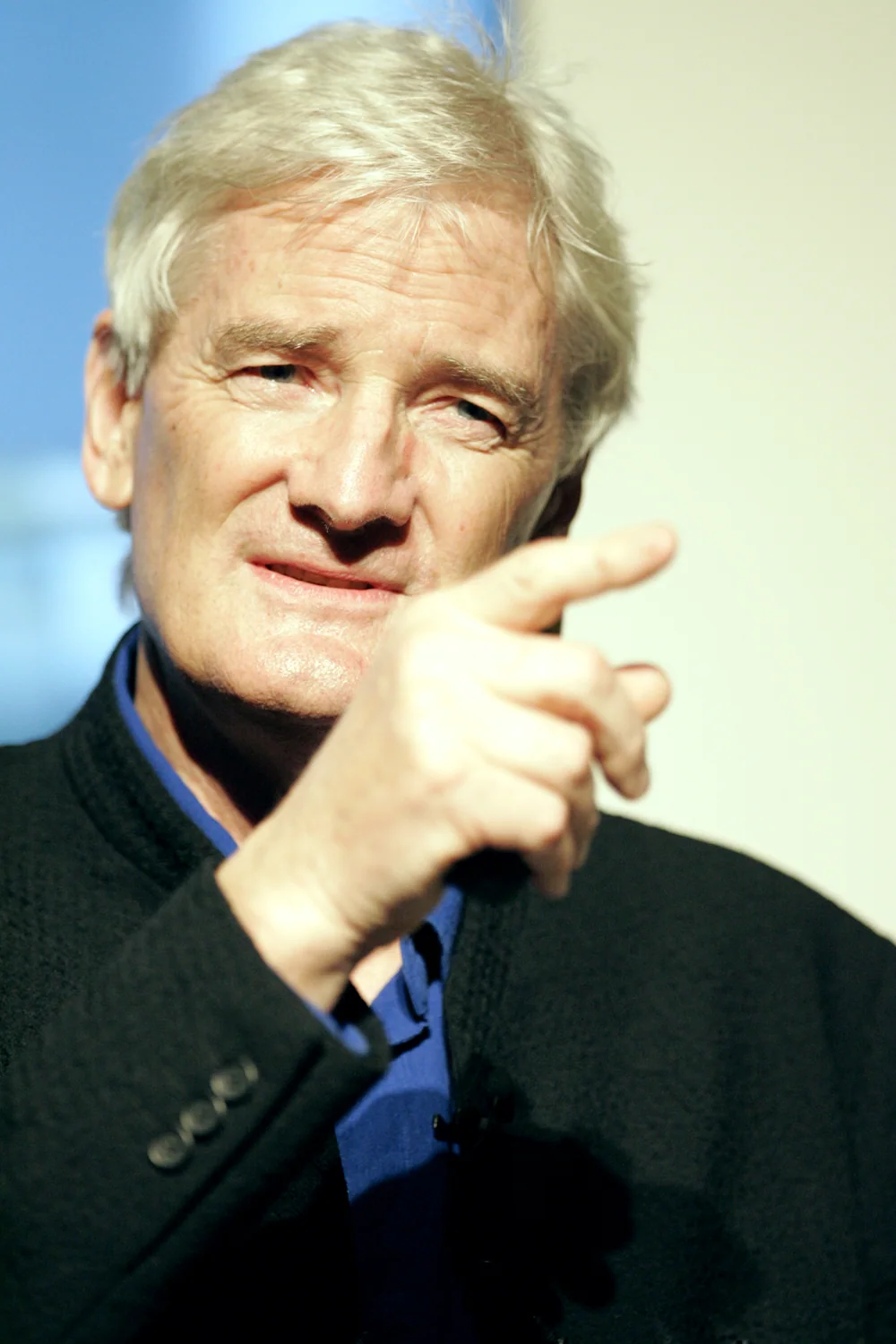
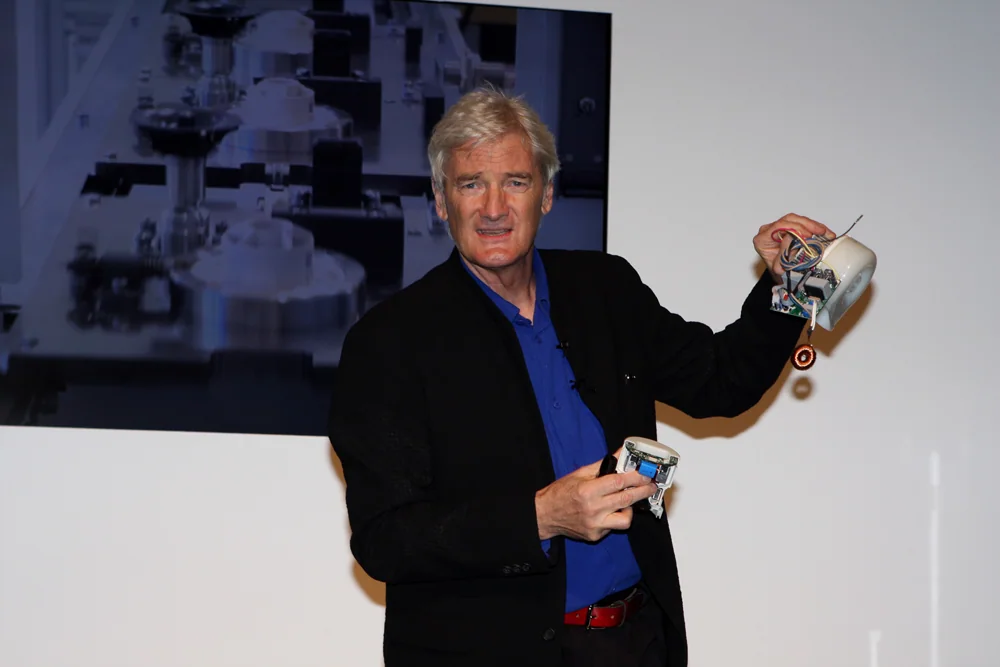
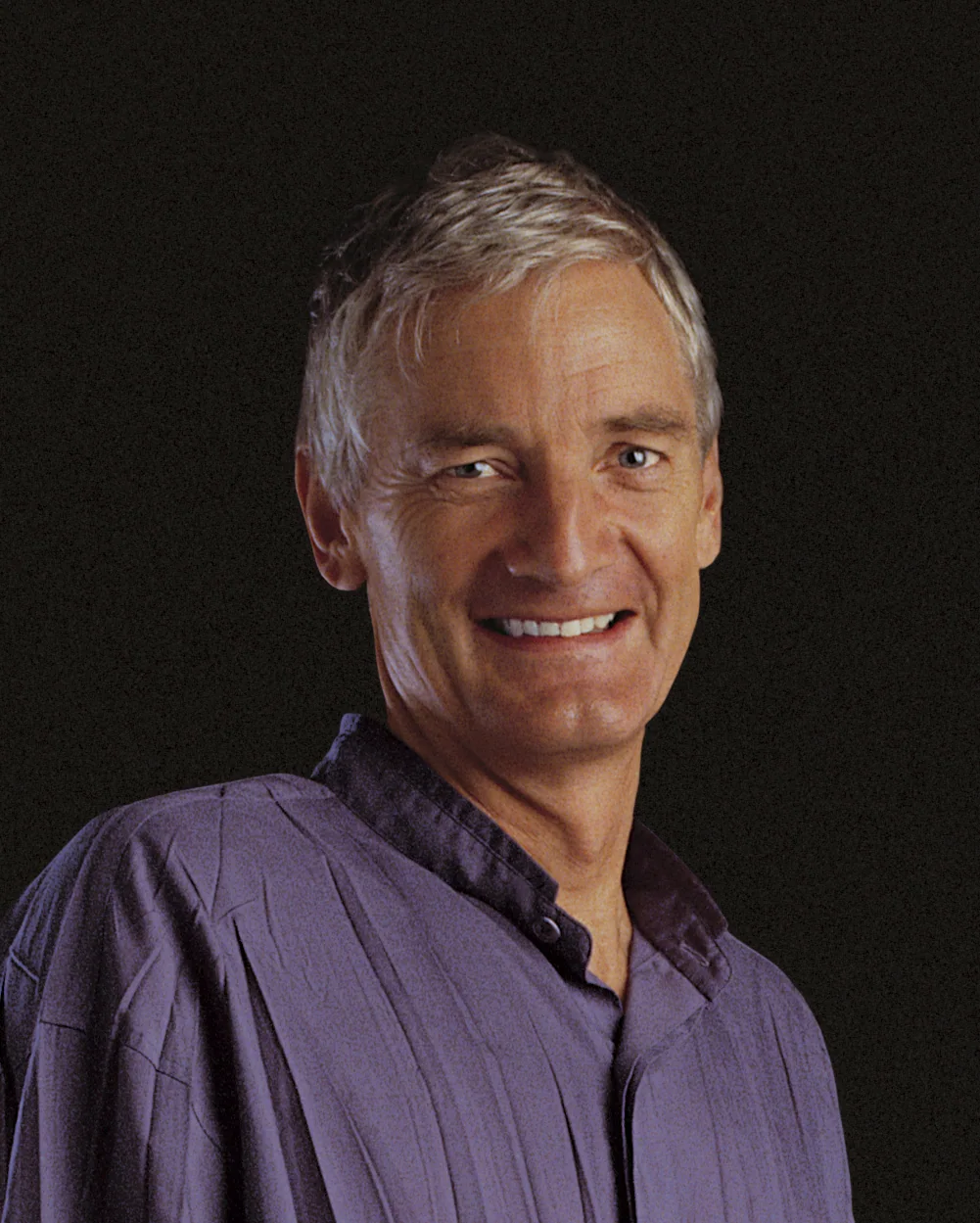


.jpg)
.jpg)
.jpg)
.jpg)

CONNECTED BY FIELD
Other people.
Shared territory.
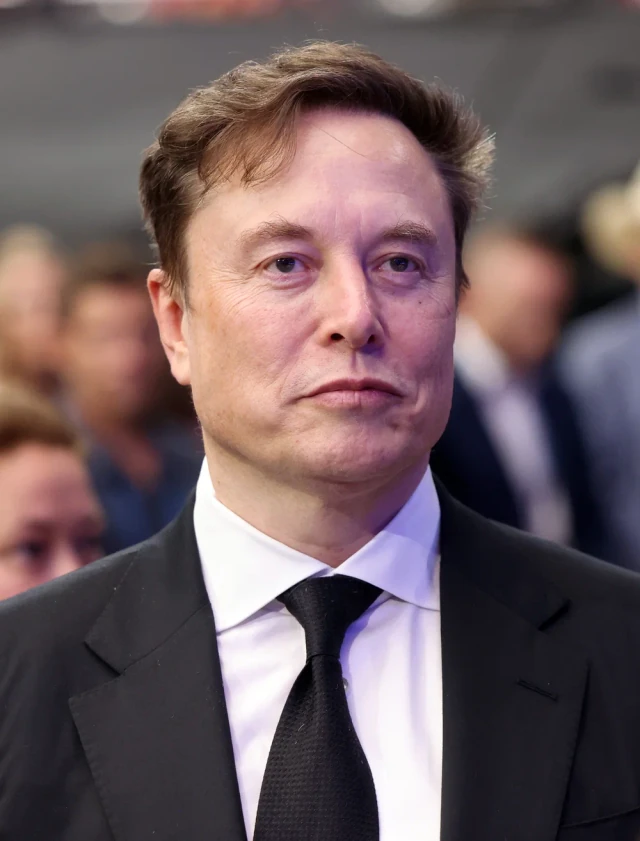
Technology
Elon Musk
SpaceX · Tesla
Elon Musk's career brings together software ventures and large engineering businesses, with distinct founding, investment and leadership chapters.
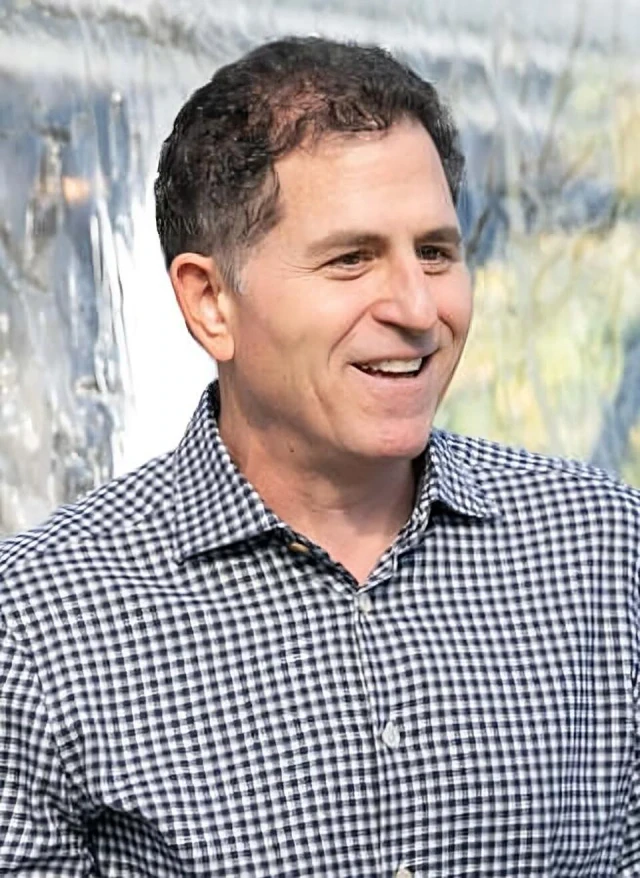
Technology
Michael Dell
Dell Technologies
Michael Dell's career connects a direct-to-customer computer business with the development of a broader technology company and the foundation he established with Susan Dell.

Technology
Steve Jobs
Apple · NeXT · Pixar
Steve Jobs' biography follows company creation, a period developing other ventures and a return to Apple, with product presentation central to his public identity.