
Whitney Wolfe Herd
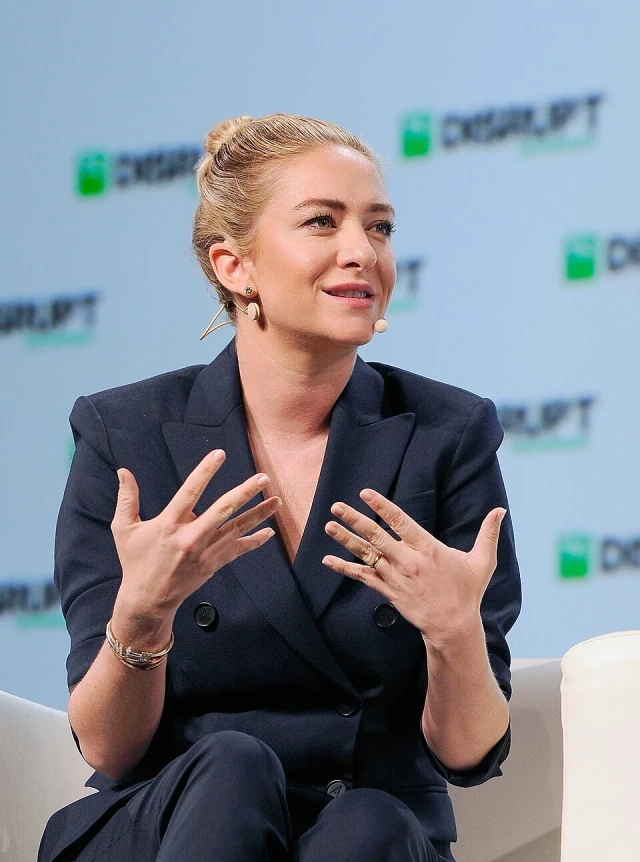
BUSINESS ASSOCIATION
Bumble
Explore Bumble: company profileBumble's founder whose marketing background and interest in how people connect became the foundation for a consumer technology business and evolving executive responsibilities.
Bringing experience with consumers into a new app
Whitney Wolfe Herd founded Bumble in 2014 after working on Tinder. Bumble's biography identifies her as a Tinder co-founder and vice president of marketing from May 2012 to April 2014. That experience supplied knowledge of how a dating service is introduced to people, giving the next venture a practical consumer-brand background.
She graduated from Southern Methodist University in international studies. Her later career joined the understanding of users and communication with responsibilities inside a technology company. Bumble's founding story therefore includes marketing experience and leadership alongside the product idea through which many people first encountered the business.
Sources [1]
Designing a different starting point for a conversation
In a 2020 public letter, Wolfe Herd described the original Bumble idea through the dating experiences of women around her. She considered expectations about men initiating contact and the greater agency women were gaining in other parts of life. The app's early dating model placed women sending the first message at the center of the experience.
This gave the brand position a practical expression through a product choice. Her letter explains the aim in her own terms: changing a social convention through the structure of an app. It also describes friendship and professional-networking developments, extending the interest in introductions and connection beyond the original dating setting.
The initial rule also made the intended experience visible to users. A brand message could be expressed through the action available at the start of a conversation, giving the wider idea a concrete place within the app. This connection between social purpose and product behaviour provides a practical thread through Wolfe Herd's account of why she created Bumble.
Sources [3]
Returning to executive leadership
Wolfe Herd served as Bumble Inc.'s CEO from January 2020 until January 2024, then became executive chair. In January 2025, the company announced she would succeed Lidiane Jones as chief executive in March. The source leadership biography confirms the March return, with Ann Mather becoming board chair in connection with the transition.
These milestones distinguish her executive responsibilities across different periods. Returning to the CEO position placed the founder in daily operating leadership as the company worked on customer experience and strategy. Her biography includes both the founding contribution and later decisions about the role through which she would participate in the organization's development.
Connecting communication and product development
International studies at Southern Methodist University and a marketing position at Tinder provide context for Wolfe Herd's route into technology. Understanding people, introducing a service and creating a recognizable consumer identity were part of her background before Bumble. This gave the venture a perspective rooted in communication and user experience.
The business also involved the social expectations surrounding a product: how could an app change the experience of meeting someone? Her career connects that question with product decisions. It illustrates the complementary roles of branding, communication and engineering within a technology company, with the founder's contribution belonging to a wider set of skills.
Sources [1]
Exploring connection beyond a romantic introduction
Wolfe Herd's 2020 letter presents friendship and professional networking as related developments from Bumble's original purpose. The brand could introduce another reason to begin a conversation, extending the question of connection beyond finding a date. These different uses added scope to the product story.
A person looking for friendship or a professional contact brings different expectations to an introduction. The founder described the activities through a broader mission, while each required its own reasons for people to participate. This gives her biography a wider consumer-product context alongside the original first-message idea.
Sources [3]
A few turning points
Career milestones
A consumer-brand background applied to a social experience
Wolfe Herd's marketing experience at Tinder supplies a practical chapter before the creation of Bumble. Introducing a dating service involves understanding the people who might use it and the expectations they bring to a conversation. Her international-studies background adds another part of the professional formation described in the company biography. The later founder role brings that consumer and communication perspective into a product with a particular social proposition. This sequence makes the entrepreneurial story more detailed than the launch of an app alone, connecting the product idea with experience in a related service.
The first-message model gave the proposition a practical form. A belief about the experience of women in dating was expressed through a choice within the product, affecting how a conversation began. Wolfe Herd's public letter explains that founding perspective in her own terms. It is useful as a source for the thinking she chose to communicate about the original idea. The biography joins that first-person account with the company's role record, giving the product chapter both a stated motivation and an identifiable founder association.
A product choice also gives a brand position something a user can experience. A person does not only read a statement about the service; they encounter a particular way to begin an interaction. This connection between identity and use is central to the documented Bumble story. It helps explain the relationship between Wolfe Herd's marketing background and the development of the company, with communication and product design addressing the same audience from different sides.
Broader forms of connection and a documented return to leadership
Friendship and professional networking introduce other reasons for an initial conversation. The public letter places those uses within the brand's broader development, showing how a founding interest in connection could reach beyond dating. The users' intentions differ across those settings. A professional introduction, a friendship and a romantic encounter each carries its own expectations, even when the product family shares a recognizable identity. The source gives the biography a wider product chapter while keeping the original dating model visible as the starting point.
The executive transitions supply a separate organizational sequence. The record identifies the period as chief executive, the move to executive chair and the later announced return to the CEO role. Those details are important because the founding relationship continues while formal responsibilities change. The leadership announcement also names the related board-chair change, placing the transition within the company's governance setting. The profile can therefore describe the individual role at different stages without assuming that a long founder association means the same executive appointment throughout.
Read together, the leadership biography, announcement and public letter give the account complementary perspectives. The biography identifies the professional foundation, the letter explains the product motivation and the announcement records a dated organizational change. Each contributes a specific part of the career. Their combination gives Wolfe Herd's profile a clear arc from experience in an existing consumer service into founding another, broadening its uses and taking different leadership responsibilities over time.
The recurring theme is how people are introduced to one another through a product. The founding idea gave that question a particular social perspective, while later uses and organizational changes created additional chapters. The named sources keep those developments attached to the company and to the first-person account through which the founder explained her purpose.
The connection between brand communication and product experience remains visible across these stages. Marketing introduces the service to people, while the design of an interaction gives the stated proposition a practical form. Wolfe Herd's earlier experience and later public letter supply different parts of that relationship. The corporate leadership record then places the product story within an organization whose formal roles have changed over time. Together, those sources keep the individual career understandable through the audience, the company and the documented responsibilities, rather than through the founding title alone. The original product choice remains a clear reference throughout that sequence, connecting the brand's stated perspective with an interaction people could experience while the later corporate record tracks changes in formal leadership.
The evidence behind the account
Sources & further reading
The linked source material was checked on October 13, 2026. Roles and business relationships may change. Source numbers refer to the sections above.
- BumbleWhitney Wolfe Herd: official leadership biography
- BumbleBumble announces leadership transition
- BumbleA letter from Whitney Wolfe Herd
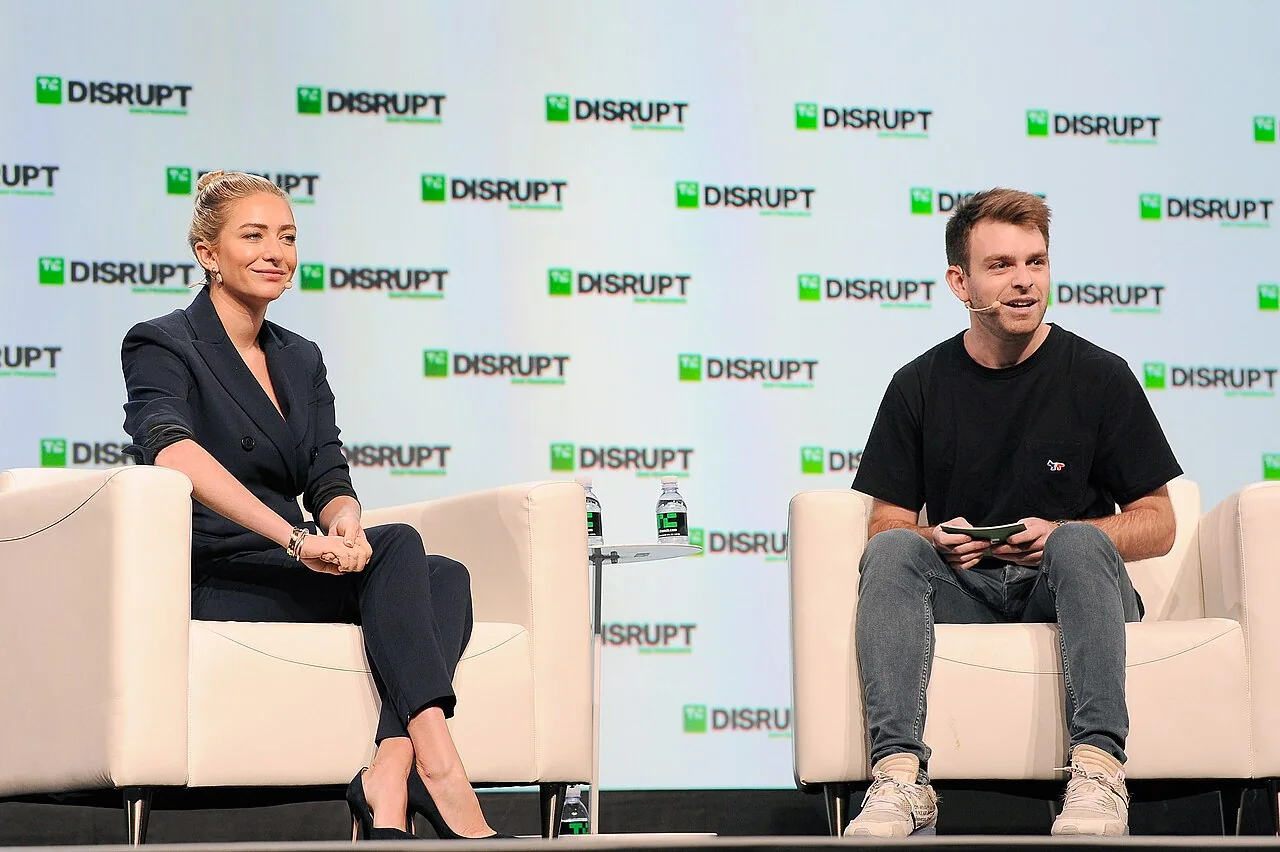
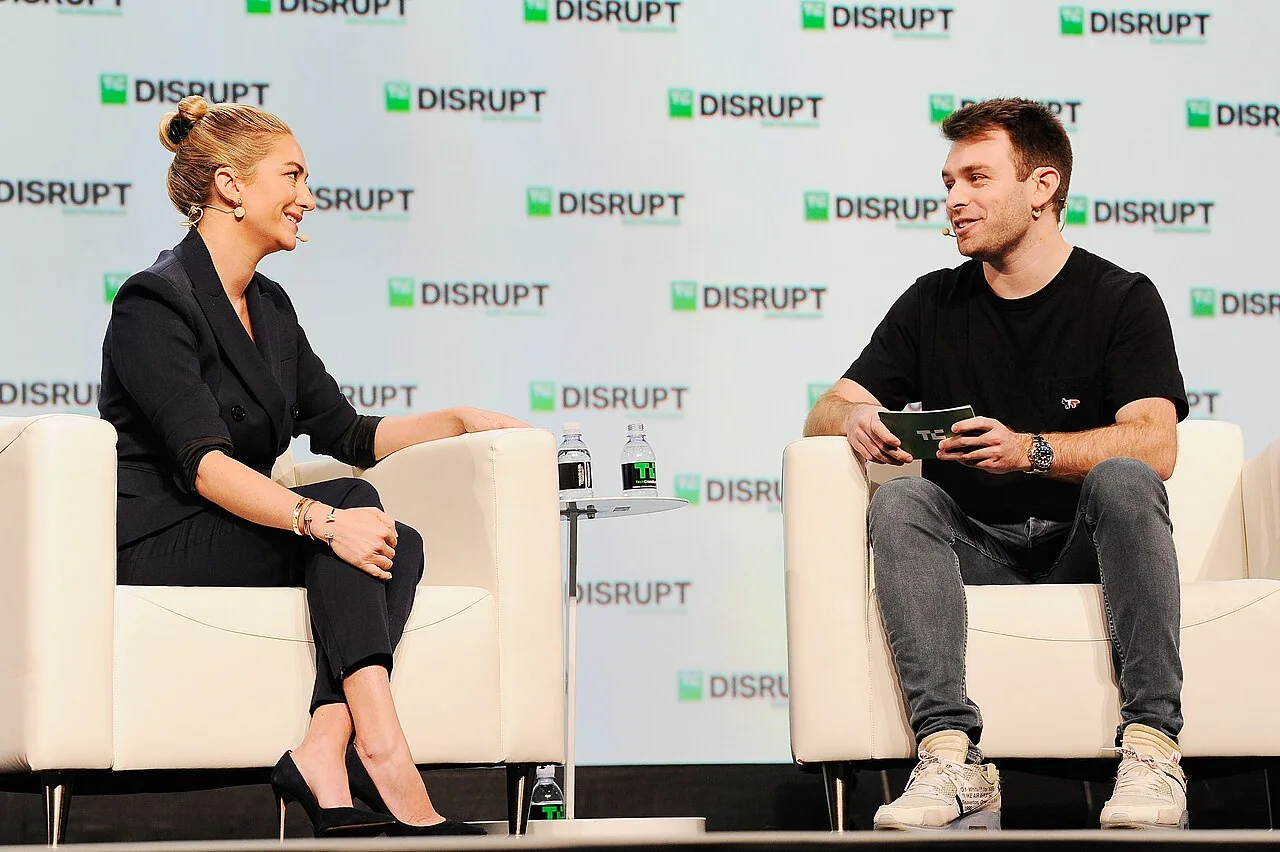
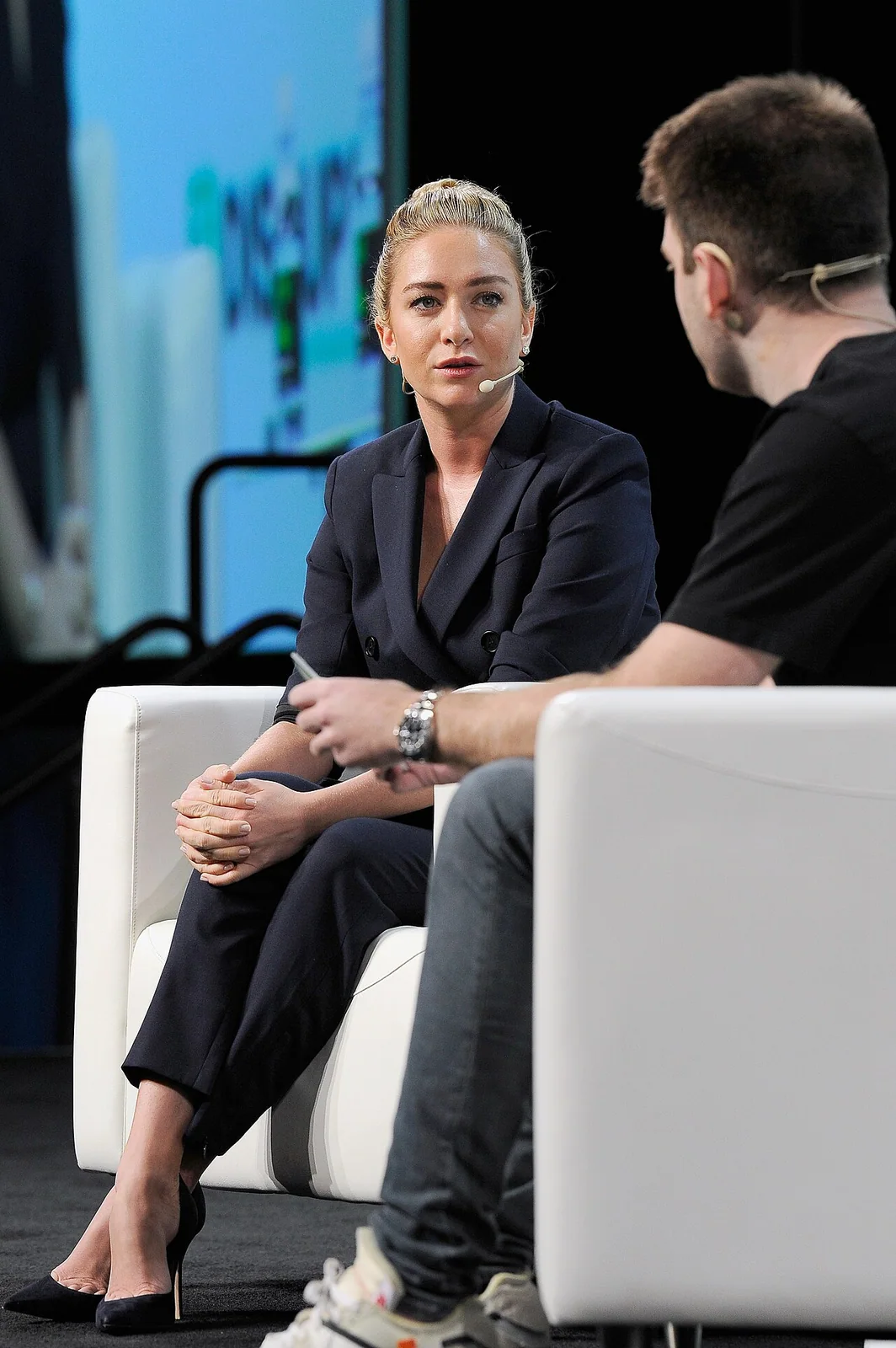
IN PICTURES THE PHOTO ARCHIVE
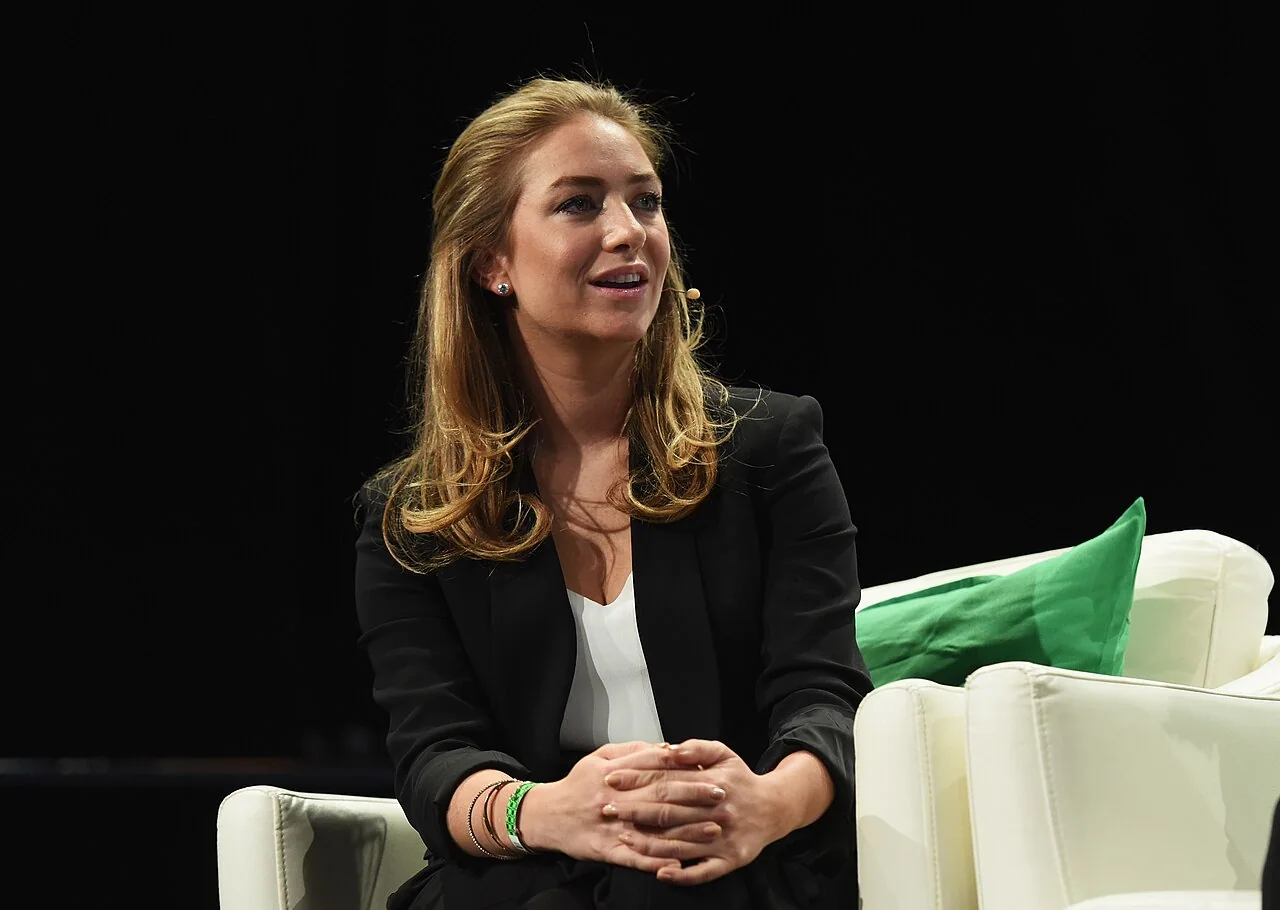
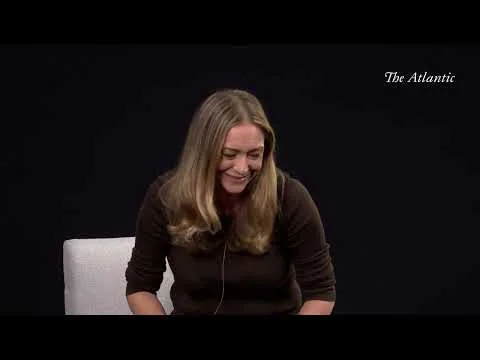
More of Whitney Wolfe Herd.
8 photographs
A closer look, beyond the biography.



.jpg)
.jpg)
.jpg)
.jpg)
.jpg)
CONNECTED BY FIELD
Other people.
Shared territory.

Technology
Ali Abdaal
Voicepal
From Cambridge medical student to a publishing and software business, Ali Abdaal has built a career around making learning and creative work more approachable.

Technology
Anne Boden
Starling Bank
Anne Boden's founder story connects computing, banking operations and the creation of Starling, followed by a transition from its founding chief executive role.

Digital Business
Brian Chesky
Airbnb
Brian Chesky brought a design background into the development of Airbnb, from its first guests in San Francisco to a wider accommodation marketplace.