
Anne Boden

BUSINESS ASSOCIATION
Starling Bank
Explore Starling Bank: company profileA banking and technology professional who founded Starling Bank, drawing on decades of institutional experience to develop a mobile banking business.
Connecting a computing education with banking
Anne Boden's professional foundations combine science, computing and banking. She graduated from Swansea University in 1981 after studying chemistry and computer science, then entered Lloyds Bank as a graduate trainee. In her university interview, she recalls work in the computer department and efforts to improve the way cheques were organized within the bank.
This experience developed into a substantial career in the operations and technology of financial institutions. When Boden later decided to establish a bank, she brought knowledge of the systems and organizational structures already operating within the industry. Her entrepreneurial chapter grew from that institutional background and an interest in creating a different starting point for banking.
Sources [1]
Building Starling around a mobile experience
Boden founded Starling Bank in 2014 with mobile banking at the center of its approach. Both the customer experience and the infrastructure behind it were developed around that model. The company subsequently moved beyond its initial personal-account offering into business banking and banking technology, extending the scope of the institution she had established.
As its founding chief executive, she led the early work of developing the bank. That undertaking brought an app together with the systems, people and organization required to operate accounts within a regulated institution. Her story highlights the connection between a service customers can see and the operational work that supports it, reflecting the technology and banking interests running through her career.
Making room for the bank's next leadership chapter
In May 2023, Boden announced that she would leave the chief executive position on June 30, 2023. UKTN reported the planned transition, and her final CEO letter set out her own explanation of the decision. John Mountain was named interim chief executive. This profile accordingly describes Boden as Starling's founder and former CEO.
The transition adds a further leadership decision to her biography. Establishing an institution and directing its daily operations are closely connected responsibilities, with room for those roles to develop over time. Boden's career spans work within established banks, the creation of Starling and the decision to hand on its executive leadership as the business continued its own development.
Finding a practical home for technical interests
Boden's interview with Swansea recalls considering computing opportunities in several industries. These included computer analysis of paint in Zurich, defence-related work and GCHQ. At her mother's suggestion, she also applied to Lloyds and received an offer for a graduate trainee role, opening a route into financial services.
She found the bank's computer department enjoyable and described the work as coming naturally. It provided a practical environment where technical questions met organizational needs. The everyday processes of banking became a place to develop her interests, laying foundations that preceded the later ambition to create a bank built around a mobile experience.
Sources [1]
Applying an algorithm to everyday operations
One example in Boden's university interview links a bubble-sort algorithm learned at Swansea with cheque sorting inside a bank. Exploring that application connected her formal computing education with an institution's daily processes. It illustrates her interest in bringing technical understanding into the practical work carried out by colleagues.
The example also provides context for her founder career. Technology, customer services and the people running an organization operate together, and Boden had experience with those relationships before establishing Starling. Her later business brought that operational perspective into the development of a new banking institution and its underlying systems.
Sources [1]
From establishing an institution to handing on responsibility
Her final CEO letter offers a first-person account of stepping aside after the years spent establishing and developing Starling. The decision changed her day-to-day responsibility while retaining her place in the bank's founding story. It is a leadership chapter within a longer career built around the relationship between banking and technology.
That arc begins with entering the industry, continues through experience in larger organizations and reaches the creation of a bank with a distinct operating approach. The executive transition shows another stage in that development. Starling's ongoing work belongs to its continuing leadership, while Boden's role as founder remains part of the institution's background.
Sources [2]
A few turning points
Career milestones
The continuity between computing and institution building
Boden's early computing experience offers a useful way to understand the later banking story. Sorting cheques sounds like a small operational task, but it places a technical idea inside a system used by an established institution. The work connects an algorithm with the needs of colleagues and customers, showing how computing can improve an existing process. In her university interview, Boden describes this connection through an example drawn from the beginning of her career. It provides a tangible foundation for the interest in systems that would remain relevant when she moved from working within banks to establishing one.
A mobile banking service also joins a visible experience to an extensive organization behind it. A customer encounters screens, account information and everyday transactions; the institution must support those interactions through its own technology and operations. Starling's founding story therefore involves the relationship between product design and the wider work of running a bank. Boden brought an established banking career to that undertaking. The biography is especially distinctive because its technical and financial chapters reinforce one another, giving her experience of both the processes inside institutions and the possibilities of a different customer-facing model.
Her education in chemistry and computer science adds another dimension to that background. It places analytical and technical study before the professional banking chapter, rather than presenting entrepreneurship as the starting point of the story. The graduate role at Lloyds then supplied a practical environment in which those interests could develop. This sequence explains the accumulation of experience behind the decision to become a founder. The bank she established emerged after years of professional work, with knowledge of existing institutions forming part of the foundation for creating a new one.
A founder's role across the life of an organization
Establishing a bank and leading its daily operations create connected but distinct responsibilities. The founder supplies the original initiative and helps define the institution's approach. The chief executive holds an ongoing operating role as the organization develops. Boden's career includes both responsibilities, followed by the publicly announced decision to leave the executive position. Her final CEO letter gives readers a direct source for how she explained that transition. The dated announcement also helps keep the biography accurate: founder remains part of her history, while former CEO describes the executive chapter after the stated departure.
The expansion from personal accounts into business banking and banking technology shows how the institution's scope developed beyond its initial offering. These activities address different users and needs, while remaining connected to the infrastructure and operating knowledge of a bank. For Boden's biography, they place the founding model within a longer organizational story. A company can begin around a particular customer experience and later apply its capabilities in additional settings. The source record allows that development to be described without reducing the entire institution to its first app or treating a founder's initial role as permanently unchanged.
Taken together, the university account, Starling's own material and the reporting on the leadership transition provide complementary views. One explains Boden's professional foundations, another records her perspective on the institution she established, and the dated report documents a change in responsibility. This combination gives the profile a chronological shape: technical study, a career within banking, the creation of Starling and a later leadership handover. The continuity is her sustained engagement with the way technology and organization can shape the experience of a financial service.
A documented professional sequence
The dated university and company accounts make it possible to follow Boden's professional sequence without assuming that every stage was inevitable. Her technical education, entry into banking and eventual founding decision each belong to a particular setting. Read together, they document a career in which experience accumulated before the entrepreneurial chapter began.
Sources [1]
The evidence behind the account
Sources & further reading
The linked source material was checked on October 13, 2026. Roles and business relationships may change. Source numbers refer to the sections above.
- Swansea UniversityAnne Boden
- Starling BankLetter from Anne Boden
- UKTNStarling Bank’s Anne Boden to step down as CEO
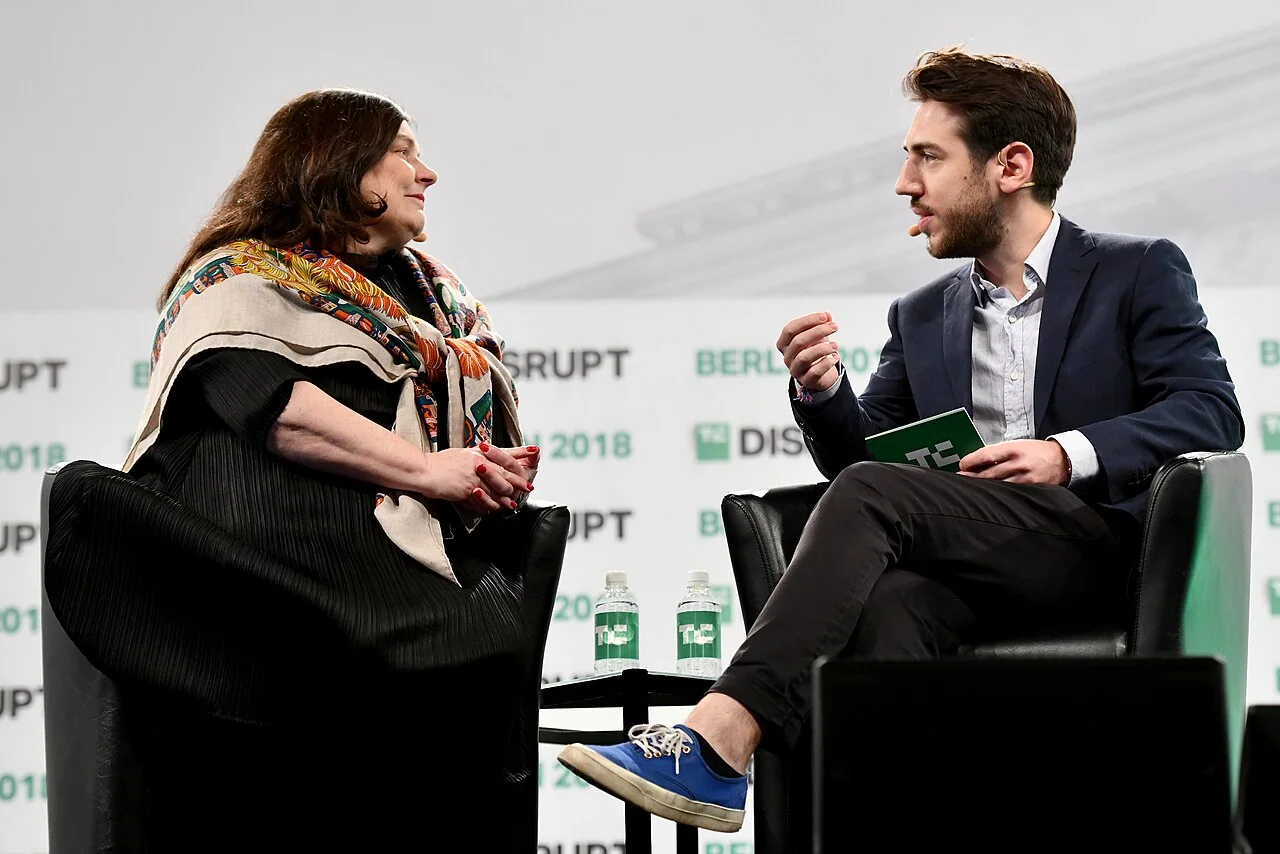
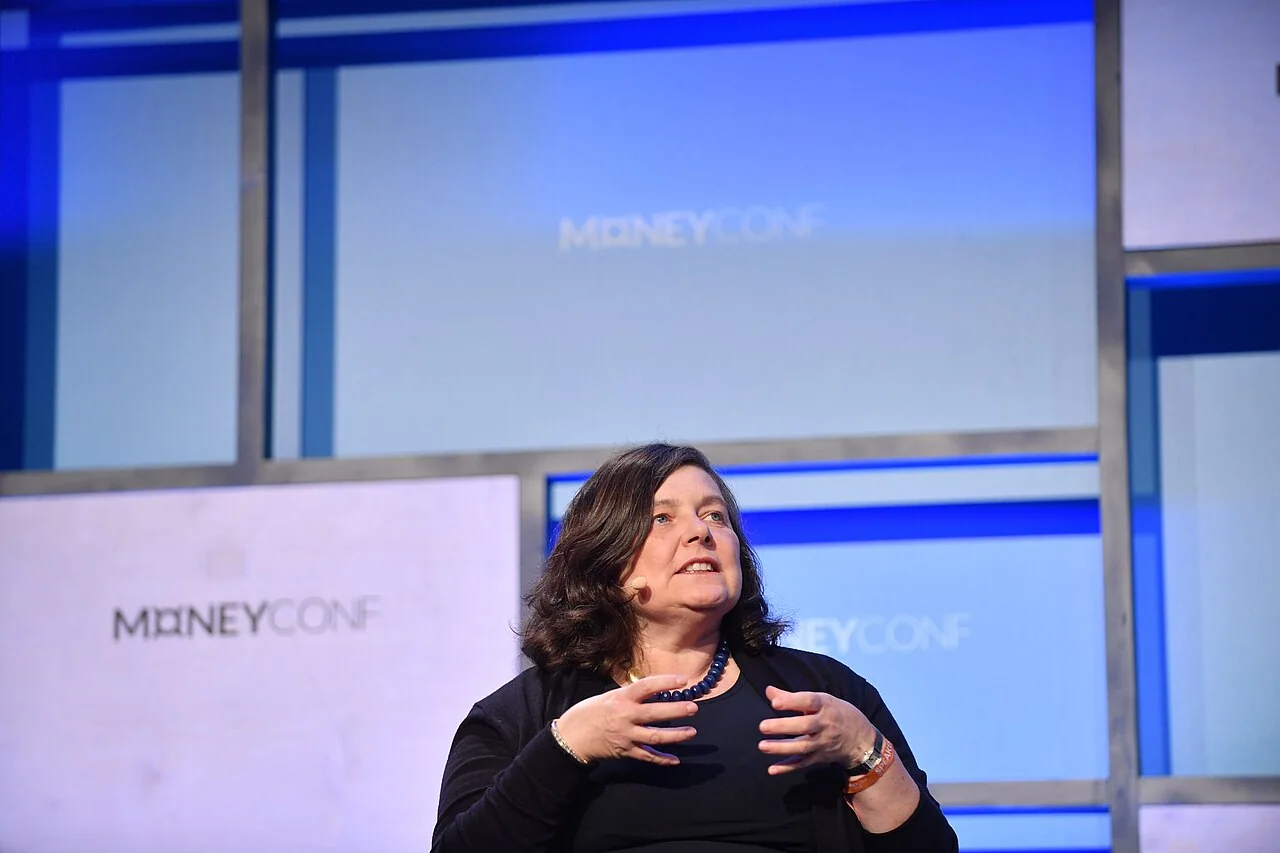
IN PICTURES THE PHOTO ARCHIVE
More of Anne Boden.
8 photographs
A closer look, beyond the biography.







.jpg)
.jpg)
.jpg)

.jpg)

.jpg)
CONNECTED BY FIELD
Other people.
Shared territory.

Technology
John Collison
Stripe
John Collison connects the practical beginnings of Stripe with a wider interest in how people develop companies, share knowledge and support new ideas.

Digital Business
Mark Cuban
Mark Cuban Companies · Cost Plus Drugs
Mark Cuban's business history spans MicroSolutions, Broadcast.com and the Mavericks, with later ventures and public work introducing additional industries and operating models.

Technology
Patrick Collison
Stripe · Arc Institute
Patrick Collison connects a practical online-payments problem with a broader infrastructure business and initiatives exploring how ideas, companies and scientific institutions develop.