
Brian Chesky

BUSINESS ASSOCIATION
Airbnb
Explore Airbnb: company profileAn industrial designer and Airbnb co-founder whose approach to entrepreneurship connects a digital marketplace with the experience of hosts and travellers.
Bringing a designer's perspective to entrepreneurship
Brian Chesky's preparation for company building began in design. He graduated from the Rhode Island School of Design in 2004 with a degree in industrial design, developing a perspective he later brought to Airbnb. A new accommodation service needed to help travellers understand a transaction and feel comfortable arranging a stay with a host they had never met.
RISD connects that education with Chesky's interest in creative problem solving. His return as the school's commencement speaker in 2017 offered another generation of designers a view of that career path. The link between creative training and operating a technology business gives his founder story its distinctive starting point, with usability and the human experience forming part of the wider commercial task.
Sources [1]
Welcoming the first guests in San Francisco
Airbnb traces its beginnings to October 2007, when Chesky and Joe Gebbia welcomed three guests into their San Francisco home. They named the service Airbed & Breakfast. Nathan Blecharczyk subsequently joined the founding team. This small first offering established the relationship at the heart of the idea: a host with available accommodation and a guest looking for somewhere to stay.
The service officially launched in March 2008, followed by a website launch in August. Its early proposition connected underused household space with travellers interested in an alternative to a conventional hotel. According to the company history, this first apartment developed into a marketplace linking hosts and guests in many countries. The shorter Airbnb name followed in 2009, as the original idea continued to evolve.
Sources [2]
Making the experience part of company leadership
Airbnb's leadership biography identifies Chesky as co-founder and chief executive, responsible for the company's vision and strategy. It gives particular attention to the experience of hosts and guests. In that account, design belongs within the work of directing the business, alongside the visual and practical details of its website and app.
The company went public in December 2020 after years of developing a marketplace that connects participants rather than owning all the accommodation offered. Chesky's career consequently brings together product design, hospitality and marketplace operations. Making the service understandable and welcoming, while supporting both sides of the exchange, is a recurring thread through those different responsibilities.
A host and a guest arrive with different needs, yet their experiences meet within the same service. This gives the marketplace a practical design challenge on both sides. Chesky's emphasis on experience connects those participants with the company's operating approach.
Connecting a screen with a real-world stay
Industrial design provided Chesky with a way of thinking about how people encounter and use a product. His 2004 RISD graduation preceded a business involving both a digital service and the physical experience of staying in somebody's home. Airbnb's product therefore brings together interactions that take place on a screen and in the world beyond it.
A booking is one stage of that experience. Arrival, the accommodation itself and communication with a host also shape a stay. Chesky's background helps explain why these relationships occupy a central place in his entrepreneurial story. The founder's design perspective offers a connection between the interface used to arrange a visit and the visit a guest actually makes.
Sources [1]
Learning from early travel occasions
The Airbnb timeline records two bookings from a March 2008 launch during SXSW and 80 from a website launch around the Democratic National Convention later that year. These were specific early occasions when the founders tried to connect their accommodation idea with visitors looking for a place to stay. Each offered a practical setting for introducing the service.
These numbers describe the early launches, rather than the marketplace's later reach. They show demand being explored through actual travel needs, event by event. Chesky's work at that stage involved bringing an unfamiliar offering into use and learning how it could fit within a wider accommodation market.
Sources [2]
Extending the original accommodation idea
In March 2009, Airbed & Breakfast became Airbnb and expanded its offering to apartments, entire homes and holiday rentals. The company timeline records further product developments in 2010, including a mobile app and Instant Book. An international office in Germany followed in 2011, adding an organizational step to the service's development.
The hosted-room idea was becoming a broader accommodation marketplace, supported by new booking tools and an overseas presence. This progression brought repeated decisions about product scope and the work required to support it. Chesky's biography follows the relationship between an initial experience and the systems, people and organization needed as that experience reached new settings.
Sources [2]
A few turning points
Career milestones
A design perspective applied to a service business
Chesky's design education adds a distinctive foundation to the Airbnb story. Design involves the way people encounter and use a product, including the details that make an unfamiliar experience understandable. A service connecting guests with hosts depends heavily on those details. People need to understand what is offered, decide whether it suits their needs and know what to expect from the interaction. The RISD account places Chesky's educational background within that setting, while Airbnb's company material explains the business he helped establish. Together, they connect an individual professional foundation with a particular service model.
The host and the guest occupy different positions within that model. One offers a place to stay; the other searches for accommodation and makes a booking decision. The platform brings their activity into a shared environment, with information and communication helping connect the two. This relationship makes Airbnb's founding story different from that of a business selling its own stock of products. Chesky's entrepreneurial association concerns the creation and development of a service through which other people participate. The company's own description is the primary reference for how it presents that relationship and the community around it.
A marketplace also has to consider the experience on both sides of a transaction. The information useful to a guest is connected to the way a host presents a listing and prepares for a stay. Looking at those interactions gives practical meaning to the design background described in the biography. The visible interface is one part of the service, while the experience extends into communication and the actual accommodation. Chesky's public career joins that customer-facing consideration with the organizational responsibilities of helping lead the company built around it.
The founder's story within a broader organization
Airbnb's leadership biography provides a direct source for Chesky's relationship with the company. The wider company account supplies the context around that role, including the people participating as hosts and guests. These perspectives are complementary: one identifies the individual, while the other describes the organization and the service. Following them together keeps the biography grounded in a business with a defined operating model. It also acknowledges that a founder's visibility is only one part of a company whose service depends on many participants and on the work of its own teams.
The progression from an early hosting idea to an established organization creates a longer leadership chapter. A founder's initial problem can be specific and immediate, while a developing company must coordinate people, product decisions and continuing service expectations. Chesky's profile connects the original design and hospitality interests with that organizational setting. The linked material allows readers to follow the founding identity and the leadership association separately. Across both, the central subject remains the same: building a service that brings together people offering accommodation and people looking for a place to stay.
An educational connection that remains visible
RISD's decision to feature Chesky in its commencement material connects the later entrepreneur with the institution where his design background developed. It offers an additional public setting for that part of the biography. The educational source and Airbnb's leadership account together place the founder within both a professional formation and the company that became his principal business association.
Sources [1]
The evidence behind the account
Sources & further reading
The linked source material was checked on October 13, 2026. Roles and business relationships may change. Source numbers refer to the sections above.
- Rhode Island School of DesignBrian Chesky to Deliver Keynote Address at RISD Commencement 2017
- AirbnbAbout Airbnb
- AirbnbBrian Chesky — leadership biography
IN PICTURES THE PHOTO ARCHIVE
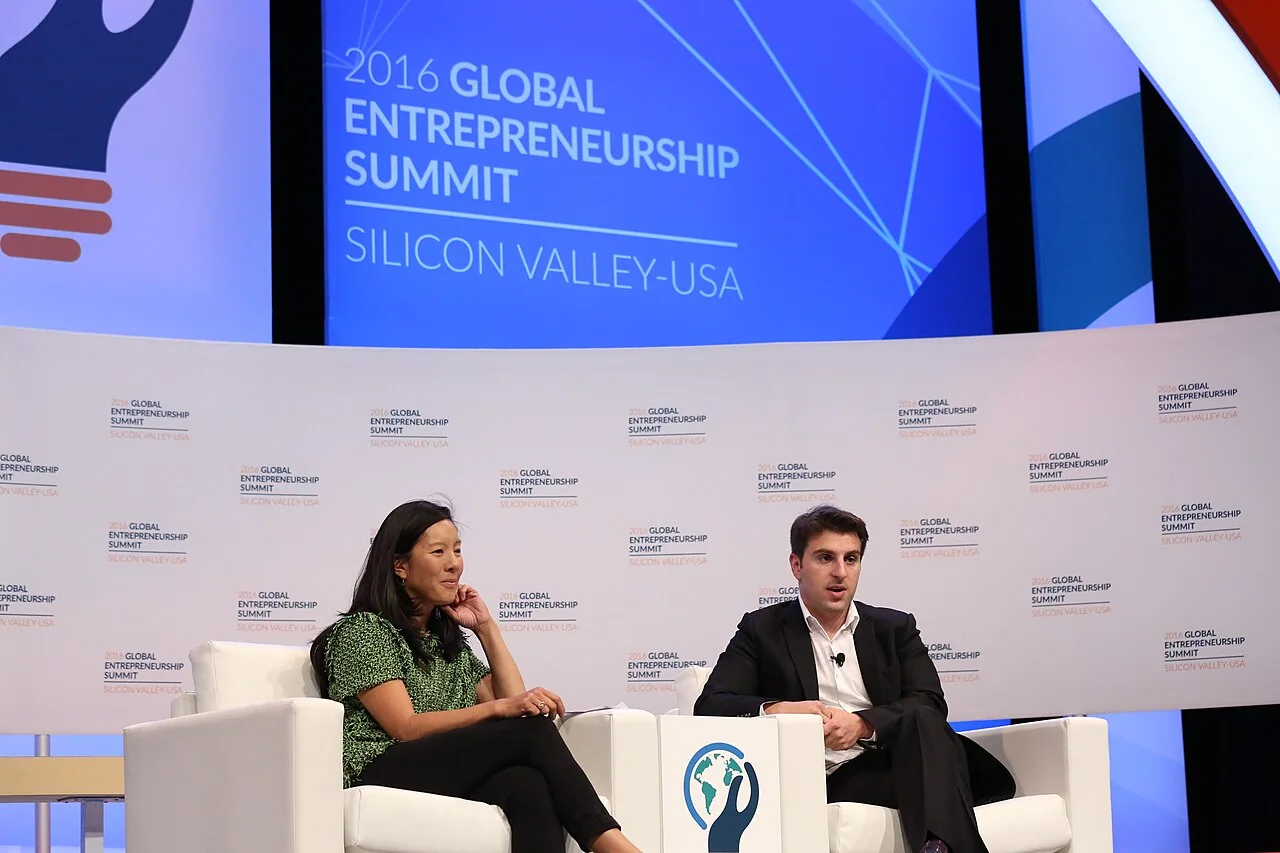
More of Brian Chesky.
8 photographs
A closer look, beyond the biography.
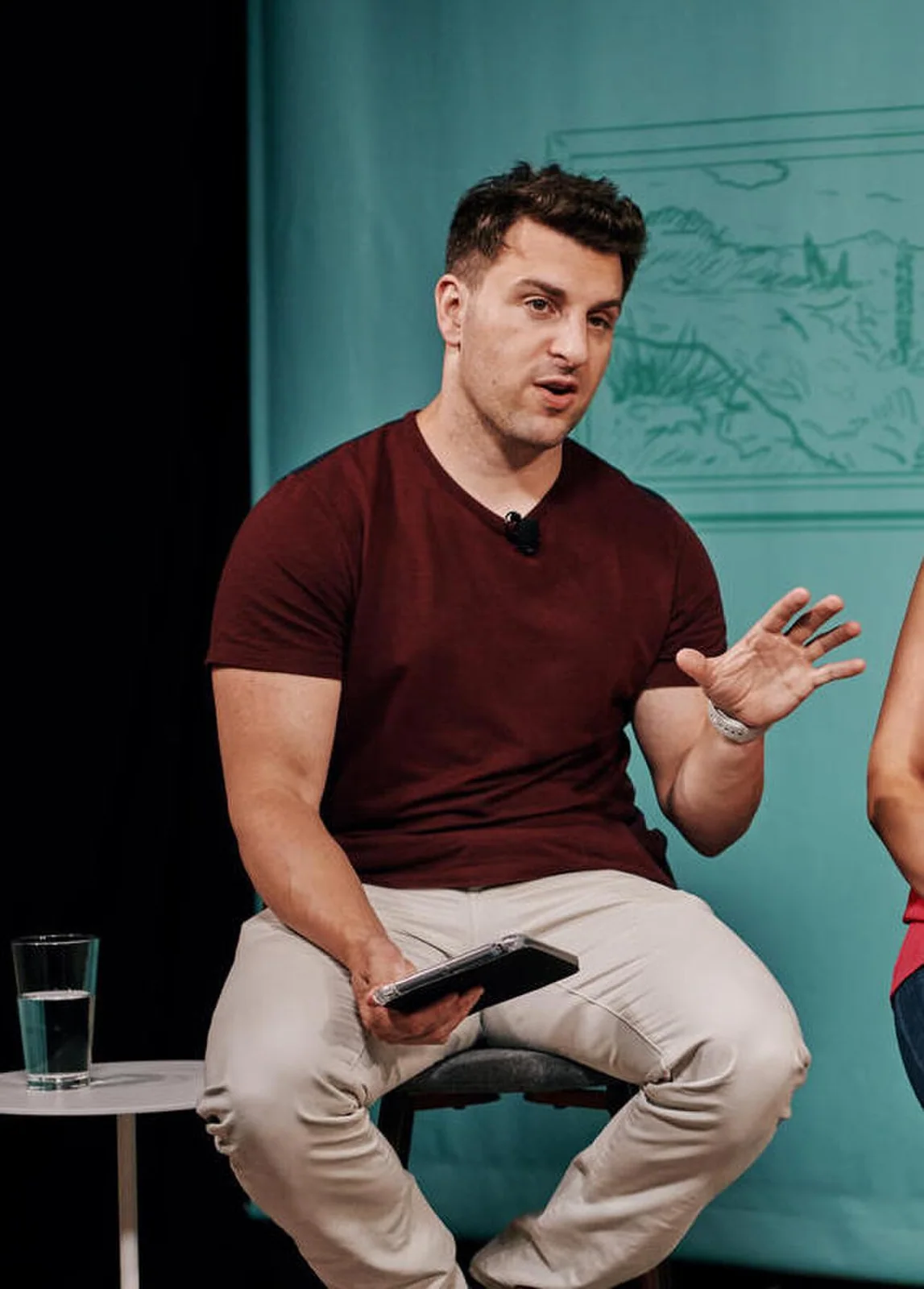


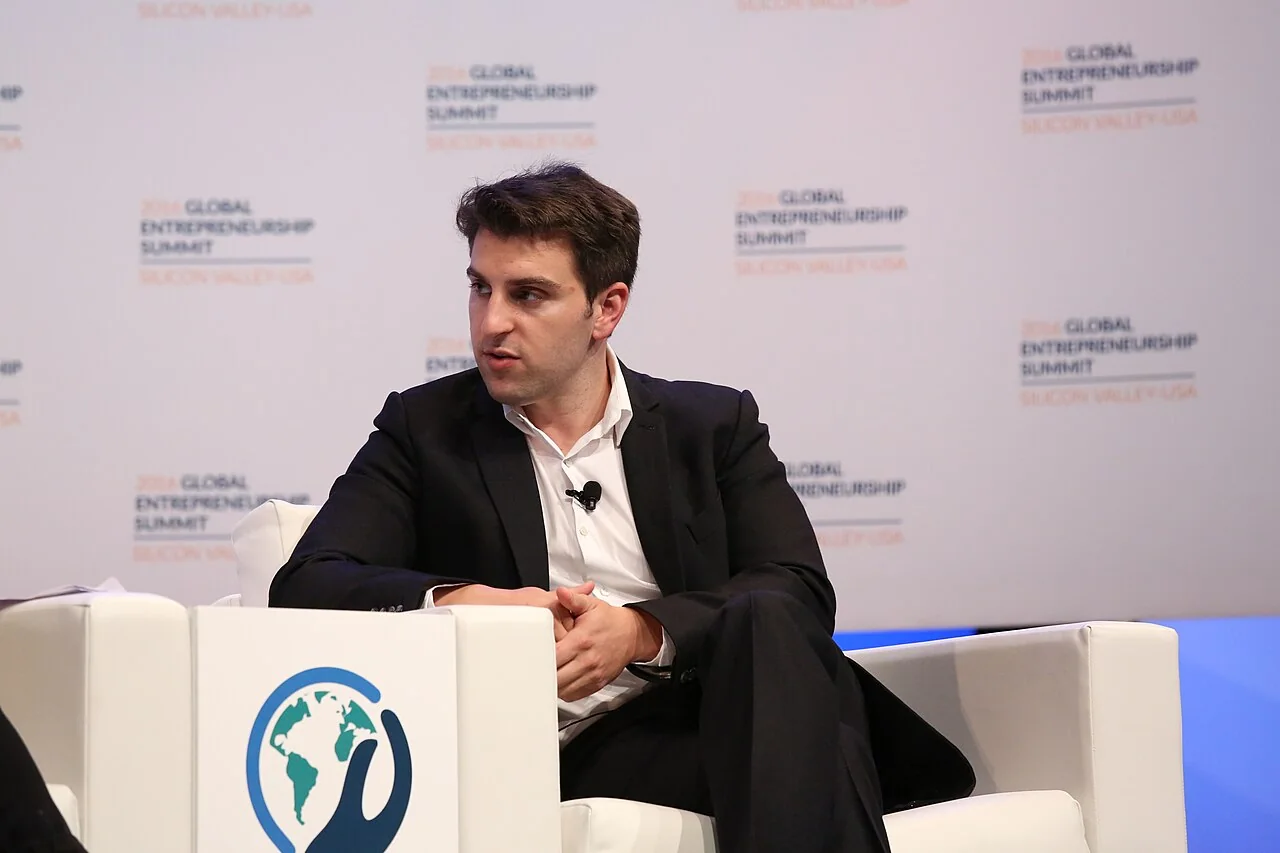
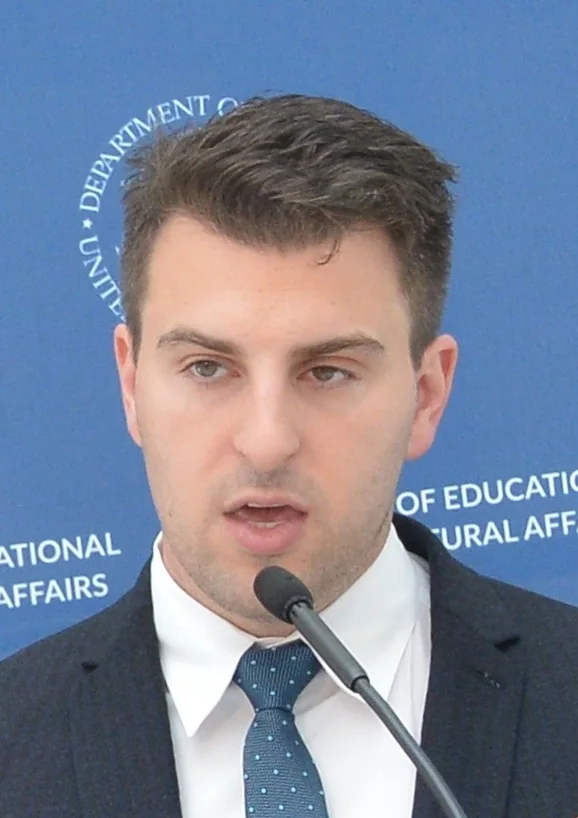
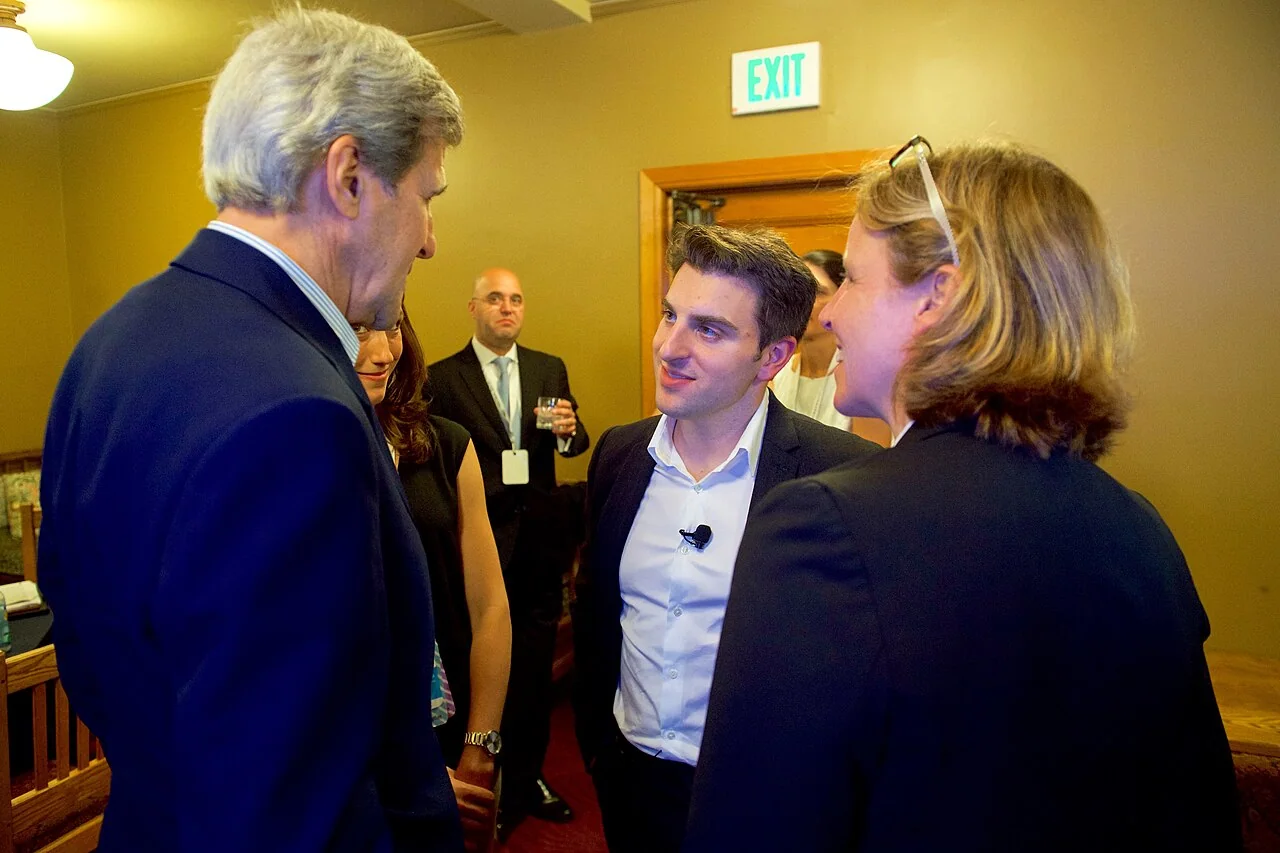



.jpg)
.jpg)
.jpg)
.jpg)
.jpg)
CONNECTED BY FIELD
Other people.
Shared territory.
Technology
Ali Abdaal
Voicepal
From Cambridge medical student to a publishing and software business, Ali Abdaal has built a career around making learning and creative work more approachable.

Technology
Anne Boden
Starling Bank
Anne Boden's founder story connects computing, banking operations and the creation of Starling, followed by a transition from its founding chief executive role.
Digital Business
Dan Martell
Martell Ventures
Dan Martell brings the experience of creating software businesses into education for entrepreneurs navigating growing teams and changing responsibilities.