
Ben Francis
BUSINESS ASSOCIATION
Gymshark
Explore Gymshark: company profileGymshark's founder whose interest in lifting became a fitness apparel business, with community, product development and leadership forming central parts of its growth.
Turning an interest in lifting into apparel
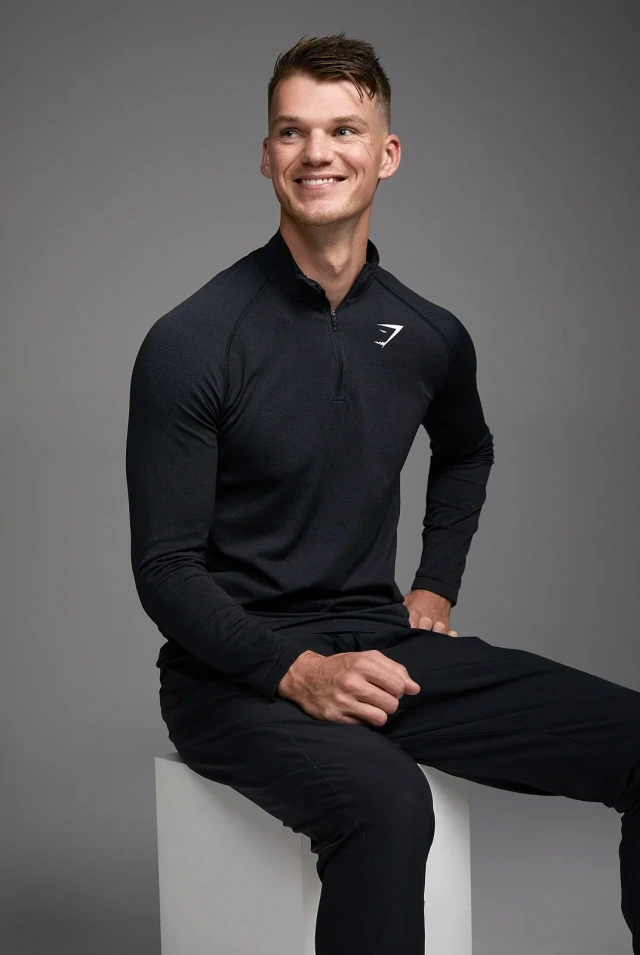
Ben Francis established Gymshark in 2012 at the age of nineteen. The company's history traces the idea to his own enthusiasm for the gym and a desire to design fitted clothing for fellow lifters. This placed the early customer close to his own interests, giving the young business a clear audience and a practical reason to develop its products.
The first website also offered supplements through dropshipping, allowing goods to be sold without buying inventory in advance. Clothing production grew from a small garage setting into a business designing and distributing its own fitness wear. Gymshark's beginnings therefore combined an online selling model with hands-on work to create apparel for a new generation of gym users.
Building connections around training
Gymshark describes community as an essential part of its identity. Its published values emphasize listening to customers, learning from them and staying connected with the company's origins. In the brand's own account, clothing, content and events create several ways for people to encounter the business through their shared interest in lifting and preparation.
These statements express how Gymshark presents its approach rather than independently measuring every customer experience. They nevertheless explain the business Francis developed: apparel sits within a broader relationship with the habits and interests of its audience. The company's introduction brings clothing, content and community together, making training a shared context for its commercial products and public presence.
Sources [2]
Supporting international development through investment
As Gymshark developed, ownership and financing became part of the founder's responsibilities. PwC's account of the 2020 transaction explains that shareholders sought capital for international growth while preserving Francis' control. General Atlantic acquired a minority stake, with PwC's UK and US teams acting as lead advisers to the process.
The work took place during lockdown, with technology helping the parties collaborate remotely. Bringing in an investment partner created a different set of tasks from those involved in making the first garments. Diligence, information gathering and preparations for international development became part of the company's growth, alongside the products and community through which customers knew the brand.
Sources [3]
Developing as a founder and company leader
Francis' responsibilities have changed during Gymshark's development. The official history states that he left the CEO position in 2017 to become chief brand officer, concentrating on brand identity, innovation and creative content. Steve Hewitt took on chief executive responsibilities and worked on the company's organizational foundations as the business continued to develop.
In August 2021, Francis returned as chief executive, and the source company's profile identifies him as founder and CEO. His path included a period devoted to a more focused area of the business before he resumed responsibility for the wider operation. This makes learning through different leadership roles an important part of the Gymshark founder story.
Making products with a sewing machine and screen printer
Gymshark's account describes Francis and his friends making early garments with a sewing machine and screen printer. The garage gave them a place to translate preferences from the gym into clothing they could adjust, print and show to fellow lifters. Production was a practical part of establishing the business, alongside the work on its website.
This close relationship with the product connected the founder with fit and presentation. Ideas could move into a physical garment and then into a conversation with someone who shared his interest in training. Those early responsibilities gave Francis experience in both creating apparel and bringing it to customers, before the company had the resources of an established sportswear operation.
Sources [1]
Taking an online brand to BodyPower
The company's history highlights the 2013 BodyPower exhibition as a significant early encounter with its audience. The event gave Gymshark a physical setting in which to introduce products and meet the people it hoped would wear them. A business developed through a garage and website could now interact with a gathering centered on training.
Face-to-face contact added another dimension to its community. Visitors could see the clothing, recognize people associated with the company and speak directly with the brand. This brought the online presentation into a shared physical space, giving the young business an opportunity to connect its products with the lifting audience it had set out to serve.
Sources [1]
Preparing a growing business for a new partner
PwC's description of the General Atlantic investment shows advisory teams in the UK and US supporting Gymshark's shareholders. Their aim was to secure resources for international development while maintaining Francis' control. With lockdown shaping the working environment, the participants organized the transaction and its supporting work through remote collaboration.
Preparing for an outside investment partner required the business to explain its operations, plans and information in a different setting. It added an institutional chapter to Francis' career, extending the founder's responsibilities beyond apparel development. Advisers, ownership choices and preparation for a wider operating footprint became part of the practical work of developing the brand.
Sources [3]
A few turning points
Career milestones
A fitness interest translated into a recognizable brand
The importance of the early Gymshark story lies in the connection between the founders' interests and the people they wanted to serve. Clothing for training is experienced through fit, movement and the setting in which it is worn. Francis's involvement in fitness gave that product area a personal context. The official history connects the business to its early practical beginnings, making the work of developing and selling products part of the biography. A brand identity then gives those individual products a common name and presentation that customers can recognize across different purchases.
Selling online also creates a different relationship with a customer from running a traditional shop. Product photographs, sizing information, delivery and the experience of receiving an order become parts of the service. Gymshark's fitness community provides another point of contact, connecting the clothing to the training interests of its audience. These elements help explain how the business combines e-commerce with a wider brand identity. For Francis, the entrepreneurial chapter involves both the goods being sold and the work of making their presentation recognizable to people who share an interest in fitness.
The organizational chapter behind a consumer-facing company
As a consumer brand develops, the visible products depend on work carried out across the organization. Design decisions need to connect with production, stock availability and the experience of customers after an order. The official company account and PwC's transaction case study place Gymshark within that wider business setting. They give Francis's biography a corporate chapter alongside the familiar founding story. The case study is useful because it documents a particular professional engagement around the business, supplying a source that can be considered separately from the company's own presentation of its identity.
The move from early experiments to an established organization also changes what leadership asks of a founder. Practical involvement in the first products is one kind of responsibility; coordinating a team and making decisions about the company's direction is another. Francis's public story is connected to both stages. This makes the biography more than an account of a single early idea. It follows an interest in fitness into product development and then into the continuing work of operating a company whose customers encounter the brand through clothing, online shopping and its wider community.
Across those stages, Gymshark remains the central business association. The brand gives the profile a clear focus, while its official history and the external case study provide different kinds of evidence for the company's development. That combination helps distinguish an account of the founder's journey from assumptions about performance or the experience of every customer.
The person and the product identity
Francis's individual biography and Gymshark's company history offer two routes into the same development. One follows the person behind the founding story; the other follows the brand and its relationship with customers. Reading both gives the entrepreneurial account a human starting point and an organizational context.
Sources [1]
The evidence behind the account
Sources & further reading
The linked source material was checked on October 13, 2026. Roles and business relationships may change. Source numbers refer to the sections above.
- GymsharkThe official Gymshark story
- GymsharkAbout Gymshark
- PwCHow we gave Gymshark a bigger bite
IN PICTURES THE PHOTO ARCHIVE
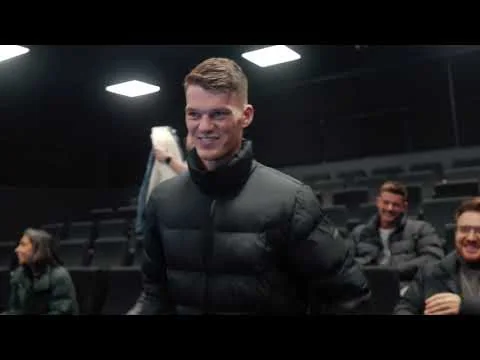
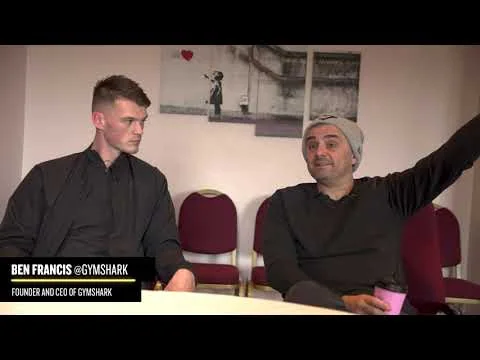
More of Ben Francis.
8 photographs
A closer look, beyond the biography.





CONNECTED BY FIELD
Other people.
Shared territory.

Digital Business
Andy Frisella
1st Phorm / Supplement Superstores
Andy Frisella connects experience in customer service and nutrition retail with a fitness brand, public business discussions and a defined discipline programme.
Digital Business
Gary Vaynerchuk
VaynerX · VaynerMedia · VeeFriends
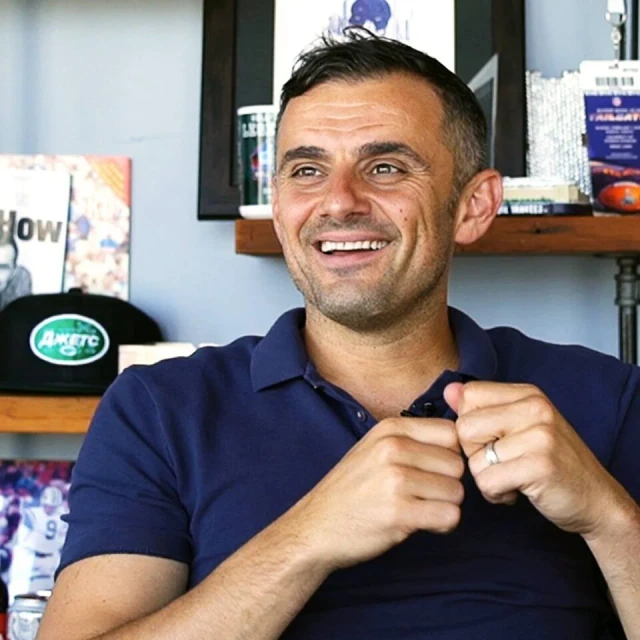
Gary Vaynerchuk's career developed from the family wine store into VaynerMedia and a wider public identity, with character-based products adding another business chapter.
Consumer Brands
Kosso
Kosso Nutrition
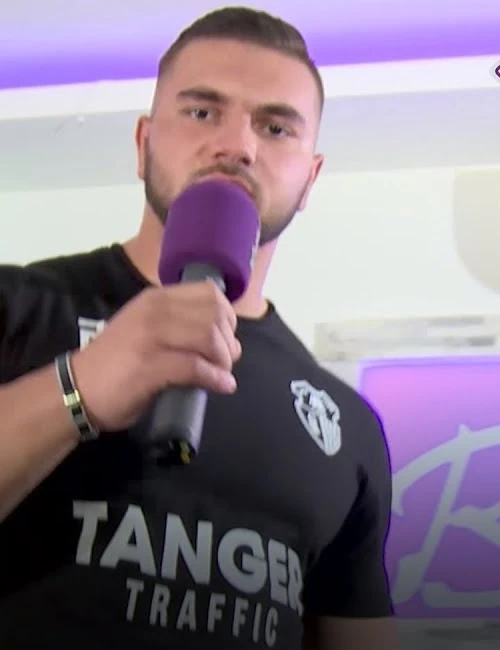
Kosso connects a background in music and bodybuilding with a consumer business in supplements, online retail and fitness coaching.