
Samuel Onuha

BUSINESS ASSOCIATION
ICON Amsterdam
Explore ICON Amsterdam: company profileA Dutch entrepreneur and founder of ICON Amsterdam who connects a menswear business with online content and education for aspiring e-commerce owners.
Turning an interest in menswear into a business
Samuel Onuha founded ICON Amsterdam, a menswear brand whose own history traces its beginnings to 2018. The company describes an initial idea built around combining a tailored appearance with fabrics that allow freedom of movement. Clothing gave that idea a tangible starting point and an online shop gave it a route to customers.
His personal website places the beginning of his online business work at eighteen, while he was still in school. It presents entrepreneurship as a route toward greater independence. That first-person account supplies the personal context for a business story that developed around selling a physical product online.
Building ICON with Ruben Onuha
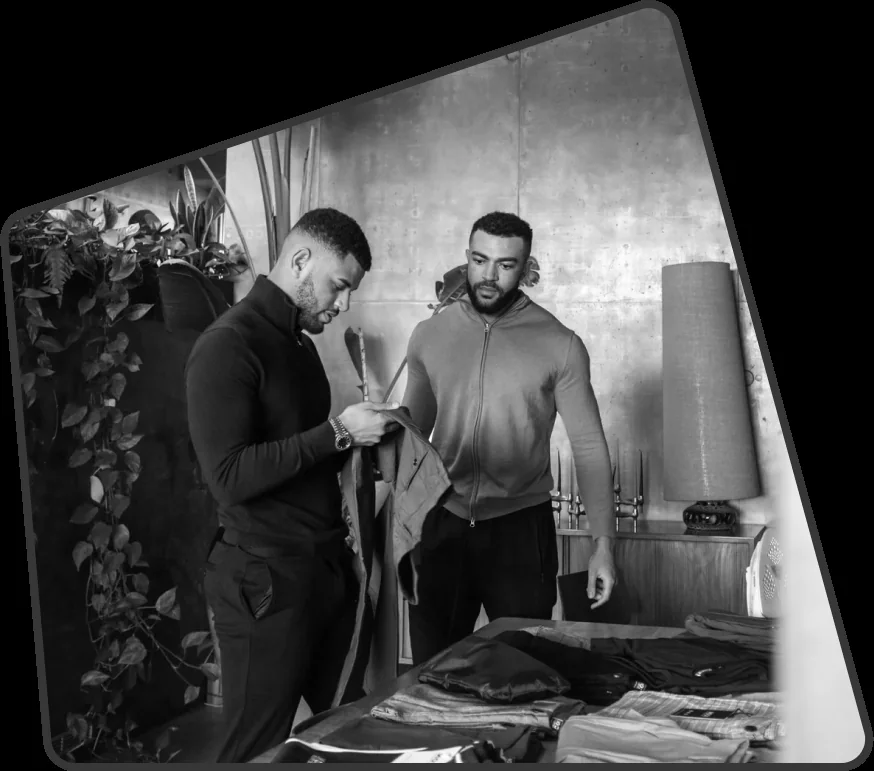
ICON's heritage page describes Samuel's brother Ruben joining the business after its initial beginnings. Their partnership became part of the brand's public identity, linking the clothing with a shared interest in personal development and purposeful presentation.
The company now presents a wider menswear collection through its own storefront. Its emphasis on fit, adaptable fabrics and everyday essentials connects the original product idea with a broader consumer brand. The brothers' story remains visible alongside that commercial offering.
Sources [1]
Sharing the work behind an online brand
Samuel's website also introduces his interviews, YouTube channel and business coaching. These give his entrepreneurial experience a second setting beyond the clothing shop, making his personal account available to people interested in online business.
His coaching is presented around business strategies, practical experience and continuing support. Together, the retail brand and educational channels show two connected parts of his work: operating an e-commerce business and explaining his approach to an audience considering a similar path.
Sources [2]
A founder's first-person account of the early business decision
Onuha's personal site describes beginning online business while still at school and seeking greater independence. It presents the early work as a response to limited resources and skepticism around making a living online. This is the founder's own account of the motivation and circumstances. The company heritage gives the venture a separate public chronology, dating the ICON beginning to 2018. Reading the two together connects an individual entrepreneurial story with a named consumer brand and a particular starting point in its development.
The school chapter is also described as a decision within that first-person retrospective. The site says he left after an early business success, explaining how he understood the choice at the time. The biography identifies the account without presenting it as advice for another person's education or career. Its relevance is historical: it supplies the personal sequence through which Onuha introduces his own entrepreneurial path. The company source then provides the commercial setting in which the early idea developed.
The initial goal and the product idea operate at different levels. The personal account concerns independence, while ICON's heritage concerns clothing with a particular fit and movement proposition. Keeping both visible gives the founding story substance. The individual had a reason to pursue a venture, and the brand had an identifiable offering to present to customers. These references connect motivation with a concrete business rather than allowing the general desire for success to stand in for an explanation of what was sold.
From a clothing idea to a broader consumer identity
ICON's original proposition combines a close, tailored appearance with fabrics intended to allow freedom of movement. That gives the menswear business a practical subject around fit and use. The heritage page connects the idea with Samuel's own style interests, then describes Ruben joining the venture. The collaboration becomes part of the brand's identity. The biography retains this sequence so that the founder's beginning and the later brother partnership remain distinguishable within the same company history.
The wider collection gives the product identity continuity beyond its first item. Trousers, shirts, knitwear and other essentials are presented through a shared menswear brand. Customers can encounter an individual product and then explore the collection under the same name. The source describes this as part of a broader identity around purposeful presentation. Those statements are the operator's brand language, while the concrete business activity remains designing and selling clothing through an online retail setting.
An online clothing purchase also depends on information before the garment reaches the wearer. Fit, appearance and the way an item is presented become part of the customer's decision. This places communication alongside the product. Onuha's entrepreneurial association therefore concerns a consumer experience as well as a founding idea, with the company heritage and storefront supplying direct references for the identity offered to shoppers. The account keeps the business specific without inferring its complete internal operations from public marketing alone.
Sources [1]
Personal publishing and a separate educational offer
The personal website introduces interviews, a podcast and a YouTube presence as additional ways to encounter Onuha. These formats give the founder's account a public setting outside the clothing shop. A viewer can follow a discussion of entrepreneurship without buying a garment, while the business experience supplies the subject of the material. This makes publishing a distinct professional contribution within the biography. The individual name connects the channels, and the site provides a central record of the formats presented to the audience.
Coaching adds another relationship around the same public identity. The site describes personalized strategies, practical experience and continuing support within its learning offer. This is separate from a consumer retail transaction. A learner is considering material and guidance about their own business, rather than purchasing a product from ICON. The biography can identify the educational subject and format while keeping promotional income stories attached to the operator's presentation instead of treating them as independently verified results.
The distinction is particularly useful where the site presents testimonials or video titles with revenue claims. Those are accounts within the marketing of the programme and need their own evidence before being treated as established financial outcomes. The professional association is clear without adopting them: Onuha presents business education alongside his clothing-company background and public media. The sources identify that catalogue and give readers the original material to examine directly.
Sources [2]
A profile with an identifiable business and public sequence
The documented story moves from an online-business beginning into a menswear brand, a brother partnership and additional public formats. Each chapter has its own practical relationship with the audience. A shopper encounters clothing, a viewer encounters a personal account and a learner considers an educational service. The same individual connects them while the products remain specific. This gives the biography range without losing the original company as its principal entrepreneurial association.
The source perspectives are complementary. ICON presents its heritage and consumer identity, while Onuha's own site supplies the personal motivation and later catalogue. Together, they let the founder be followed through a concrete organization and the material through which he discusses his work. The profile retains the distinction between a first-person account and an independently documented result, keeping the professional history grounded in the activities and associations actually presented.
The partnership with Ruben remains visible within that structure, while Samuel's own chronology and educational channels distinguish his individual profile. The biography therefore preserves the shared company story and the separate public identity, giving each its proper place in the documented entrepreneurial account.
The retail and educational customers also bring different expectations to the same public identity. A clothing customer wants a particular garment and an ordering experience. A learner wants material and support around developing another business. Onuha's name can introduce both, but the product defines the relationship. The biography keeps those offerings clear through the company and personal sources, making the range of the professional account understandable without assuming that every viewer, shopper and participant is engaging with the same business activity or receiving the same service.
The evidence behind the account
Sources & further reading
The linked source material was checked on October 14, 2026. Company and creator descriptions are first-party accounts. Roles and business relationships may change. Source numbers refer to the sections above.
- ICON AmsterdamAbout ICON Amsterdam: introduction and heritage
- Samuel OnuhaOfficial biography, business and coaching channels
IN PICTURES THE PHOTO ARCHIVE
More of Samuel Onuha.
8 photographs
A closer look, beyond the biography.







CONNECTED BY FIELD
Other people.
Shared territory.

Digital Business
Andy Frisella
1st Phorm / Supplement Superstores
Andy Frisella connects experience in customer service and nutrition retail with a fitness brand, public business discussions and a defined discipline programme.
Consumer Brands
Ben Francis
Gymshark
Ben Francis built Gymshark from a garage operation into a fitness brand, developing his approach to products, investment and company leadership along the way.

Digital Business
Gary Vaynerchuk
VaynerX · VaynerMedia · VeeFriends
Gary Vaynerchuk's career developed from the family wine store into VaynerMedia and a wider public identity, with character-based products adding another business chapter.