
Patrick Collison

BUSINESS ASSOCIATION
Stripe · Arc Institute
Explore Stripe: company profileStripe's co-founder and chief executive whose interests also encompass publishing, economic progress and helping establish a nonprofit biological research institution.
Building the payments service the brothers wanted to use
Patrick Collison founded Stripe with his brother John after encountering the difficulty of moving money online. UC Berkeley Haas recounts an interview in which Patrick described expecting an easier service to exist already. Following a startup event in 2009, John suggested making a prototype, and the business began in 2010.
Patrick's earlier entrepreneurial experience included Auctomatic while he studied at MIT. Building software gave the brothers a practical context for the payments challenge. Stripe's initial work started with a specific obstacle faced by an internet business, providing a foundation from which its wider financial infrastructure developed through experience.
Sources [2]
Developing economic infrastructure as a company
Stripe's company information identifies Patrick as co-founder and CEO, and John as co-founder and president. With headquarters in San Francisco and Dublin, the organization describes software for accepting payments and managing online businesses as economic infrastructure for the internet. Its scope expanded beyond the first payment integration.
Patrick's executive responsibilities connect product choices with the company's direction. Stripe states an ambition to increase the GDP of the internet, providing a mission around its services. This is the organization's declared purpose rather than a measurement of an individual's achievement, and it gives context to the broader work associated with his leadership role.
Sources [1]
Exploring the institutions and ideas behind progress
Collison's personal website describes growing up in Ireland, living in California and working mainly on Stripe. His listed interests range across economic growth, entrepreneurship, capital, urbanism and climate, with particular attention to how science is supported. These subjects provide an intellectual setting beyond the immediate operation of a payments business.
He connects Stripe Press and Works in Progress with economic and technological advancement and describes initiating Progress Studies with Tyler Cowen. His own account also explores what new technologies make possible in research and how scientists can receive useful support. These descriptions explain the questions behind his projects while keeping their intended purposes distinct from proven outcomes.
The breadth of interests also connects the operating founder with a reading and publishing audience. Questions about funding, cities and technological change offer material for exploration beyond Stripe's immediate product requirements. His website presents them as ongoing interests, giving readers a route into the ideas surrounding these separate projects.
Sources [3]
Helping establish a research institution
Collison co-founded Arc Institute with Silvana Konermann and Patrick Hsu in 2021. The independent nonprofit partners with Stanford, UC Berkeley and UC San Francisco. Its model combines long-term support for investigators with shared technical infrastructure and room to pursue research, giving biological science a particular organizational setting.
The source institute material describes Virtual Cell and Alzheimer's Disease initiatives that bring computational approaches alongside biological research. Collison is identified as a co-founder, with scientific investigators conducting the research. His contribution concerns helping establish and support the institution, preserving a clear distinction between company-building experience and the scientific programmes carried out by its researchers.
Arc's model places the organization supporting science within the story alongside the scientific questions themselves. Investigators need time, technical capabilities and a setting for collaboration. Establishing that environment is a different contribution from conducting an experiment, and the distinction gives Collison's role a clear institutional purpose.
Sources [4]
Making space for reading and wider questions
Science, history, economic growth and the organization of cities appear among the interests presented on Collison's website. They sit alongside his main work at Stripe and show a founder engaging with questions beyond payment acceptance. The public account makes room for ideas and institutions as well as product development.
This helps place Stripe Press and Works in Progress within his broader perspective. Publishing creates a setting for examining technological and economic change, while a software service has different operating responsibilities. Collison connects these activities through curiosity about the ways people, institutions and organizations support progress.
Sources [3]
Starting with a specific inconvenience
The Berkeley interview describes Stripe's origins through a service the brothers wanted somebody else to have created. The practical difficulty lay in moving money online while developing internet products. Their response was to make an initial working prototype and explore a more straightforward experience.
This small task has a useful place within the broader company story. The infrastructure ambition developed around an operating problem and the businesses affected by it. Collison's entrepreneurial progression connects that original frustration with learning about the wider opportunity, giving the company's eventual scope a practical starting point.
Sources [2]
Supporting the time and tools needed for research
Arc Institute describes long-term investigator support together with shared technical capabilities. Its intended model makes room for ambitious biological research beyond the constraints of a short funding cycle. University partnerships accompany an independent nonprofit structure, providing a defined institutional approach to supporting scientific work.
For Collison, this is a founding contribution to an organization rather than direct scientific investigation. Researchers and their collaborators carry out the studies and experimental programmes. His association connects the biography with questions about creating environments in which that work can develop, adding a different institutional responsibility alongside his software-company leadership.
Sources [4]
A few turning points
Career milestones
A practical product question and a longer institutional interest
The payment problem described in the Berkeley account began in the brothers' own experience of building internet products. They expected another company to have made the task easier, then explored making the missing service themselves. This places the first prototype within a specific use case. Patrick's later executive role concerns a much larger organization, but the early inconvenience supplies a clear starting point. The biography can follow the move from that task to the wider economic-infrastructure description without assuming that every eventual service was already defined when the founders began.
Collison's personal interests add another perspective on the institutions surrounding economic and technical work. Questions about cities, capital and science concern the environments in which people develop ideas and organizations. The personal site makes those interests explicit alongside his main work on Stripe. This gives the later research association a place in a wider intellectual profile. The public material is a source for the interests he chooses to describe, while the company and institute provide the more direct records of his organizational roles.
The particular research organization behind the Arc association
Arc Institute's own account identifies its co-founders and the structure through which it intends to support biological research. Long-term investigator support and shared technical infrastructure address different needs within scientific work. Time gives a researcher room to pursue a question; technical resources supply capabilities that can be used across projects. The university partnerships add further institutional relationships. Patrick's co-founder association belongs within this specific model, giving the research chapter more detail than a general statement of interest in science or support for progress.
The institute and Stripe also serve different purposes. A payments company supplies commercial services to businesses. An independent nonprofit research organization creates a setting for scientific investigation. Collison's professional profile includes a founding relationship with each, while their activities remain distinct. This range helps explain why his public interests extend beyond a single product category. The linked sources keep those interests connected with concrete institutions and clearly described contributions, making the commercial and research chapters understandable within one biography.
The shared thread is an interest in the conditions that allow other people to carry out work. Payments infrastructure supports businesses using the internet, while the research model supplies an environment for investigators. Each is documented through the organization involved, with the personal account adding an intellectual perspective on the wider questions.
The named co-founders and university partnerships add a collaborative setting to the research chapter, keeping the institute's wider institutional relationships visible alongside Collison's personal association. The commercial and research sources preserve those distinct purposes, allowing the wider intellectual interests to be followed through organizations with their own participants, products and institutional relationships.
The evidence behind the account
Sources & further reading
The linked source material was checked on October 13, 2026. Roles and business relationships may change. Source numbers refer to the sections above.
- StripeStripe: information and leadership
- UC Berkeley HaasPatrick Collison on prizing the small details
- Patrick CollisonAbout Patrick Collison
- Arc InstituteAbout the Arc Institute
IN PICTURES THE PHOTO ARCHIVE
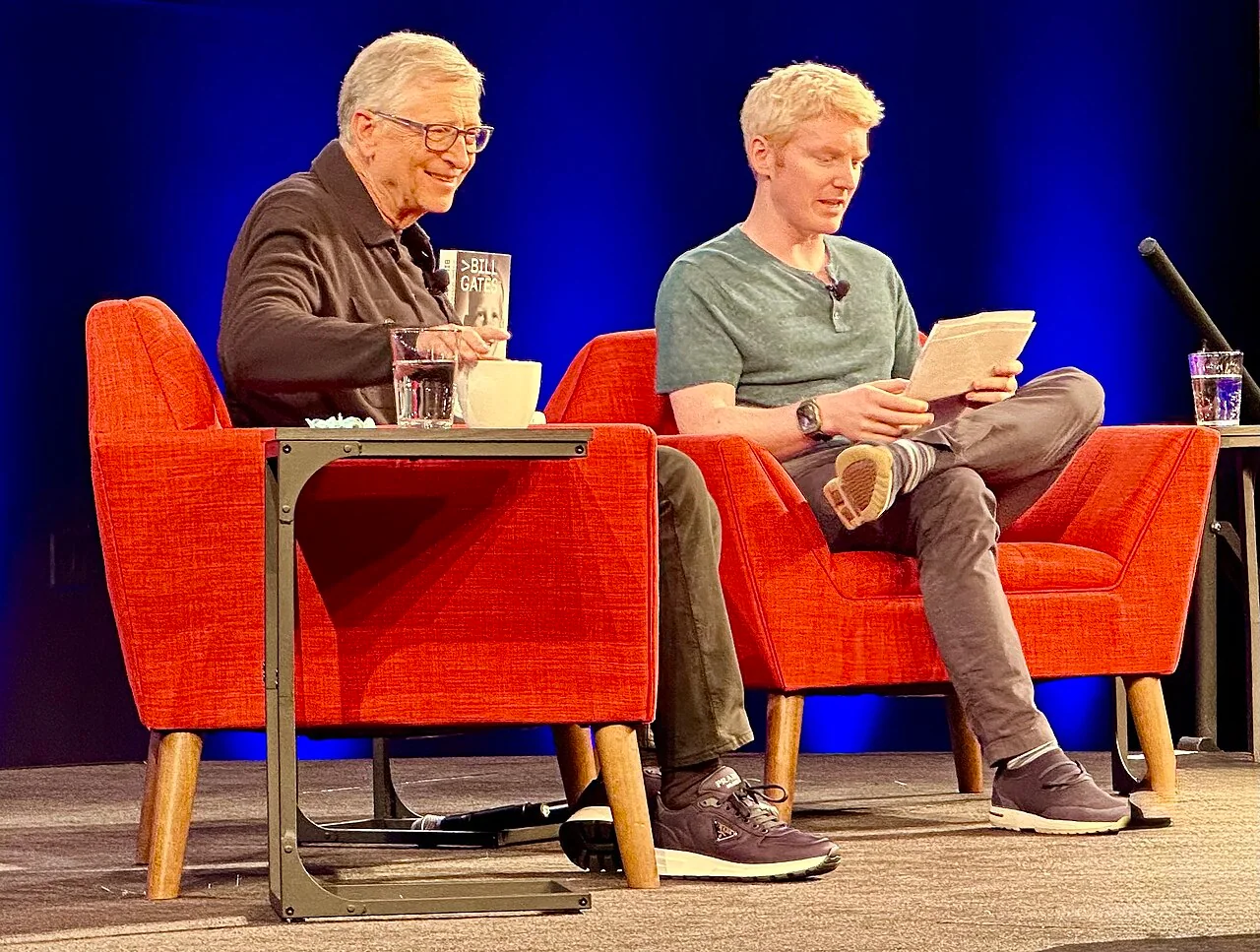
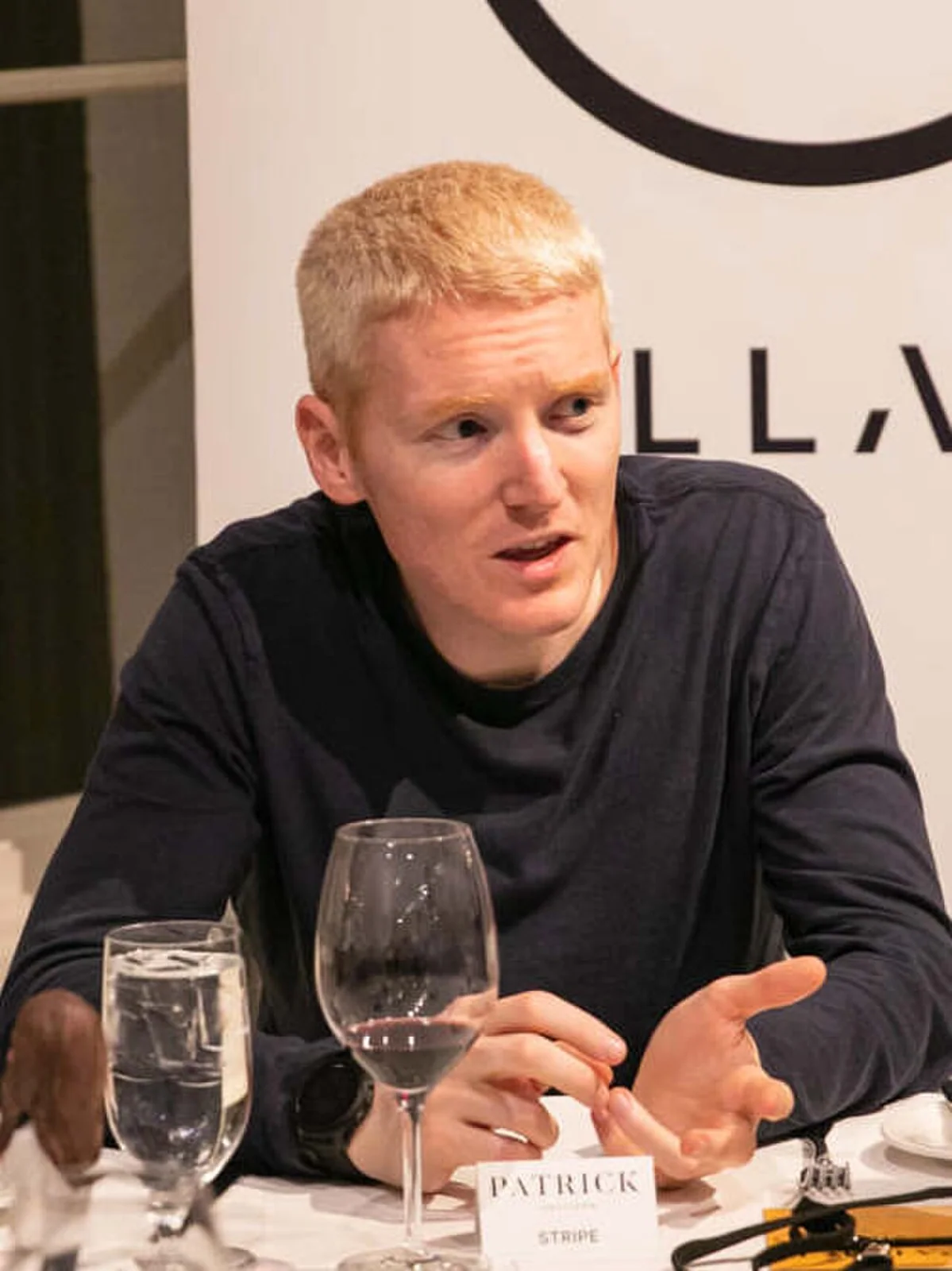
More of Patrick Collison.
8 photographs
A closer look, beyond the biography.






.jpg)

.jpg)


.jpg)

CONNECTED BY FIELD
Other people.
Shared territory.
Technology
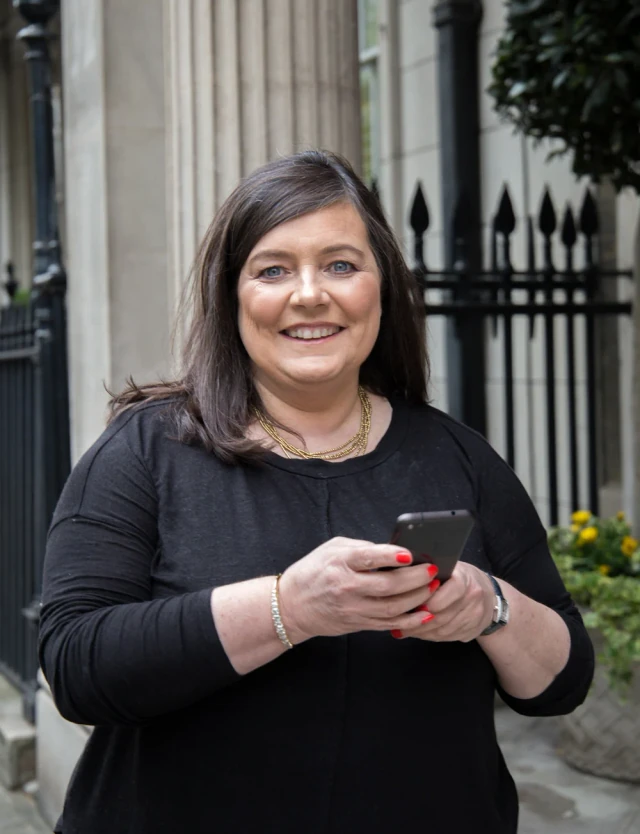
Anne Boden
Starling Bank
Anne Boden's founder story connects computing, banking operations and the creation of Starling, followed by a transition from its founding chief executive role.

Technology
John Collison
Stripe
John Collison connects the practical beginnings of Stripe with a wider interest in how people develop companies, share knowledge and support new ideas.
Digital Business
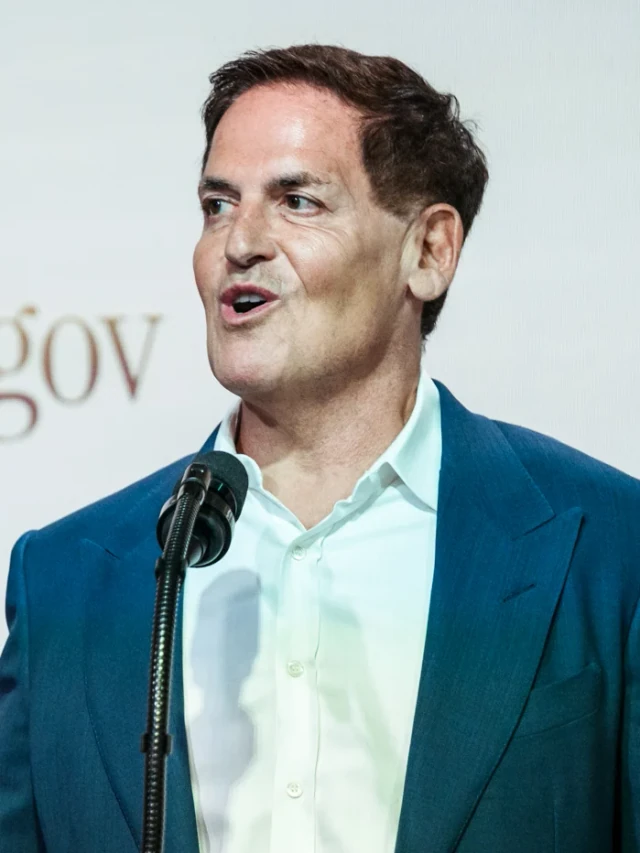
Mark Cuban
Mark Cuban Companies · Cost Plus Drugs
Mark Cuban's business history spans MicroSolutions, Broadcast.com and the Mavericks, with later ventures and public work introducing additional industries and operating models.