
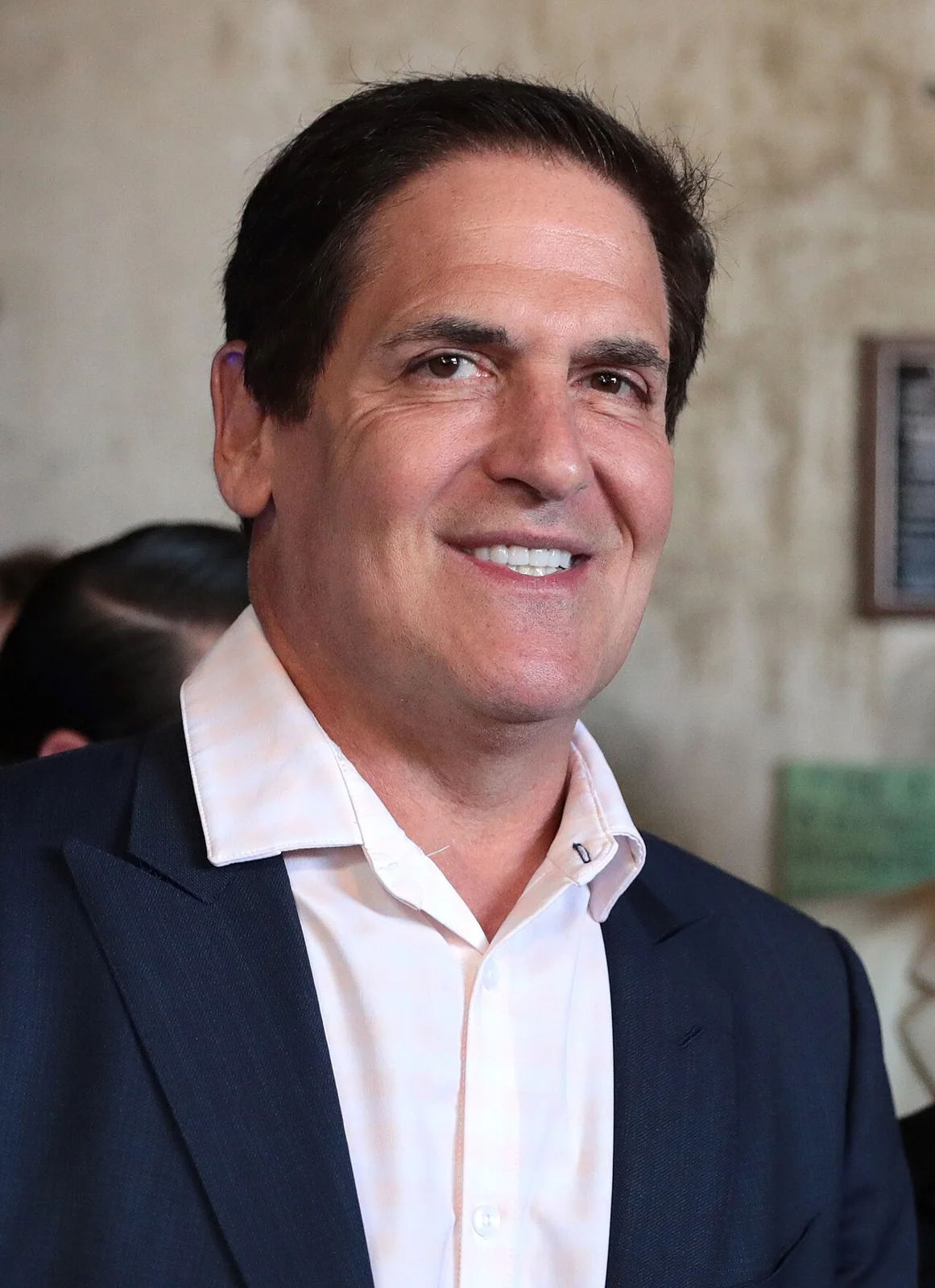
Mark Cuban

.jpg)
BUSINESS ASSOCIATION
Mark Cuban Companies · Cost Plus Drugs
Explore Mark Cuban Cost Plus Drug Company: company profileAn entrepreneur and investor whose career connects computer services and internet broadcasting with basketball ownership, television and transparent prescription-drug pricing.
Developing businesses around computing and broadcasting
Mark Cuban's early career included MicroSolutions, a business in computer consulting and systems. He later worked with Todd Wagner on the internet broadcasting venture that became Broadcast.com. In a PBS interview, Cuban connects the idea with their desire to hear Hoosiers basketball while living away from Indiana.
Yahoo acquired Broadcast.com in 1999, creating a significant transaction within the early commercial internet era. The ventures establish the starting point of Cuban's wider career: identifying practical uses for technology, developing an operating company and moving through an eventual sale. Later work expanded that entrepreneurial background into several different industries.
These early ventures make the relationship between personal experience and a business idea particularly visible. Computing expertise supplied one set of capabilities, and an interest in basketball supplied a reason to explore broadcasting. The partnership with Wagner connected that interest with an online service other listeners could also encounter. This practical sequence gives the later transaction context within the work of developing a company.
Bringing a fan's perspective to basketball ownership
Cuban bought the Dallas Mavericks in 2000. His PBS account describes the perspective of a season-ticket holder who wanted to improve the experience around the team. Ownership moved him from computing into sports and introduced his business identity to a broader public, with the team providing a new operating environment.
On December 27, 2023, the NBA Board of Governors approved a controlling-interest sale to the Adelson and Dumont families and named Patrick Dumont the team's governor. This later milestone changed the ownership structure. Cuban's earlier ownership remains a substantial career chapter, while the sale should be kept distinct from claims about continuing control or executive responsibility.
Developing a clear prescription-drug pricing model
Cuban co-founded Mark Cuban Cost Plus Drug Company with physician Alex Oshmyansky. The company's stated approach shows the components of prescription-drug pricing through acquisition costs and a defined markup. Transparency is presented as part of the operating model, connecting what customers are offered with how the company obtains and sells products.
This venture adds another industry to Cuban's entrepreneurial history. His involvement links company building with a business proposition focused on making pricing understandable. The organization's own description explains that approach, providing a specific commercial model within a broader career of developing practical products and services.
The pricing proposition is described through the company's own material. It identifies the model readers can examine, while retaining the distinction between a stated business approach and the circumstances of any particular customer purchase.
Sources [3]
Finding a broadcasting idea through a personal interest
Cuban's PBS interview describes wanting to follow Indiana basketball with Wagner from a distance. Internet audio offered a potential route to a live experience for people away from the venue and local broadcasts. A personal audience need therefore provided the setting for an early technology venture.
His computing background and the partnership came before the acquisition that later attracted attention. The business involved a sequence of product and operating decisions around making the experience accessible. This gives the founding story a concrete problem and a practical use for the internet, connecting the idea with people who wanted to hear the event.
Sources [5]
Making investment discussions visible on television
Cuban's appearances on Shark Tank added an investor's role to his television presence. Entrepreneurs explain their products, customers and proposed investment terms within the format. It gives a wider audience a view of questions that arise when a founder presents a business opportunity.
This differs from directing an operating company or owning a sports franchise. Cuban considers a founder's proposal and possible investment relationship, bringing his entrepreneurial perspective to the discussion. Television creates a public setting for that work while each pitch remains a particular business proposal with its own context.
Sources [5]
Making the price part of the customer experience
Cost Plus Drug Company explains its selling price through the purchase cost and markup. This makes the construction of a price visible alongside the operational tasks of obtaining products and delivering orders. Cuban's association connects him with a business where clarity about pricing is part of the stated customer proposition.
The model continues a theme of helping organize a company around a defined market question. Here, the price itself becomes an element of the experience the business offers. Its descriptions set out the approach, while a customer's actual choice depends on the relevant medication, availability and price.
Sources [3]
A few turning points
Career milestones
Personal interests that became operating businesses
The Indiana basketball story makes the broadcasting venture unusually concrete. Cuban and Wagner wanted access to an experience they could no longer follow in the same local setting. Their computing background created a way to explore that need through internet audio. Cuban's PBS interview supplies the personal account, placing an identifiable audience problem before the later acquisition. It gives the technology chapter a human starting point: the business developed around something the founders themselves wanted to do, with online distribution providing the new commercial environment.
The Mavericks chapter also begins with the perspective of someone already interested in the experience. Cuban describes being a season-ticket holder before becoming an owner. That sequence connects the fan's view with the responsibilities of operating a sports organization. The subsequent controlling-interest sale is documented through the NBA's own approval announcement, giving the biography a dated later milestone. The personal account and the league record together let the basketball association be followed through both the motivation described by Cuban and a change in the ownership structure.
A pricing model made visible to the customer
Cost Plus Drug Company organizes its public explanation around the construction of a price. The source describes purchase costs and a stated markup, making those components part of the proposition presented to customers. This gives the venture a specific subject within Cuban's career: the company is associated with how prescription products are obtained and sold, and with making the price understandable. The partnership with physician Alex Oshmyansky supplies another named founder relationship, placing collaboration within this later industry chapter just as Wagner appears in the earlier broadcasting account.
The price explanation is connected to an operating service. A customer still needs access to the relevant product and a process through which an order is delivered. The business therefore combines its stated pricing approach with the practical responsibilities of supplying goods. Cuban's association gives the venture a recognizable public figure, while the company material provides the direct reference for the offering itself. Following the source keeps the profile specific to the described model, without treating the public identity of a co-founder as proof of every customer's experience.
Across computing, broadcasting, sports and prescription products, Cuban's biography shows several routes into ownership. The industries differ, but the documented accounts repeatedly begin with an identifiable market question or customer perspective. The investment role on Shark Tank adds another setting in which founders explain their own businesses to him. These chapters give the career range while retaining concrete organizations, collaborators and transactions that readers can follow through the original sources.
The source variety also supplies chronology: the interview explains beginnings, the league records an ownership event and the drug company's material describes a later operating model. Each contributes a different part of the professional account, allowing the wider public career to remain attached to specific business developments.
The collaborators remain part of that sequence. Wagner is connected with the broadcasting venture and Oshmyansky with the prescription-products company. Their named roles keep partnership visible within a career often followed through Cuban's individual public identity, giving each business chapter the people and professional setting described by its sources. The company and league records also preserve the particular form of each association, keeping a founder partnership, an ownership event and an operating model distinct within the same biography.
Sources [3]
The evidence behind the account
Sources & further reading
The linked source material was checked on October 13, 2026. Roles and business relationships may change. Source numbers refer to the sections above.
- Indiana UniversityMark Cuban — University Honors and Awards
- NBANBA Board of Governors approves sale of Mavericks
- Mark Cuban Cost Plus Drug CompanyMark Cuban Cost Plus Drug Company — company information
- PBSThe David Rubenstein Show: Mark Cuban — interview transcript
IN PICTURES THE PHOTO ARCHIVE
More of Mark Cuban.
8 photographs
A closer look, beyond the biography.
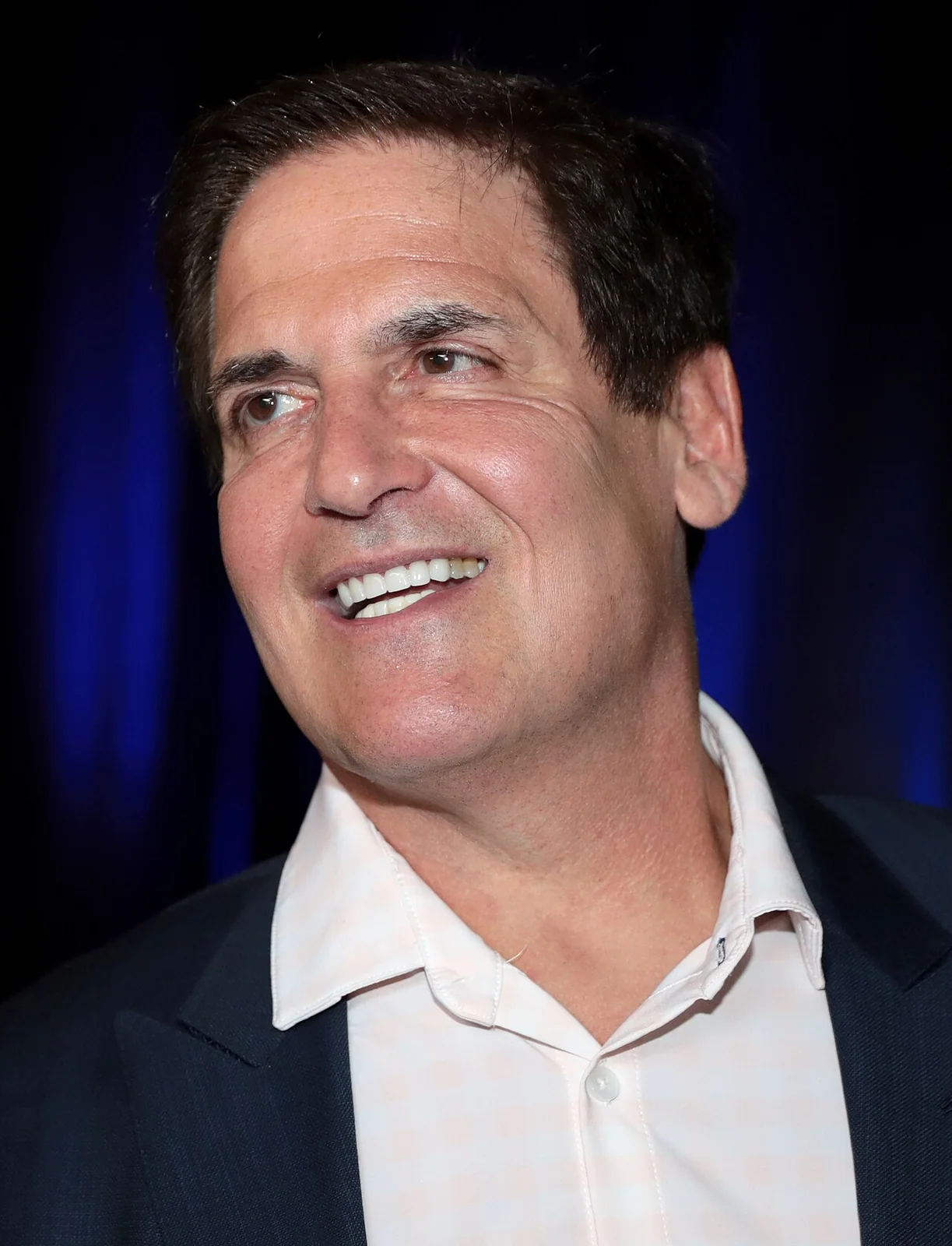

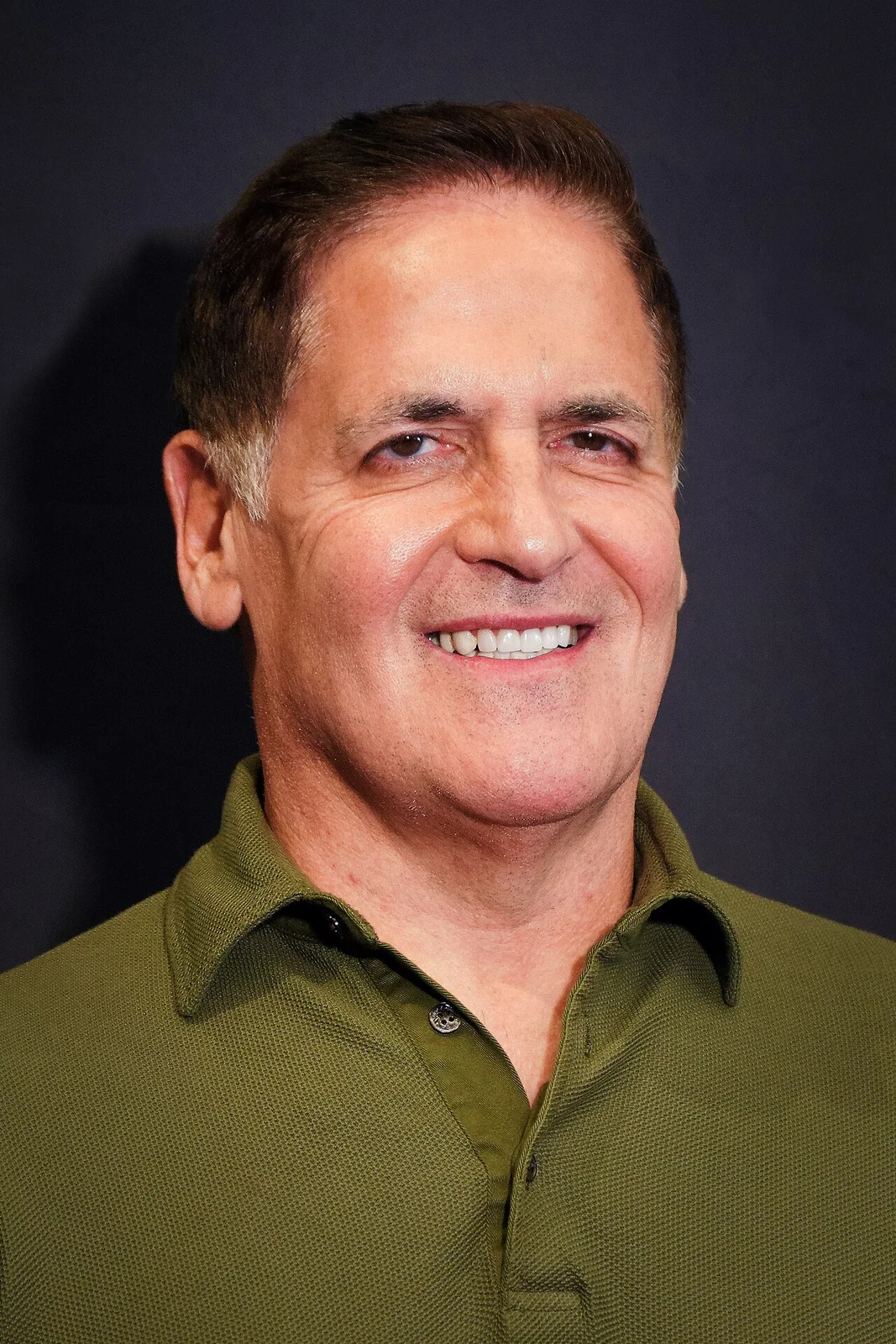

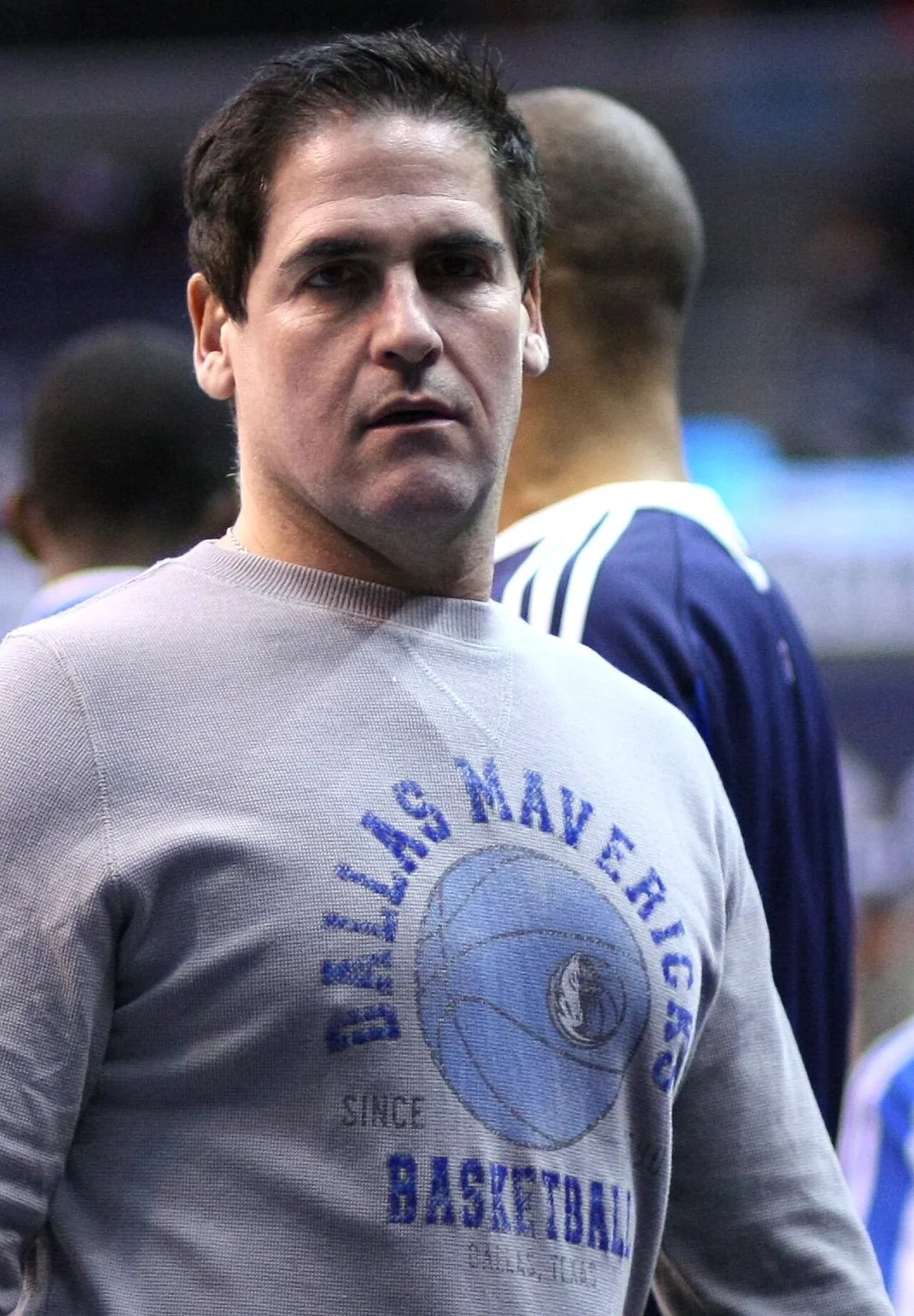


.jpg)




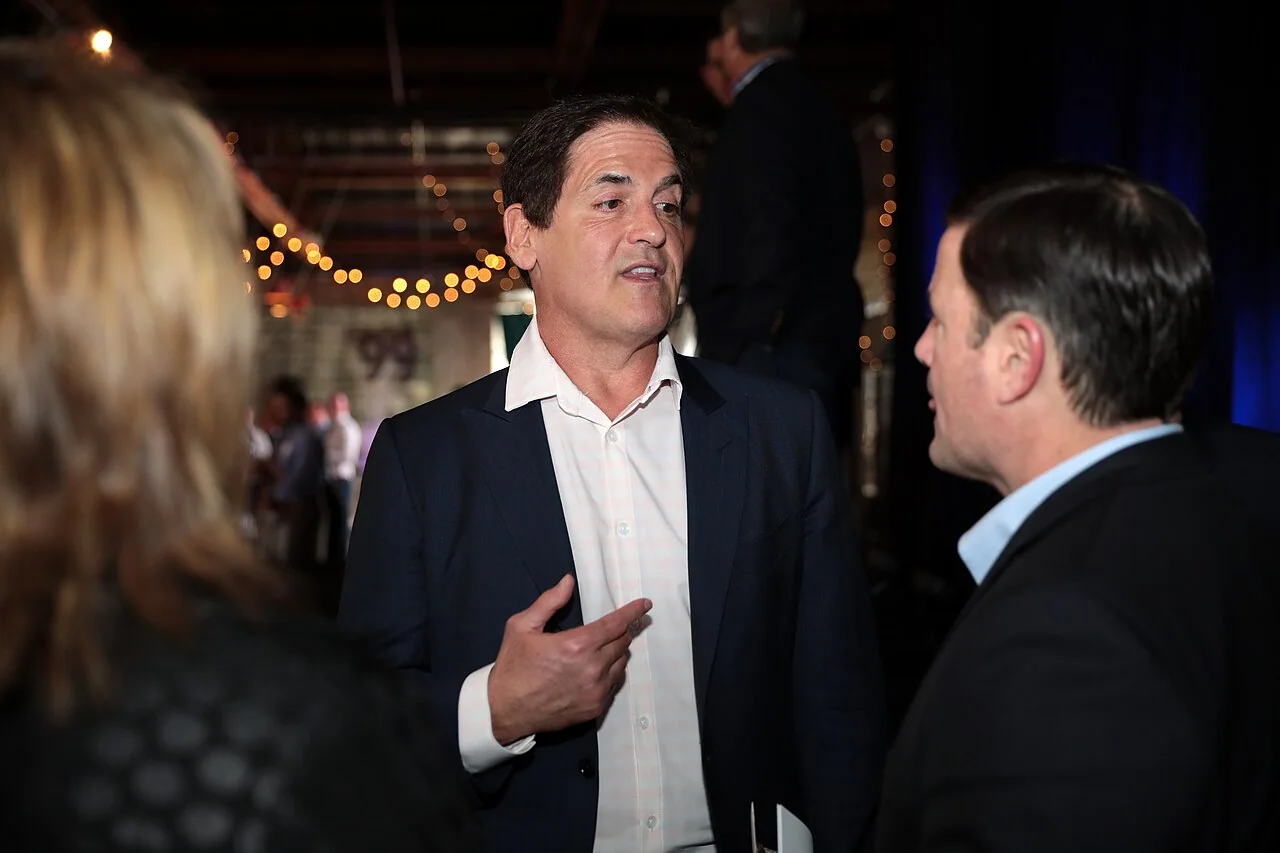
.jpg)
.jpg)
CONNECTED BY FIELD
Other people.
Shared territory.

Technology
Reid Hoffman
LinkedIn · Greylock
Reid Hoffman's professional background spans PayPal, LinkedIn and venture investing, with books and conversations extending his interest in networks, growth and artificial intelligence.

Digital Business
Steven Bartlett
Flightstory · The Diary of a CEO
Steven Bartlett's career connects Wallpark and Social Chain with Flightstory, thirdweb and a public platform built around extended conversations and business ideas.
Digital Business
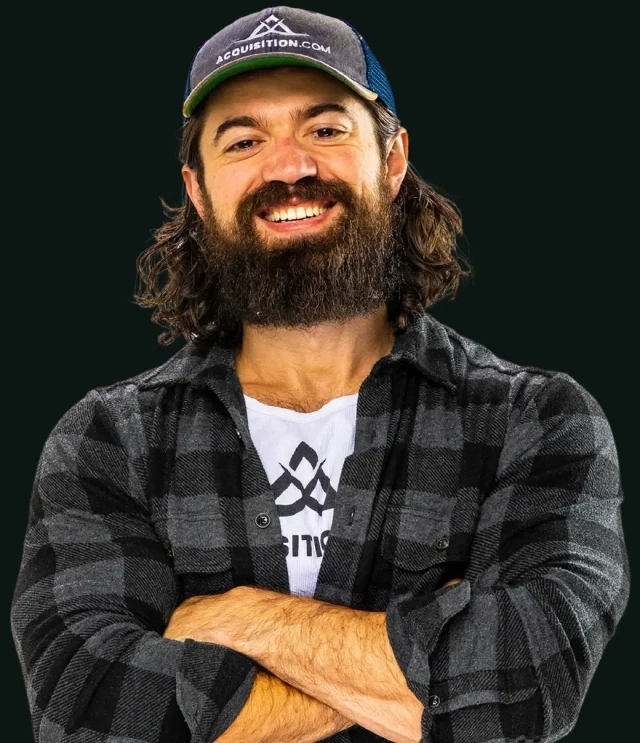
Alex Hormozi
Acquisition.com
From gym ownership to investment and publishing, Alex Hormozi develops his business ideas around the practical work of serving customers and building operations.