
Pat Flynn

BUSINESS ASSOCIATION
SwitchPod
Explore SwitchPod: company profilePat Flynn is an entrepreneur, author and creator who co-founded SwitchPod and built Smart Passive Income into a widely followed business-education platform before its sale in 2026.
A layoff changed the direction of his work
Pat Flynn dates a decisive change in his working life to being laid off from an architecture job in June 2008. His official account presents the event as the beginning of an unexpected move into online entrepreneurship. Rather than following a planned transition from a media career, he began exploring how his knowledge and experience could be useful to people he could reach through the internet. The uncertainty of that starting point became an important part of his later public identity.
Flynn's explanation of his goals is notably personal. His biography emphasizes being available to his family and building work that serves other people. Those stated priorities provide a way to understand his business choices without inferring private financial circumstances. The question is not only how a venture can generate revenue, but how its demands fit the life its owner wants to lead. That distinction appears repeatedly across his writing, interviews and educational projects.
Sources [1]
Documenting the work through Smart Passive Income
Flynn founded Smart Passive Income to share what he was learning about online business. The project combined practical explanations with a willingness to discuss his own experiments in public. His official biography identifies transparency as a central feature of that work. The resulting relationship with readers depended on making the process visible, including the decisions behind a product or marketing activity, rather than simply presenting a finished success story.
The name requires some care. A business can sell a product without its founder being personally present at every transaction, but creating, improving and supporting that product still takes work. Flynn's broader career makes that distinction clear. Publishing, running communities and developing equipment all involve ongoing responsibilities. Reading the word passive as a description of every part of the operation would miss the organizational activity behind the public teaching.
Using a podcast to teach through conversation
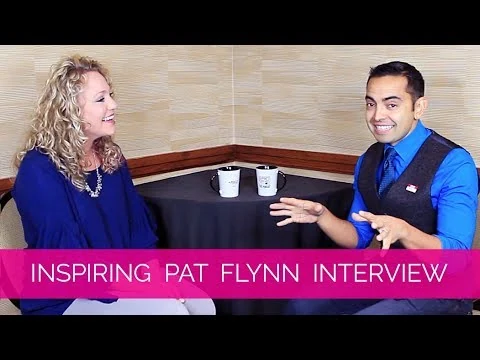
The Smart Passive Income podcast extended Flynn's written work into a recurring interview and teaching format. His official biography dates the programme to 2010. Audio gave listeners another way to encounter business ideas and allowed guests to describe their own circumstances. A conversation could explore how someone reached a decision, not only the tactic they eventually adopted, making the format well suited to a subject with many different possible business models.
Recurring publishing also creates a different kind of responsibility from launching a single educational product. A programme needs a continuing supply of relevant questions, capable guests and consistent production. Its archive becomes useful over time because a listener can return to a topic when it becomes relevant to their own work. The podcast helped make Flynn recognizable as a business educator, while providing a platform on which other entrepreneurs could be heard.
Noticing a problem in the tools creators used
SwitchPod began with a much more physical problem. Flynn and videographer Caleb Wojcik noticed video makers struggling to move between holding a camera and setting it down securely. The company's origin story places that observation at a video conference in 2017. Equipment being adapted for vlogging was not necessarily designed around that particular movement, creating friction in an activity the founders understood through their own work.
The opportunity was therefore a specific change in a user's process, rather than a general ambition to sell creator merchandise. A camera support needed to work in the hand, convert to a stable position and be convenient enough to carry. Those requirements gave the pair a practical design problem. Flynn's experience as a creator contributed knowledge of the situation in which the product would be used, while the partnership supplied a way to develop and test a tangible response.
Bringing SwitchPod from an idea to a shipped product
The founders launched SwitchPod on Kickstarter at the start of 2019, after a development period described in the company's own history. The campaign funded production, and shipping began later that year. This sequence matters because attracting pledges and delivering manufactured equipment are different stages. A successful introduction establishes demand, while the product still has to be produced, checked, packaged and supplied to the people who backed it.
SwitchPod's published product description emphasizes switching between handheld and tripod modes. It also lists accessories intended to fit the surrounding camera setup. The offer is built around saving effort during filming, with a product small enough to fit into a creator's equipment routine. These are the manufacturer's stated design aims. They explain the product's purpose without requiring the profile to make an independent claim about performance in every possible shooting condition.
The product information describes an aluminum body and a design intended to move quickly between a handheld grip and a standing tripod. Camera mounting and optional phone accessories make the intended setup concrete. Those choices connect directly with the founders' original observation about filming: a creator may need to change position and continue recording without spending much time rebuilding a support. The physical form therefore carries the product's central promise, while the published specifications let a potential buyer assess whether it suits the equipment they actually use.
Moving between teaching, software and physical products
Flynn's official project list also includes podcast software that became Fusebox. Together with SwitchPod and his educational publishing, it shows an interest in the supporting work around content creation. A useful lesson, a podcast tool and a camera accessory are different products, but each can begin with a recurring obstacle faced by someone making or distributing media. His business story is broader than operating a single personal channel.
The change of product type also changes the demands of delivery. A lesson can be revised as information changes. Software needs maintenance within a technical environment. A physical accessory brings manufacturing, inventory and shipping into the picture. These distinctions are useful context for a creator entering commerce: an audience can make a new product visible, but it does not remove the particular work required to supply that product consistently.
A new ownership chapter for Smart Passive Income
The current Smart Passive Income podcast page records a significant development in 2026: Flynn sold the business to Liz Wilcox, who became its owner and chief executive. The programme documents that transition directly, including a conversation about why it happened and what it means for the community. That makes it important to distinguish Flynn's founding role from current ownership when describing his relationship with SPI.
SwitchPod is the primary company association used for his company file in this collection. It provides a clear connection to a product he co-created with Wojcik, while the biography preserves the historical importance of SPI. The two accounts can sit together without implying that Flynn still owns every business he helped establish. A founder's influence on a brand can continue after a transaction, but ownership and the history of creation remain separate facts.
Sources [4]
Building trust through useful, identifiable work
Flynn's career has made public communication part of the business itself. Writing about experiments, interviewing other operators and showing how a product develops all give an audience material on which to judge the work. That visibility explains why he became known beyond the buyers of any one course or accessory. It also makes the distinction between a personal reputation and the quality of a particular product especially important.
The thread connecting his projects is attention to what another person is trying to do. A learner needs a clear explanation; a podcaster needs a functioning tool; a video maker needs equipment that fits the moment of filming. Those problems require different solutions and different operations. Flynn's place among entrepreneurs rests on having built around them, with SwitchPod offering a tangible example of a creator turning firsthand knowledge of a workflow into a business.
The evidence behind the account
Sources & further reading
The linked source material was checked on October 17, 2026. Company and creator descriptions are first-party accounts. Roles and business relationships may change. Source numbers refer to the sections above.
- patflynn.comAbout - Pat Flynn
- switchpod.coThe Origin Story Behind SwitchPod
- switchpod.coBuy SwitchPod Here - The minimal, versatile, handheld tripod.
- smartpassiveincome.comSmart Passive Income Podcast with Pat Flynn
IN PICTURES THE PHOTO ARCHIVE
More of Pat Flynn.
8 photographs
A closer look, beyond the biography.


CONNECTED BY FIELD
Other people.
Shared territory.

Digital Business
Andy Frisella
1st Phorm / Supplement Superstores
Andy Frisella connects experience in customer service and nutrition retail with a fitness brand, public business discussions and a defined discipline programme.
Consumer Brands
Ben Francis
Gymshark
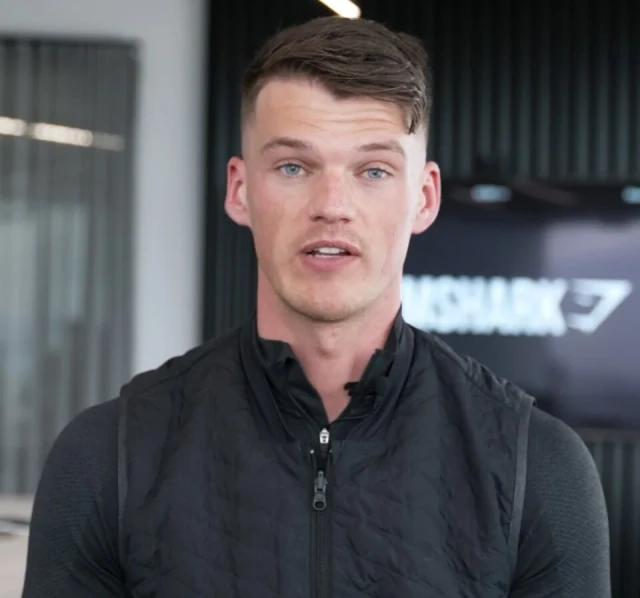
Ben Francis built Gymshark from a garage operation into a fitness brand, developing his approach to products, investment and company leadership along the way.
Digital Business
Gary Vaynerchuk
VaynerX · VaynerMedia · VeeFriends
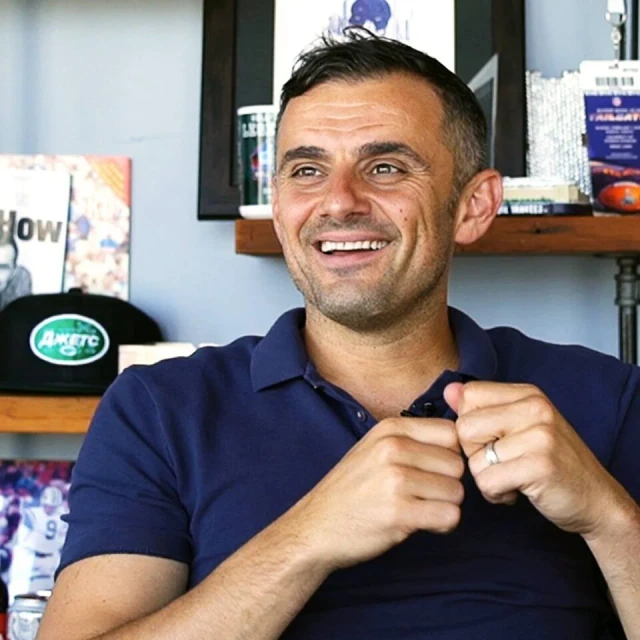
Gary Vaynerchuk's career developed from the family wine store into VaynerMedia and a wider public identity, with character-based products adding another business chapter.