
Palmer Luckey
BUSINESS ASSOCIATION
Anduril
Explore Anduril: company profilePalmer Luckey is the technology entrepreneur who founded Oculus and co-founded Anduril, moving from virtual-reality hardware into a company developing defense products, autonomous systems and supporting software.
A technical hobby became the start of a company
Palmer Luckey's own retrospective on Oculus begins with an intense interest in head-mounted displays. He describes collecting existing devices and building his own versions before deciding, at nineteen, to turn the hobby into a business. The starting point was a specific technical and experiential problem: how a display worn on the head could make virtual or augmented environments convincing and useful to a person.
That background is important because the public company story followed a period of hands-on experimentation. A convincing description of virtual reality was not sufficient; someone had to build equipment another person could try. The relationship between an idea and a working physical system became a recurring feature of Luckey's career, even as the market and intended users changed substantially in his later work.
Sources [1]
Introducing Oculus to an interested community
Luckey dates the initial public communication for Oculus to April 2012. In his later blog post, he reproduces the early explanation of what he wanted the company to do and describes introducing it through internet forums. The account places an enthusiast community near the beginning of the business. People already interested in the subject had a reason to understand the problem and respond to an early version of the proposed solution.
The company then developed through milestones including crowdfunding, financing, shipping and an acquisition by Facebook. Those are different stages in the life of a hardware business. An early demonstration can attract support, while supplying a product requires manufacturing and an organization capable of delivering it. The retrospective gives a founder's view of that progression and establishes Oculus as a concrete business history behind Luckey's later public profile.
An earlier company shaped the next venture
Luckey's account is direct about the end of his role at Oculus, describing his dismissal several years after the company's beginning. He also states that his later company Anduril would not have developed in the same way without the lessons and resources associated with Oculus. This gives the transition a personal and organizational context, rather than presenting the two companies as completely unrelated episodes.
The connection is not that a consumer headset and a defense product have the same purpose. It lies in the experience of building a technical organization and bringing hardware and software together around a defined task. Luckey's public writing supplies his own perspective on that experience. The later company has its own collaborators, customers and responsibilities, which need to be understood separately from the earlier virtual-reality business.
Sources [1]
Co-founding Anduril in 2017
Luckey co-founded Anduril in 2017 with a team whose members included Brian Schimpf, Trae Stephens, Matt Grimm and Joe Chen. Anduril is the primary company association used for him in this collection. The business develops defense products and systems, giving the profile a specific focus beyond the public discussion surrounding its founders. Official company and investor materials identify Luckey's founding relationship and distinguish it from Schimpf's chief executive role.
The team structure matters to the entrepreneurial history. A recognizable founder can introduce a company's ambition, but a complex product business depends on several kinds of expertise and leadership. Anduril's published mission describes engineering disciplines alongside experience from military users. That organizational combination is part of the stated approach to developing products intended to function in demanding operational settings.
The investor's company profile names the other co-founders as well as Luckey. This provides a useful organizational view of Anduril: engineering, executive leadership and operating responsibilities belong to a founding team. His recognizable public identity is one part of that larger company structure.
Software connects the company's product range
Anduril's mission page identifies Lattice as a core software platform connecting information and systems. This gives a useful way to understand a company whose public catalogue includes several kinds of physical equipment. The products are presented within a wider software-defined approach, rather than simply as unrelated machines. The company describes autonomy, sensing and networking as connected parts of its work.
At a broad business level, that relationship concerns how useful information reaches a person or system carrying out a task. A sensor, a vehicle and an interface can each perform a different function within the larger environment. Describing that structure explains the company's product proposition without requiring technical instructions for operating or building a defense system. The company materials supply the stated capabilities; particular claims should remain tied to the context in which they were published.
Developing products before a conventional customer request
Anduril's mission statement describes an approach in which the company identifies problems, privately funds research and development and offers completed products to customers. This is a stated business model, with the operator taking an active role in deciding what should be developed. It differs from treating every new product as work that begins only after a fully specified customer commission.
That choice also creates a practical commercial test. A company can invest in a proposed capability, but the product still needs a customer who finds it useful in an actual setting. Development, production and the relationship with users therefore have to remain connected. For Luckey's profile, the model explains part of the entrepreneurial work behind the company's public mission, alongside the technical ambition of the products themselves.
Sources [2]
Hardware makes manufacturing part of the story
Anduril's public catalogue and company announcements make physical production an important part of its identity. Software can be revised and distributed, while a machine also has to be manufactured, supplied and supported. The relationship between the two creates an operating challenge that extends beyond a successful demonstration. A product must remain useful when it becomes part of another organization's work.
This is a familiar theme across Luckey's two major company stories, despite the difference in their markets. A public presentation can make a technical idea understandable, but the business has to organize the continuing work behind it. Anduril's emphasis on finished products and production capacity places that responsibility within its own description of the company, giving the founder's public discussions an identifiable operational setting.
The 2025 partnership with Meta connected two chapters
In May 2025, Anduril announced a partnership with Meta to develop integrated extended-reality products for military use. The release described a connection between hardware, software and interfaces for presenting information, including integration with Lattice. It provides a concrete development in Anduril's public history and an unusual link with the earlier virtual-reality chapter of Luckey's career.
The announcement concerns a partnership and a development direction, so its scope should remain clear. It does not mean the two companies became one business or that every proposed product had already completed deployment. Its relevance here is the documented connection between two areas of technology Luckey had helped bring into public view. The release directly identifies him as an Anduril founder, supporting the company relationship used throughout this profile.
Sources [3]
A founder connecting technical possibility with an organization
Luckey's entrepreneurial history begins with making equipment around a personal technical interest and extends into organizations with much broader operating requirements. Oculus supplies an identifiable consumer-hardware chapter; Anduril supplies the current company file focused on defense products and supporting software. The connection between them is the founder's experience, not an assumption that the businesses have identical aims or customers.
His public profile makes the technical ambition visible, while the companies' records supply the institutional substance. Founding teams, products, financing histories and partnerships give the account a basis beyond a recognizable personality. The continuing theme is the work between an idea that sounds possible and a system someone can use, with Anduril providing the clearest current setting for examining that company-building career.
The evidence behind the account
Sources & further reading
The linked source material was checked on October 17, 2026. Company and creator descriptions are first-party accounts. Roles and business relationships may change. Source numbers refer to the sections above.
- palmerluckey.com10 Years of Oculus – The Blog of Palmer Luckey
- anduril.comMission | Anduril
- anduril.comAnduril and Meta Team Up to Transform XR for the American Military | Anduril
- anduril.comTransforming U.S. Defense Capabilities with Advanced Technology | Anduril
- WikipediaAnduril Industries - Wikipedia
- lsvp.comAnduril | Lightspeed | Venture Capital
IN PICTURES THE PHOTO ARCHIVE
More of Palmer Luckey.
8 photographs
A closer look, beyond the biography.

CONNECTED BY FIELD
Other people.
Shared territory.
Technology
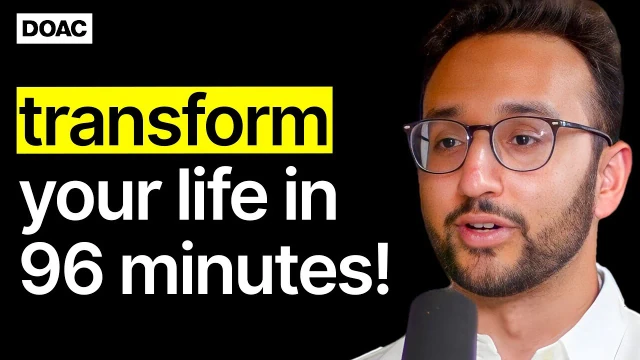
Ali Abdaal
Voicepal
From Cambridge medical student to a publishing and software business, Ali Abdaal has built a career around making learning and creative work more approachable.
Technology
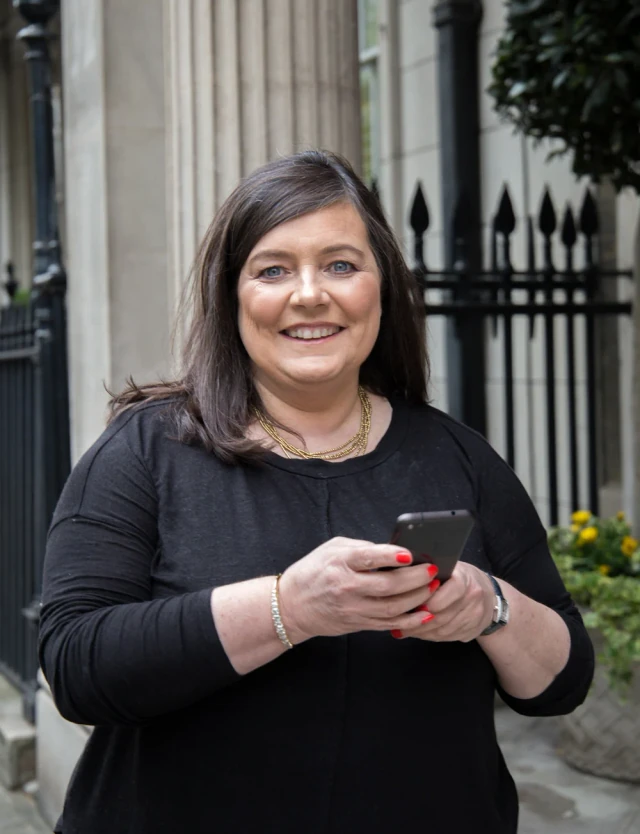
Anne Boden
Starling Bank
Anne Boden's founder story connects computing, banking operations and the creation of Starling, followed by a transition from its founding chief executive role.
Technology
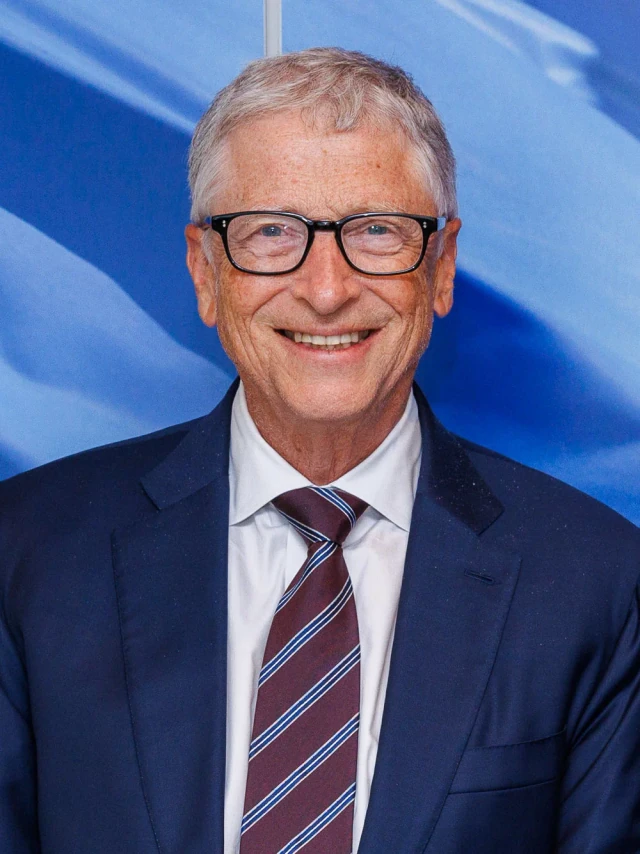
Bill Gates
Microsoft · Gates Foundation
Bill Gates' biography connects the development of a software business with foundation work in health and development, and a public platform for sharing ideas.