
Nik Storonsky
BUSINESS ASSOCIATION
Revolut
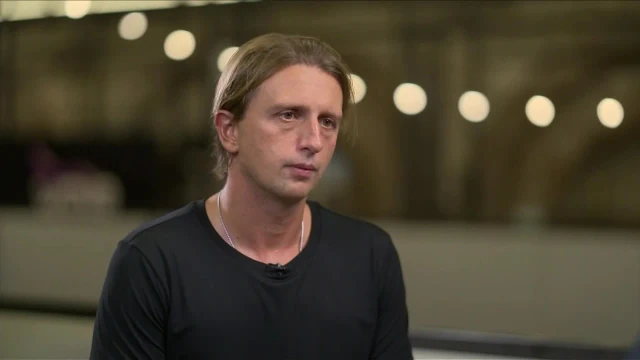
Explore Revolut: company profileNik Storonsky is the co-founder and chief executive of Revolut, a financial-technology entrepreneur whose work began with making spending and transferring money across borders easier through an app.
Technical study preceded a financial-markets career
Nik Storonsky's official Revolut biography records study in applied physics and mathematics at the Moscow Institute of Physics and Technology, followed by economics at the New Economic School. The combination supplies relevant background for a career involving both technical systems and financial activity. It places the company's founder within a longer professional development rather than treating the app as an idea detached from earlier experience.
Before Revolut, he worked in equity derivatives at Credit Suisse and Lehman Brothers. That work concerned a different part of finance from the consumer service he later helped create. It nevertheless provides context for his understanding of markets and the movement of money. The engineering background of his co-founder, Vlad Yatsenko, brought another professional perspective into the business, making their partnership an important part of the founding story.
Launching Revolut around a cross-border problem
Storonsky launched Revolut in 2015 with Yatsenko. The company's own history describes an initial focus on the way people spend and transfer money abroad. This is a specific customer problem within a large financial category: a person needs to make a payment or move money across currencies and wants the process to be understandable and convenient. The app supplied an interface through which that activity could be organized.
The starting point helps explain the business's later development. A narrow task can introduce a customer to a service before the range becomes broader. If the experience is useful, the company has an opportunity to address adjacent needs. That progression still depends on delivering the original function reliably, because a financial application becomes part of a customer's everyday activity rather than an occasional piece of entertainment.
The co-founding relationship with Vlad Yatsenko
Revolut's official leadership page identifies both founders and describes their different backgrounds. Storonsky's earlier work was in financial markets, while Yatsenko had experience building software systems. The combination is central to a business whose public product is an application but whose underlying activity involves payments, accounts and financial operations. A clear interface and a functioning system have to support one another.
The current page distinguishes their roles, identifying Storonsky as chief executive and Yatsenko as a co-founder and non-executive board member. That detail matters because the responsibilities of founders can change as a company develops. Their founding relationship remains part of the history, while the organization should be described through the roles actually presented in current company material rather than an older description repeated indefinitely.
Expanding beyond the original travel use
Revolut now presents a broader range of activities around everyday spending, saving, transfers and other financial products. The expansion is visible in the way the company describes its purpose: giving people and businesses more control over their money. The original cross-border problem remains relevant, while the app increasingly becomes a place where a customer encounters several related tasks within a familiar environment.
Those tasks still need to be understood individually. A payment, a savings product and an investment-related feature have different purposes and conditions. A shared brand makes them easier to discover, but it does not erase the distinctions between the services. For Storonsky's company-building story, the broader range shows an ambition to deepen the customer relationship while introducing more operating and organizational complexity.
Revolut Business brings organizations into the picture
Revolut's business offer includes multi-currency accounts, payments and tools for managing company spending. The published product page describes cards, controls, expense handling and connections with accounting tools. These functions address the work of an organization rather than only one person's immediate payment. Someone has to authorize spending, understand what has happened and connect the transaction with the business's wider records.
That change in customer context creates another kind of product requirement. Convenience remains useful, but a company also needs processes that several people can use without losing oversight. Revolut Business presents those functions within the same wider brand while giving them a distinct offer. It supplies a concrete example of the business expanding through related financial tasks rather than simply reproducing its consumer app for a different audience.
The business product page also names integrations with accounting services such as Xero, Sage and QuickBooks. This places the account within a wider working process: payments create records that another system needs to use. The connection helps explain why an organizational customer may evaluate the service through administration and oversight as well as the immediate experience of sending money or using a card.
Sources [3]
An international ambition with market-specific operations
The company describes an ambition to build a global bank and operates across multiple markets. That statement is a direction for the organization, rather than a claim that every product is supplied everywhere on identical terms. Financial services depend on the entity and permissions applicable to a particular activity and jurisdiction. Revolut's own product information is the appropriate place to understand the offer in an individual market.
For the founder's profile, the international range matters because it increases the work required behind a familiar app. A common visual experience can sit over different operating arrangements, support needs and product conditions. Storonsky's role therefore concerns more than introducing features. It involves directing an organization whose ambition crosses borders while the actual service still has to function clearly for a customer in a specific place.
Governance grows alongside the product
Revolut's leadership materials describe a board and governance framework as part of the organization. This supplies an institutional view beyond the co-founder most often encountered in interviews. A company handling financial activity needs defined responsibilities for strategy, oversight and the systems supporting the service. Those requirements become more visible as the product range and geographic reach broaden.
The distinction is useful when reading Storonsky's entrepreneurial identity. A founder can articulate an ambition and remain central to its direction, while a larger business needs processes and expertise that extend beyond one person. The public board information makes that organizational development tangible. It is part of the business history, alongside the original app and the product decisions that brought people into the service.
Sources [1]
A public founder whose work centres on an operating company
Storonsky is widely interviewed about growth, product development and the company he co-founded. That visibility gives Revolut a recognizable person through whom its ambitions can be explained. The underlying business, however, remains the service organization described in its own materials: accounts, payments and other products with customers and continuing responsibilities. The public personality and the operating work are connected but do different jobs.
Revolut is therefore the primary company association used for him in this collection. Its own history and current leadership page provide a concrete basis for the relationship. The profile does not need an estimate of private wealth or an assumed company valuation to explain his entrepreneurial significance. The documented founding, the development of the product and the continuing chief executive role provide the more useful account.
From an initial payment task to a broader platform
Storonsky's career connects technical education and financial-market experience with the practical problem of making money-related tasks easier to carry out through software. Revolut began with a focused cross-border use and developed into a wider personal and business offer. Each expansion brought additional product decisions and responsibilities, while the original interest in a clear customer experience remained recognizable.
The company file follows that institutional development, and the biography explains the co-founder directing it. Together they show an entrepreneurial path grounded in a specific use rather than a generic ambition to build an app. The public product is familiar and immediate, while the organization behind it has to maintain the financial, technical and customer-support work that makes the experience possible.
The evidence behind the account
Sources & further reading
The linked source material was checked on October 17, 2026. Company and creator descriptions are first-party accounts. Roles and business relationships may change. Source numbers refer to the sections above.
- revolut.comAbout us | Revolut
- WikipediaNik Storonsky | Biographical reference
- revolut.comRevolut Business | Official product information
- revolut.comRevolut | Official personal product information
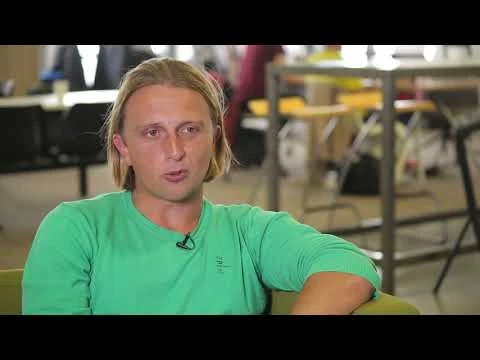
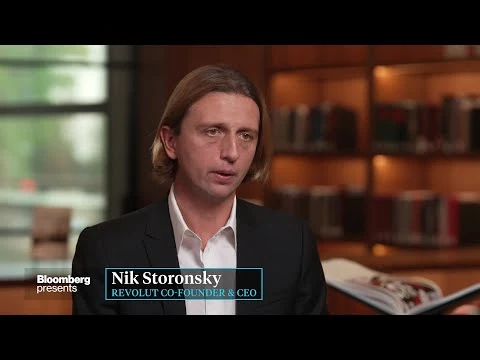
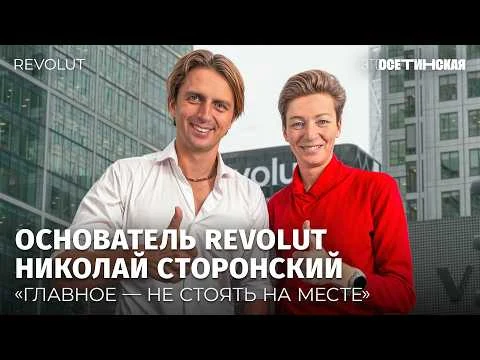
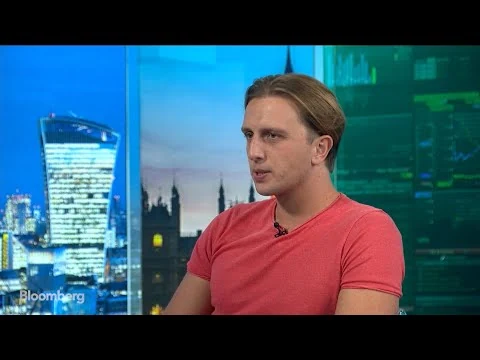
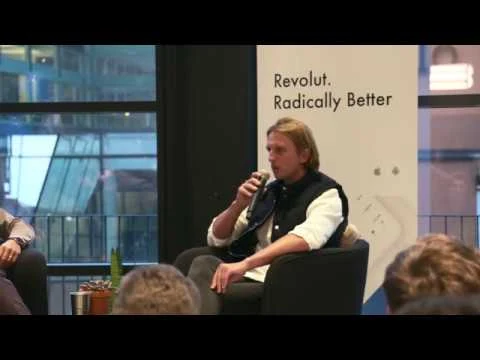
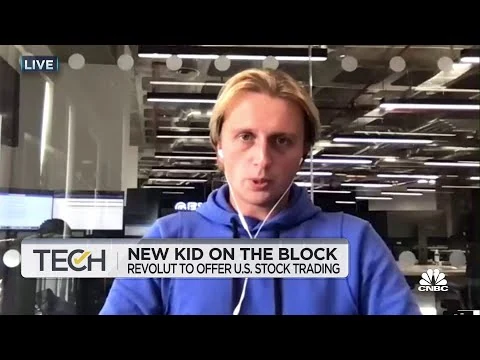
IN PICTURES THE PHOTO ARCHIVE
More of Nik Storonsky.
8 photographs
A closer look, beyond the biography.

CONNECTED BY FIELD
Other people.
Shared territory.

Technology
Anne Boden
Starling Bank
Anne Boden's founder story connects computing, banking operations and the creation of Starling, followed by a transition from its founding chief executive role.

Technology
Brian Armstrong
Coinbase
Brian Armstrong built Coinbase around making digital assets more accessible, then led the business into public markets while pursuing separate projects connected with scientific research.

Technology
John Collison
Stripe
John Collison connects the practical beginnings of Stripe with a wider interest in how people develop companies, share knowledge and support new ideas.