
Brian Armstrong
BUSINESS ASSOCIATION
Coinbase
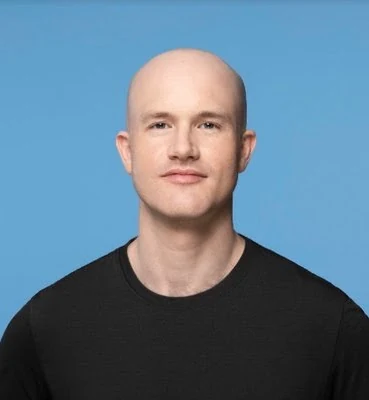
Explore Coinbase: company profileBrian Armstrong is the co-founder and chief executive of Coinbase, a technology entrepreneur whose work connects cryptocurrency services, financial infrastructure and an earlier background in software engineering.
A background connecting economics and software
Brian Armstrong's official biography records study in computer science and economics at Rice University, followed by a master's degree in computer science. That combination provides relevant background for a career involving both software and the movement of value. The subjects address different questions: how a system is built and how people respond to incentives, prices and the organization of economic activity.
His early professional work included consulting at Deloitte and software engineering at Airbnb. These roles preceded the company most closely associated with his name. They place Coinbase's founder within a broader technology career rather than making the business appear as an isolated reaction to a market trend. His biography also identifies an earlier educational venture, UniversityTutor, showing that the interest in building a business preceded his public role in cryptocurrency.
His official biography also places consulting and software engineering before the exchange. Those earlier roles help connect the founder's technical training with the practical work of developing an online service for customers.
Sources [1]
Founding Coinbase around a difficult customer experience
Armstrong co-founded Coinbase in 2012. The company's early description, preserved in Y Combinator's public company profile, concerns a wallet and platform through which people could transact with digital currencies. The practical opportunity was a gap between the existence of a technology and the ease with which an ordinary customer could use it. A functioning protocol did not automatically provide a clear consumer experience.
That distinction helps explain the entrepreneurial task. A service needed to organize access, present information and make particular actions understandable. The company could not be evaluated only through enthusiasm about the underlying asset. It had to become a product with customers and continuing operating responsibilities. Coinbase's development is therefore both a technology story and a story about building an interface and organization around a new financial category.
A consumer service became a broader platform
Coinbase's own company materials describe activities including exchange, brokerage and custody. Those functions serve different purposes even when they appear under a common brand. A customer buying an asset has a different immediate task from an institution arranging the safekeeping of holdings. The company's range shows how an initial access problem can develop into a wider set of infrastructure and service requirements.
For Armstrong, the change in scope introduced organizational responsibilities alongside product development. Financial services depend on reliability, customer support and the rules applicable to the activity and market involved. A public-facing application is one part of that system. The wider business must maintain the processes through which customers use the service, making the company more substantial than a website responding to interest in a particular currency.
Leading the company into public markets
Coinbase became publicly traded on Nasdaq in 2021 under the ticker COIN. Armstrong's biography identifies this as a milestone in the company's history. Public trading changed the setting in which the business was evaluated, adding a continuing relationship with public shareholders and formal reporting. It is a distinct development from the value or performance of any digital asset available through the platform.
The company and the market it serves should therefore be kept separate in a founder profile. A movement in an asset price does not by itself describe the quality of a service, just as a company's share price is not a complete measure of a founder's operating contribution. The public-company milestone matters here because it places Armstrong's leadership within an organization with an identifiable corporate record and continuing reporting obligations.
The chief executive role behind a public technology debate
Armstrong remains identified as Coinbase's co-founder and chief executive in the reviewed official materials. That role involves directing an operating business whose subject also attracts intense public discussion. Product strategy, organization and the relationship with customers sit alongside debates about what digital assets should enable. A public statement from the founder is only one part of the work needed to run the company.
The distinction makes the entrepreneurial account clearer. Someone can be a recognizable advocate for a technology and also be responsible for particular services supplied to customers. Coinbase gives the profile a concrete focus on the latter. Its own materials and investor information identify the organization, leadership and categories of activity, allowing the company connection to be described without relying on speculative estimates of personal wealth.
Institutional needs introduced different product demands
A business serving institutions faces requirements that differ from a simple individual purchase. Custody, trading arrangements and the way assets are managed need to fit the processes of an organization rather than only one person's immediate action. Coinbase's published range includes services in this area, showing how the company developed beyond its earliest consumer-oriented description. The functions are related through digital assets but involve distinct customer tasks.
This broadening is part of the founder's operating story. Building a familiar brand can make a service easier to discover, while different users still need different capabilities and support. The company has to decide how those needs fit within a common platform and how clearly each offer is explained. That work concerns product design and execution, rather than assuming that general interest in a technology automatically produces an appropriate service for every customer.
ResearchHub and an interest in scientific collaboration
Armstrong's official biography also identifies him as a co-founder of ResearchHub in 2020, describing an aim of accelerating scientific research. The project gives the career a second area of interest beyond cryptocurrency services. It concerns how people share, discuss and contribute to research, connecting the organization of information with the incentives surrounding participation. Those are recognizable questions for someone whose main business also depends on the design of a digital platform.
ResearchHub should still be treated as a separate project with its own purpose. A shared founder does not make every activity part of Coinbase or establish that it has the same ownership and operating model. Including it in the biography provides context for Armstrong's broader entrepreneurial interests while keeping the primary company file focused on the business through which he is most widely known.
Sources [1]
A separate biotechnology venture with NewLimit
The same biography names NewLimit, co-founded in 2022, and describes its interest in epigenetic reprogramming and human healthspan. This is a research objective rather than an established medical result. Its relevance to the profile is the founder's participation in another kind of company-building effort, bringing him into a field where scientific development and operating timelines differ substantially from a consumer software launch.
Keeping the purpose and stage clear avoids turning an entrepreneurial ambition into an unsupported claim about a treatment. Armstrong's biography establishes the business connection; it does not supply proof that a health outcome has been achieved. The venture belongs within a broader account of his interests, while Coinbase remains the main focus for understanding the public operating career and the company relationship presented in this collection.
Sources [1]
An identifiable company behind the founder's public role
Armstrong's career connects formal technical study, software work and the development of a company within a changing financial-technology category. Coinbase supplies a concrete institutional history, from its 2012 founding to becoming publicly traded in 2021 and the broader range described in its current materials. Those developments provide more substance than treating his public profile only as a comment on asset markets.
His wider projects add context without replacing that central association. ResearchHub and NewLimit show interests in scientific collaboration and biotechnology, while the Coinbase file explains the service organization he co-founded and leads. Together they describe an entrepreneur whose work repeatedly concerns the systems through which people participate in a field, with each venture requiring its own evidence, collaborators and operating responsibilities.
The evidence behind the account
Sources & further reading
The linked source material was checked on October 17, 2026. Company and creator descriptions are first-party accounts. Roles and business relationships may change. Source numbers refer to the sections above.
- brianarmstrong.orgBio · Brian Armstrong
- coinbase.comOver - Coinbase
- ycombinator.comCoinbase: Buy, sell, and manage cryptocurrencies. | Y Combinator
- investor.coinbase.comCoinbase - Governance - Management
IN PICTURES THE PHOTO ARCHIVE
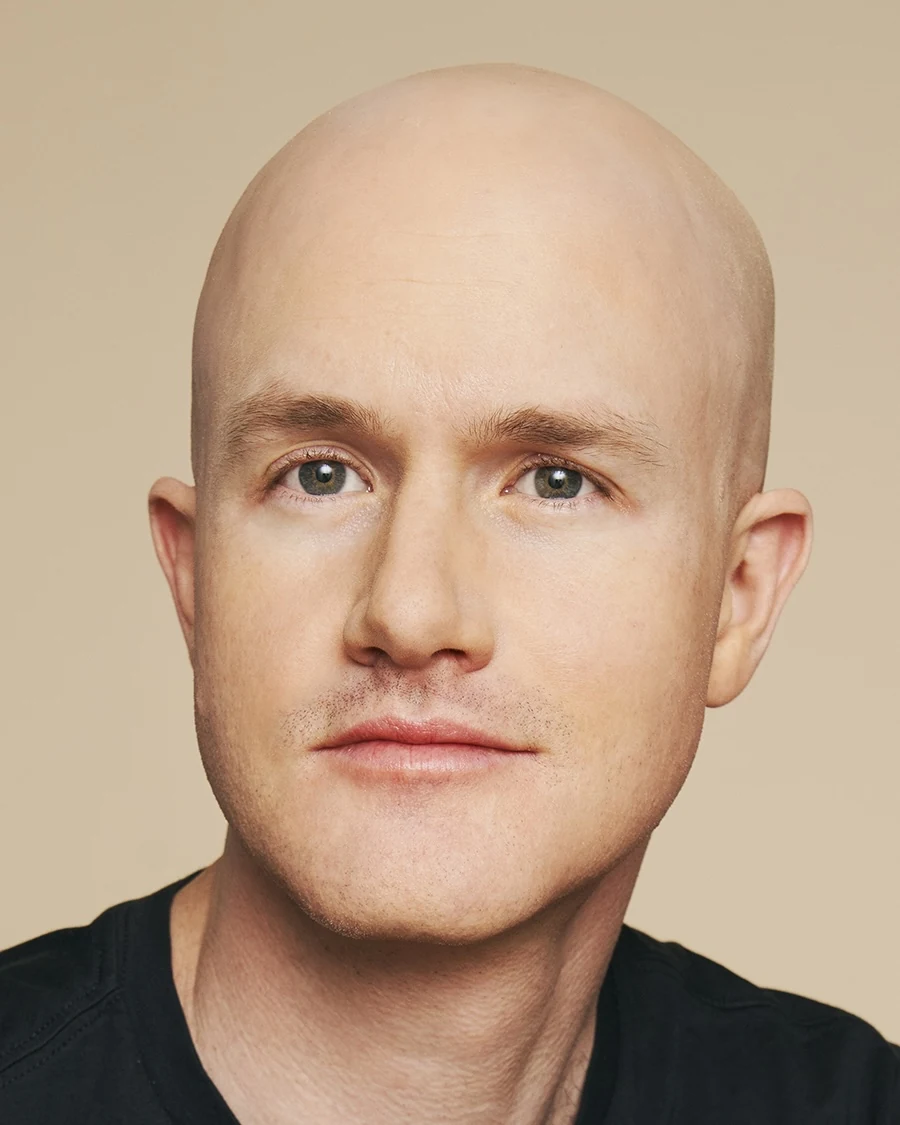
More of Brian Armstrong.
8 photographs
A closer look, beyond the biography.


CONNECTED BY FIELD
Other people.
Shared territory.

Technology
Anne Boden
Starling Bank
Anne Boden's founder story connects computing, banking operations and the creation of Starling, followed by a transition from its founding chief executive role.

Technology
John Collison
Stripe
John Collison connects the practical beginnings of Stripe with a wider interest in how people develop companies, share knowledge and support new ideas.

Digital Business
Mark Cuban
Mark Cuban Companies · Cost Plus Drugs
Mark Cuban's business history spans MicroSolutions, Broadcast.com and the Mavericks, with later ventures and public work introducing additional industries and operating models.