
Sam Walton
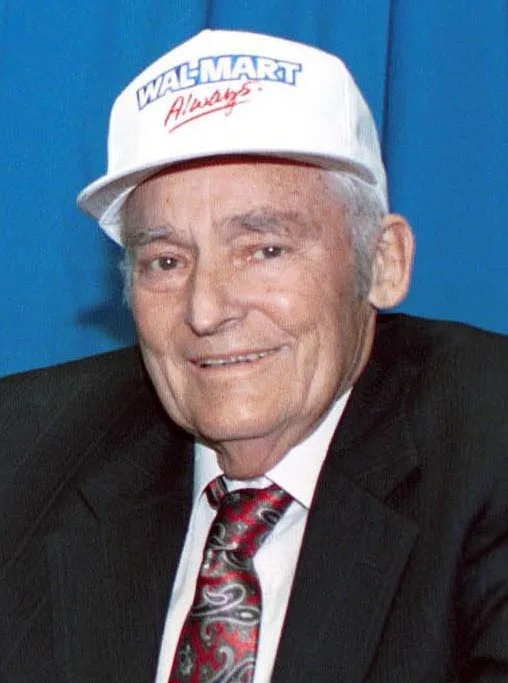
BUSINESS ASSOCIATION
Walmart · Sam's Club
Explore Walmart: company profileThe founder behind Walmart and Sam's Club whose retail career connected customer value with store operations and the development of a distribution network.
Learning the responsibilities of a retailer
Sam Walton worked in variety stores before establishing the business associated with Walmart. The company's history includes the opening of Walton's 5&10 in Bentonville, Arkansas, in 1950. Merchandise, customers and the daily responsibilities of a shop gave him a practical retail background.
That experience informed the later focus on price and value. Selling goods was a familiar transaction, while Walton explored ways to make the offer a stronger reason for customers to choose his stores. Operating knowledge provided the foundation for the next business chapter.
Establishing a discount store in Rogers
Walton opened the first Walmart in Rogers, Arkansas, in 1962. Lower prices and local customer needs were part of the discount-retail model. The shop became the starting point for a company intended to provide value through its everyday offering.
Growth required purchasing, inventory, distribution and store management to work together behind the price proposition. New locations needed an organization capable of supporting their operations. The customer-facing stores and the systems supplying them developed as connected parts of the expanding business.
Introducing another retail format
Walmart became publicly traded in 1970 and continued to develop its stores and distribution capabilities. In 1983, Walton opened the first Sam's Club in Midwest City, Oklahoma. The membership-based warehouse added a related format alongside the Walmart retail network.
These offerings served shoppers in different ways while sharing an emphasis on value. Walton's entrepreneurship included developing the original retail organization and extending its approach into another operating model. Each format brought its own relationship with customers and the way they purchased goods.
Sources [1]
Leaving a customer-focused operating legacy
Walton's public identity developed through stores, employees and the company he built. His career preceded today's social-media founder culture, with the operating business providing the setting in which people encountered him. Walmart's history emphasizes attention to both customers and the people working in its operations.
Walmart and Sam's Club developed their own teams, distribution systems and store networks. Their accounts connect Walton's legacy with the operating principles and customer focus of the founding story. These organizations give that legacy a practical setting within the work of retail.
A few turning points
Career milestones
The shop as the first place to learn retail
Walton's variety-store experience placed the business close to the people buying everyday goods. Merchandise had to be selected, available and presented in a way that made the shop useful to its customers. The Bentonville store provides a named setting within that earlier history. It gives the later Walmart founding chapter a practical retail foundation, with the company's own account following the sequence. The entrepreneurial story begins with running stores and learning from their daily operation before a much wider retail organization emerges.
A price promise also depends on the work behind the shelf. The retailer needs to obtain products, keep them available and coordinate the costs of operating the store. Walton's focus on value therefore connects a visible customer proposition with the organization supplying it. This is an important part of the biography's business subject. The first Walmart was a particular shop serving local customers, while the later network required a wider system through which the same kind of retail experience could be delivered across locations.
The named places make that progression tangible. Bentonville identifies the earlier Walton's 5&10 chapter, while Rogers identifies the first Walmart. These are separate stages in the company timeline and in Walton's professional development. Keeping them distinct avoids collapsing the entire retail history into the moment the familiar company name appeared. The sources document a founder whose later business drew on work carried out in earlier stores, with everyday merchandise and customer relationships remaining at the center of the operating story.
A retail proposition supported by a distribution system
A growing network of stores introduces responsibilities beyond those of one shop. Products need to move through a distribution system, information about stock needs to be understood and each location needs people able to carry out the service. The company history places distribution and store development within the wider Walmart story. This gives Walton's founding association an organizational chapter. The proposition experienced by the shopper remains local and practical, while the business supporting it becomes a coordinated network with responsibilities across many sites.
Inventory provides a clear example of the connection. A product that is listed or advertised still needs to be on hand when a customer wants to buy it. Ordering and movement therefore become part of the customer experience even though the shopper mainly sees the shelf and the price. The retail model associated with Walton joins these parts of the operation. Its history explains the emphasis on value through a business that has to make purchasing, distribution and store management work together.
Public trading introduced another corporate setting as the company developed. The timeline records that milestone separately from the first store and the later membership format. It concerns the organization's market relationship rather than a particular shopping experience. The biography retains these distinct developments so that the career can be understood at both levels: the stores serving customers and the company changing its structure over time. Walton's founding identity connects them, while the named events provide the chronology through which the larger institution developed.
The membership warehouse as another retail format
Sam's Club introduced a membership-based warehouse alongside the Walmart store network. The first location in Midwest City is another concrete point in the timeline. A membership format creates a different relationship with the shopper, while the warehouse setting changes how the offer is presented. The biography can identify that development as a separate entrepreneurial chapter within the wider retail association. It shows Walton applying a continued interest in value through another business format, with its own name and customer experience.
The two retail identities are related but distinct. A person encounters Walmart as a store serving everyday shopping needs, while Sam's Club places participation within a membership framework. The company sources explain the beginnings of both and preserve the named locations and dates. This makes the professional account more detailed than a general description of discount retail. It follows an owner developing stores, a distribution-supported network and an additional format through which people could purchase goods.
Walton's biography also differs from the profiles of contemporary media entrepreneurs because the operating companies provide the principal public record. Store history, customer priorities and the people working in the organization are central to the account. The company's retrospective gives that record a particular perspective, but it supplies direct references for the milestones presented here. Readers can follow the founder through those events and examine how the institution describes the principles and practices attached to its own history.
Across the documented sequence, the recurring relationship is between the customer proposition and the work needed to deliver it. Lower prices and value are visible at the point of purchase; purchasing, inventory and distribution support them within the operation. The early stores supplied experience with that relationship, and the later organizations supplied additional scale and formats. These concrete activities give Walton's entrepreneurial biography its practical center and connect the founder's legacy with the businesses and people named in the source record.
The people working in the stores also belong to this operating story. A retail system is experienced through daily service as well as its distribution network. Walmart's founder account connects attention to customers with attention to those carrying out the work, giving the wider company history a human setting alongside the store and corporate milestones. The store locations and membership format keep those developments tangible, allowing the founder's story to be followed through particular retail settings alongside the larger corporate chronology.
The evidence behind the account
Sources & further reading
The linked source material was checked on October 13, 2026. Roles and business relationships may change. Source numbers refer to the sections above.
- WalmartWalmart's history and timeline
- WalmartSam Walton — Walmart founder
IN PICTURES THE PHOTO ARCHIVE
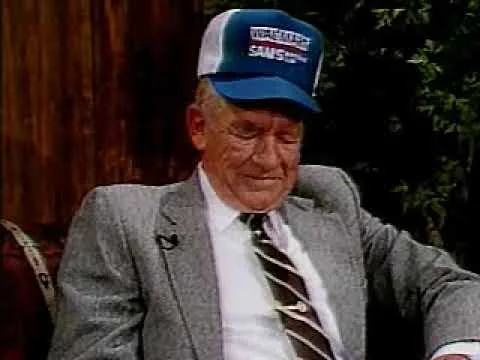
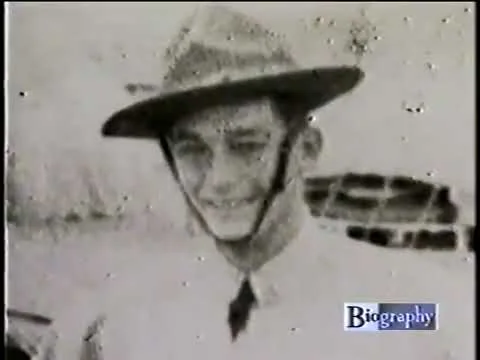
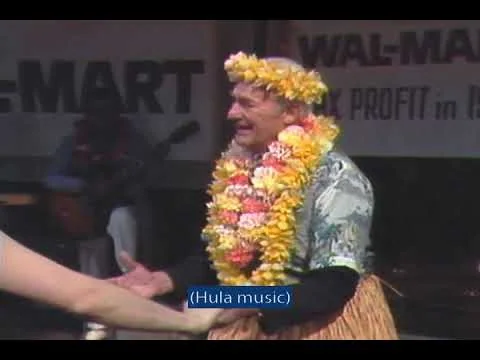
More of Sam Walton.
8 photographs
A closer look, beyond the biography.
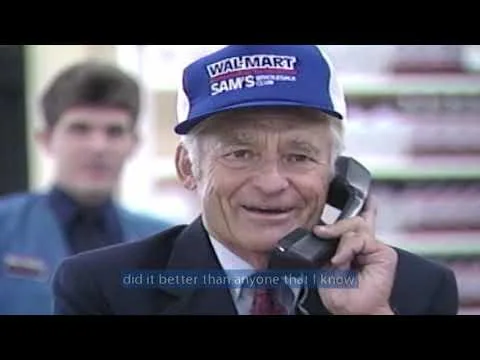
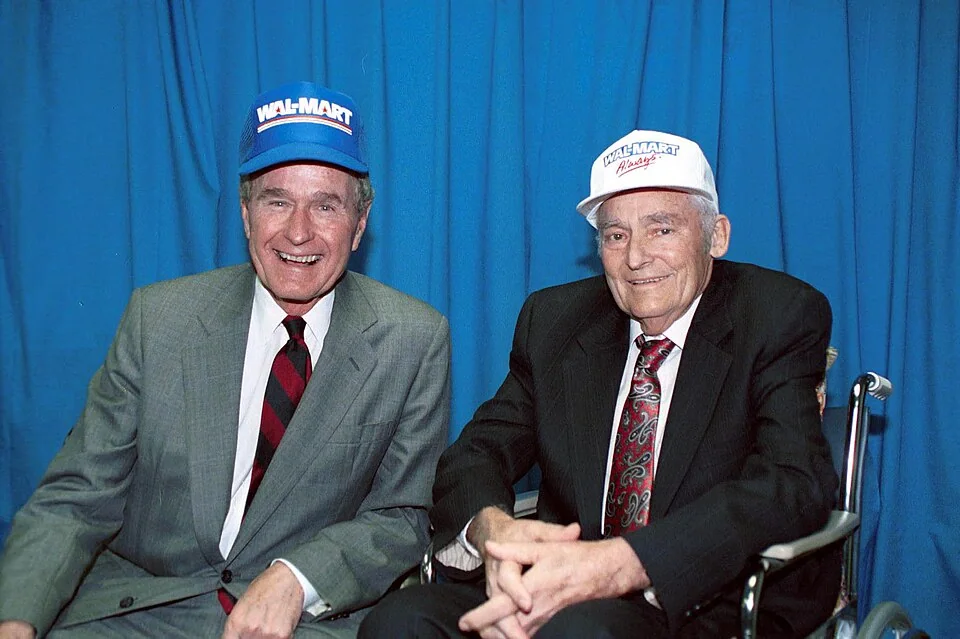

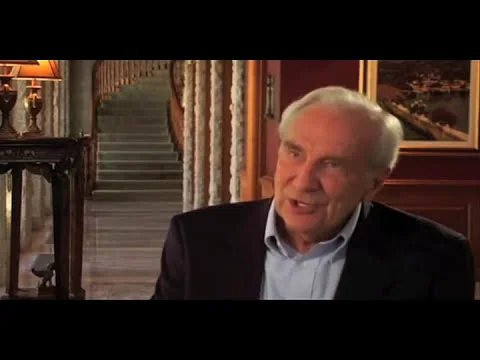
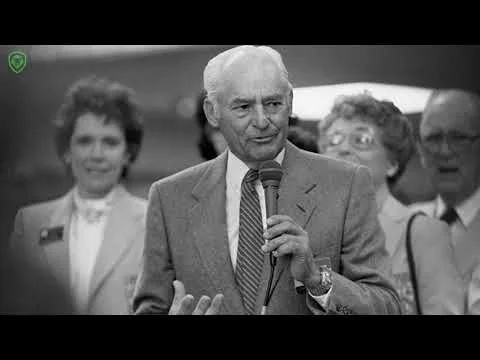
_(cropped).jpg)

CONNECTED BY FIELD
Other people.
Shared territory.

Digital Business
Andy Frisella
1st Phorm / Supplement Superstores
Andy Frisella connects experience in customer service and nutrition retail with a fitness brand, public business discussions and a defined discipline programme.
Consumer Brands
Ben Francis
Gymshark
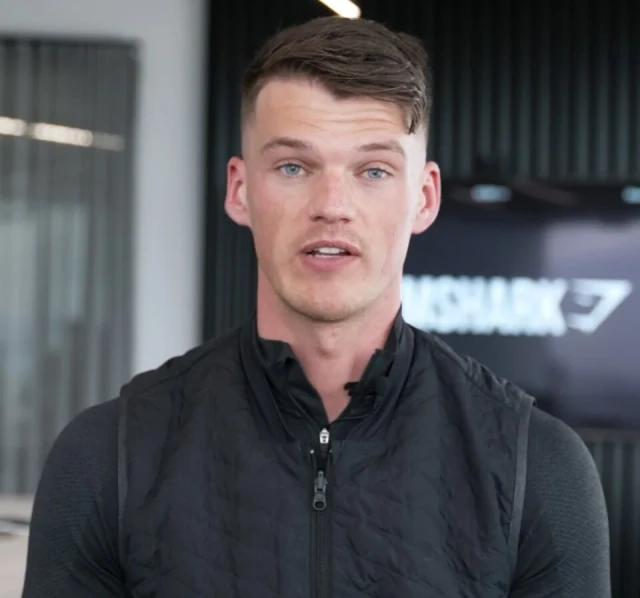
Ben Francis built Gymshark from a garage operation into a fitness brand, developing his approach to products, investment and company leadership along the way.

Consumer Brands
Emma Chamberlain
Chamberlain Coffee
Emma Chamberlain connects a recognizable creator voice with Chamberlain Coffee, a business built around the coffee ritual that appeared throughout her everyday content.