
Russell Brunson

BUSINESS ASSOCIATION
ClickFunnels
Explore ClickFunnels: company profileA ClickFunnels co-founder whose experiments in online selling developed into marketing software, books and educational work around customer journeys and offers.
Learning marketing through online selling
Russell Brunson's account begins with experiments in selling online. These introduced direct-response marketing and the way a customer moves through a sequence of messages and offers. Practical selling provided the starting point for the subjects that later became central to his business.
Sales funnels organize connected pages around a purchase or another action. Brunson developed his work around this relationship between the first offer and the visitor's next step. Both his educational material and software products draw on that interest in shaping a customer journey.
Sources [1]
Making funnel-building available through software
Brunson co-founded ClickFunnels with Todd Dickerson. The company supplies software for creating sales funnels, websites and related tools for online businesses. It gives the marketing ideas associated with his name a practical product that other entrepreneurs can use.
Organizing offers, collecting leads and selling products are among the activities supported by the platform. Bringing the steps into one software environment creates a different offering from teaching the concepts alone. ClickFunnels connects marketing knowledge with tools for implementation within a business.
Developing a wider educational offering
DotCom Secrets, Expert Secrets and Traffic Secrets are among Brunson's books. They develop the ideas about audiences, offers and funnels that appear in his wider teaching. Publishing provides a sustained format alongside the individual subjects he explains through public content.
Videos, courses and events add other learning settings. His personal identity and the ClickFunnels community connect the software business with people interested in online entrepreneurship. These formats share a subject while offering different ways to study and put marketing ideas into practice.
Studying the way advertisements ask for a response
Brunson recalls collecting direct mail from twelve and paying attention to advertisements on screen and in audio. He treated the offers as material to examine, learning about how products are introduced and how people are encouraged to respond. This interest preceded his later software and books.
It supplies an early practical thread through the career. An offer, its supporting message and the action of a prospective customer are connected parts of direct-response marketing. Brunson's later focus on funnels developed around these same relationships within a digital setting.
Sources [1]
Testing ideas with early products
His official retrospective dates ZipBrander software to 2003 and an instructional potato-gun DVD to 2005. The DVD also had an optional supplies kit, making the early project a specific experiment with related offers. These products came before the broader ClickFunnels venture.
The kit shows how a first purchase can connect with another relevant product. Presenting and delivering these offerings provided experience that preceded the later educational framework. The founder's own chronology gives those marketing ideas an operating background in actual selling projects.
Sources [1]
Connecting an explanation with tools for implementation
ClickFunnels provides a software setting for assembling the pages and stages of an online sales journey. This turns an interest in marketing sequences into a tool another company can use, connecting an offer with the steps through which a customer encounters it.
Books explain the thinking, while software helps put it into a working product. These different offerings address related needs within online business. Brunson's education and company-building work meet around the same subject, with a learning format and an implementation platform giving it separate practical forms.
Sources [2]
Early products as practical marketing experiments
The direct-mail collecting story gives Brunson's interest in marketing an early and specific form. He was examining how an advertisement introduced a product and invited a response. Later online products created a setting in which he could try related ideas himself. ZipBrander and the potato-gun DVD are identifiable examples in his official retrospective, placing practical selling before the larger software company. The biography therefore begins with attention to an offer and then follows that interest into businesses where the presentation could be tested through an actual purchasing process.
The optional supplies kit attached to the instructional DVD makes the relationship between offers concrete. Someone interested in learning how to make the object could also consider materials relevant to that task. This early example connects the initial product with another purchase through a shared use. Brunson's later teaching returns to connected stages of a customer journey, but the official account gives the theme a practical beginning. It shows an entrepreneurial subject developing through particular products rather than appearing only as terminology within books or a software platform.
An online selling experiment also requires a finished offer. The seller needs to explain what the customer is receiving and provide a way to purchase it. Those tasks link the message with delivery, placing marketing within an operating activity. The early products in Brunson's story give the later funnel discussion that commercial foundation. The source is his own retrospective, which is useful for understanding how he presents the progression from experimentation into the subjects associated with his educational and software businesses.
Sources [1]
A marketing sequence translated into a software product
ClickFunnels gives the funnel concept a practical product environment. A business can arrange pages and offers into a sequence through which a visitor encounters information and takes an action. The software's public description identifies that function and the related website tools. The partnership with Todd Dickerson supplies the named founding relationship. Together, those details make the company more concrete than a general association with online marketing. Brunson's entrepreneurial story includes establishing an organization that provides tools other businesses can use in presenting their own offers.
The customer of the software has a different role from the buyer of an early Brunson product. The software customer is organizing a sales experience for someone else. This creates another commercial setting within the same career: a seller's own experiments become part of the background to a platform used by other sellers. The public description explains the tool, while the official story explains the founder's interests. Reading the sources together gives the biography continuity between marketing practice and the development of software around that practice.
A funnel also connects several moments within a visitor's experience. An introduction, an explanation and a purchase decision can each require different information. The software supplies a place to assemble those moments, while the educational material discusses how Brunson thinks about them. These are complementary offerings with different products. One provides a tool; another provides a discussion of its commercial use. This distinction gives the broader business identity a clearer shape across software, books and other public material.
Books that give the teaching a sustained form
DotCom Secrets, Expert Secrets and Traffic Secrets provide named publications within Brunson's educational work. Their subjects connect audiences, offers and the ways people reach a sales environment. A book gives those related questions room to be developed over a longer sequence than a short explanation. The publications therefore add a clear authorship chapter alongside the software company. Readers can examine the material directly, while the platform source identifies the product through which related ideas can be put into a working online presentation.
Across the documented career, the recurring question is how an offer is introduced and how someone moves toward a decision. Early advertisements supplied material to study, initial products supplied experiments, ClickFunnels supplied software and books supplied educational formats. The named examples keep that progression tangible. They explain the connection between Brunson's public teaching and the operating business he helped establish, with each chapter attached to its own product or publication.
The variety of formats also creates several routes into the same subject. A reader may encounter a book first, while a business owner may begin with the software. The founder's personal story provides another introduction. Those routes lead to related material, but the learner, software customer and audience member each has a distinct relationship with the offering. Keeping those relationships clear gives the wider public identity a specific commercial structure.
The evidence behind the account
Sources & further reading
The linked source material was checked on October 13, 2026. Roles and business relationships may change. Source numbers refer to the sections above.
- Russell BrunsonRussell Brunson — My Story
- ClickFunnelsClickFunnels — sales funnel software
- Russell BrunsonRussell Brunson — books and education
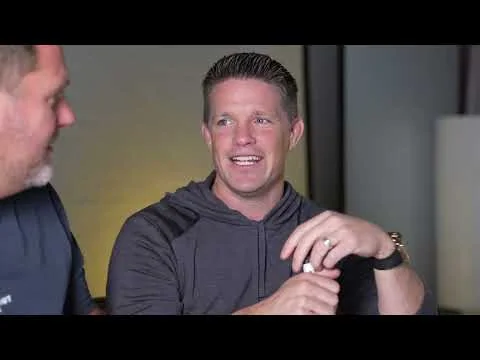
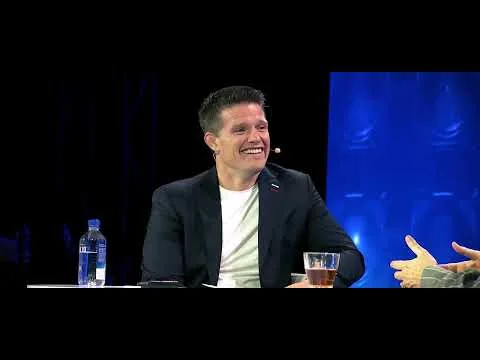
IN PICTURES THE PHOTO ARCHIVE
More of Russell Brunson.
8 photographs
A closer look, beyond the biography.


CONNECTED BY FIELD
Other people.
Shared territory.

Digital Business
Dan Martell
Martell Ventures
Dan Martell brings the experience of creating software businesses into education for entrepreneurs navigating growing teams and changing responsibilities.

Digital Business
Daniel Ek
Spotify
Daniel Ek's Spotify career spans the creation of a music service, expansion into other audio formats and a transition from chief executive to executive chairman.

Digital Business
Mark Cuban
Mark Cuban Companies · Cost Plus Drugs
Mark Cuban's business history spans MicroSolutions, Broadcast.com and the Mavericks, with later ventures and public work introducing additional industries and operating models.