
Richard Branson
BUSINESS ASSOCIATION
Virgin
Explore Virgin: company profileVirgin's founder whose entrepreneurial path developed from publishing and music into aviation and other ventures, with nonprofit initiatives adding a separate organizational strand.
Developing an audience through publishing and music
Richard Branson's early business was the magazine Student. A mail-order record operation followed, then a shop and recording studio. Virgin Records was established in 1973, making music an important foundation for the wider Virgin Group identity that later appeared in other industries.
The record company's history includes artists such as Mike Oldfield and the Sex Pistols. These were commercial choices within a specific business, serving a defined audience before the brand expanded further. Branson's progression connects publishing, retail and recording, showing how one recognizable name developed through several different responsibilities in the music market.
The shift from a shop to a recording business also changed the relationships involved. Customers buying music remained part of the story, while artists and the people producing releases added new responsibilities. This gives the developing Virgin identity a practical commercial history behind the name and helps explain its roots in a particular audience before later expansion.
Taking the Virgin identity into aviation
Virgin Atlantic began in 1984 and introduced an operating setting very different from music. Aircraft, routes, crews and passenger services needed to work together to deliver the airline experience. The venture adds organizational complexity to Branson's reputation for developing a recognizable consumer proposition.
Virgin Records was sold in 1992, while the wider group continued through telecommunications and travel ventures. Different products and industries gave the Virgin identity new settings. Branson's career connects the brand with efforts to develop a distinctive customer experience, alongside the separate operations required to make each business work.
An airline puts a brand's promise into repeated journeys. Booking and service need to connect with aircraft, crews and operational coordination, so a recognizable identity is accompanied by a different organization behind it. Branson's aviation chapter brings that relationship into view, adding another set of practical responsibilities to the publishing and music background. The industries differ, while the customer-facing interest provides a thread between them.
Adding nonprofit work and a spaceflight milestone
Virgin Unite was founded in 2004 as the group's nonprofit foundation. Its history describes support for partnerships addressing social and environmental questions and involvement in establishing initiatives including The Elders. This work adds convening and support for institutions to the commercial ventures within Branson's biography.
Branson joined Virgin Galactic's Unity 22 mission on July 11, 2021. The company's report describes a test-program flight with six crew members: two pilots and four mission specialists. This documented event gives the space venture a concrete milestone, while the wider Virgin story continues to include businesses with their own operating details and outcomes.
Moving from selling records to supporting artists
Mike Oldfield's Tubular Bells, released in 1973, became a signature early record for the Virgin label. The shop and mail-order operation had developed into a studio and recording company, adding work with artists and their releases alongside the existing relationship with listeners.
This gives the music chapter several connected commercial roles. Retail introduces people to records, while a label and studio help organize their creation and distribution. The early release makes that progression specific and shows why music remained part of Virgin's founding identity as the group entered new industries.
Sources [4]
Delivering a proposition through the passenger journey
Virgin Atlantic's history presents routes, service and the passenger experience as parts of its development. The Virgin name became something customers encountered through booking, the airport and time aboard an aircraft. Aviation extended the brand from a product purchase into a journey with several linked stages.
Making that proposition work involves systems and crews carrying out responsibilities beyond the founder's direct presence. The airline chapter therefore connects positioning with ongoing delivery. It provides a practical example of the organization required to support a distinctive experience within an established and operationally demanding industry.
Sources [1]
Creating connections through Virgin Unite
Virgin Unite describes bringing people and organizations together around social and environmental issues. The Elders provides an example through a group of independent leaders and their collective contribution. This setting concerns partnerships and influence rather than the development of a conventional consumer product.
Branson's role can involve attracting support, connecting participants and helping establish a platform, with the initiative's work carried out by its own people. This adds a different institutional chapter to his entrepreneurial profile. The Virgin network also becomes a setting for supporting nonprofit activity alongside its commercial operations.
Sources [2]
A few turning points
Career milestones
From a publishing audience to a record business
Student gave Branson an early business organized around publishing and an audience. The later record operation introduced a different product while retaining the importance of reaching people with an identifiable offer. Mail order, a shop and a recording studio then created several settings within the music chapter. Each involved another relationship with the product and its audience. The biography follows that sequence through the official and biographical accounts, giving the wider Virgin identity a concrete commercial foundation before it appeared in additional industries.
The record label added a relationship with artists alongside the earlier retail relationship with listeners. Tubular Bells provides a named example within the early catalogue. This makes the music chapter a connected history of selling, producing and distributing work, rather than only the use of a familiar brand name. The later sale of Virgin Records is another dated corporate development. Keeping these stages together gives Branson's career a clearer chronology and shows how the music business remained a particular organization within the broader group story.
A brand experienced through a journey and through new institutions
An airline places a consumer identity within a sequence of services. Booking, the airport and time on board all contribute to the passenger's experience, with aircraft and crews supporting that journey. Virgin Atlantic therefore introduced a different operating environment from records or publishing. Branson's biography connects the familiar Virgin identity with the practical work of aviation, while the airline's history provides the direct source for that company chapter. The move gives the wider career range without making the industries interchangeable.
Virgin Unite introduces a nonprofit institution and a different type of relationship. Convening people and supporting partnerships around social or environmental questions is distinct from selling a consumer service. The Elders supplies a named example of an initiative in that history, giving the association a concrete reference. The foundation's timeline is useful for following how it presents those collaborations. It places the philanthropic chapter within its own organization, alongside rather than inside the commercial operations described in the airline and music accounts.
The Virgin Galactic flight adds a documented event within another technical setting. The company's announcement identifies the fully crewed spaceflight and Branson's participation, giving the biography a specific milestone instead of only an ambition around space. Its place in the professional account connects an individual public figure with a named company and event. The source is direct to that occasion, while the broader group history supplies the context of a career associated with extending the Virgin identity across several fields.
The result is a sequence of distinct ventures with a recognizable public connection. Publishing and music supplied early audience relationships, aviation supplied a passenger-service organization, and later institutions added nonprofit and spaceflight chapters. Each has its own source and operating setting. Following those details gives Branson's profile breadth while preserving the concrete activities behind the familiar name.
The named companies and initiatives also show the importance of partnership within the account. A public founder can connect an identity across industries, while the work of artists, crews, organizers and technical teams gives each venture its particular practical form.
Those different participants give the wider group history a concrete working context across industries.
The evidence behind the account
Sources & further reading
The linked source material was checked on October 13, 2026. Roles and business relationships may change. Source numbers refer to the sections above.
- Virgin AtlanticVirgin Atlantic press kit — Richard Branson biography and company history
- Virgin UniteVirgin Unite timeline
- Virgin GalacticVirgin Galactic successfully completes first fully crewed spaceflight
- Biography.comRichard Branson
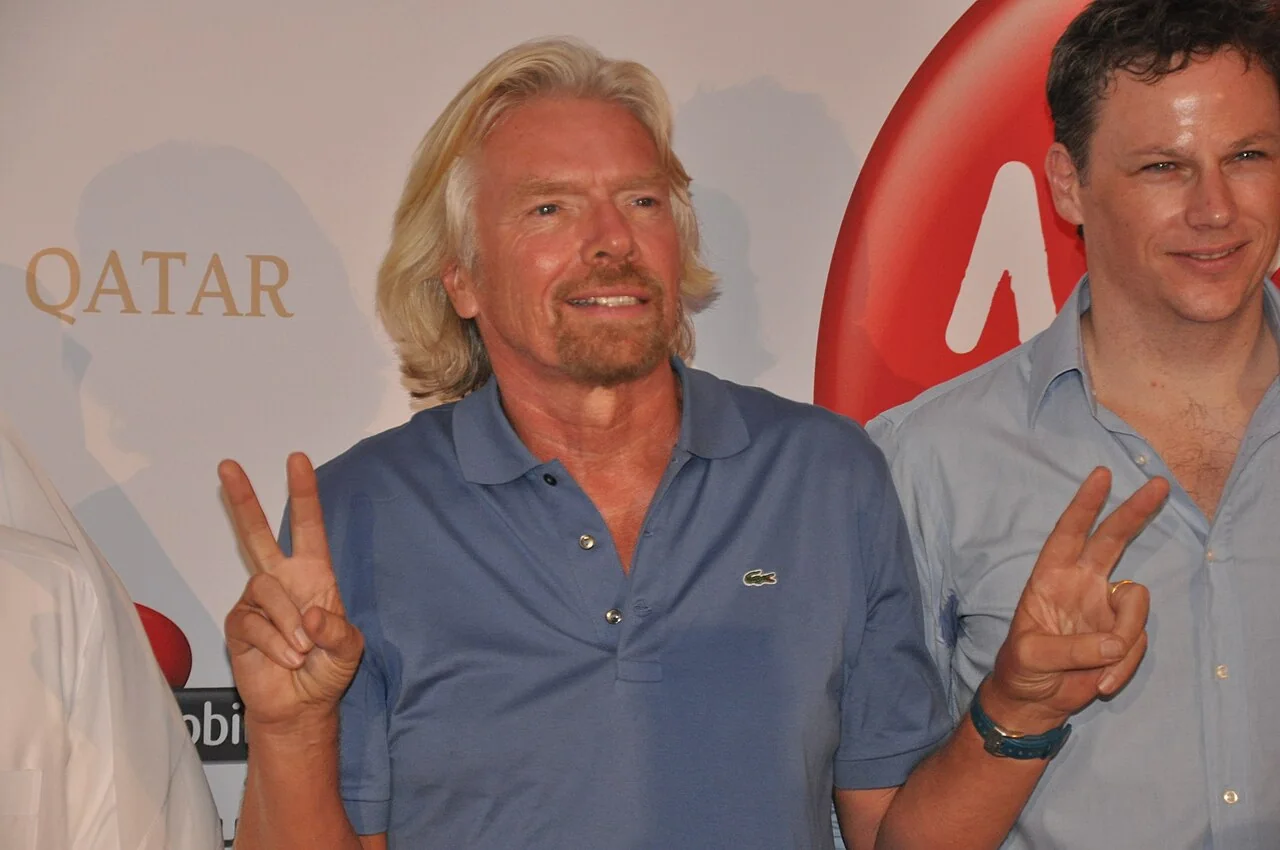
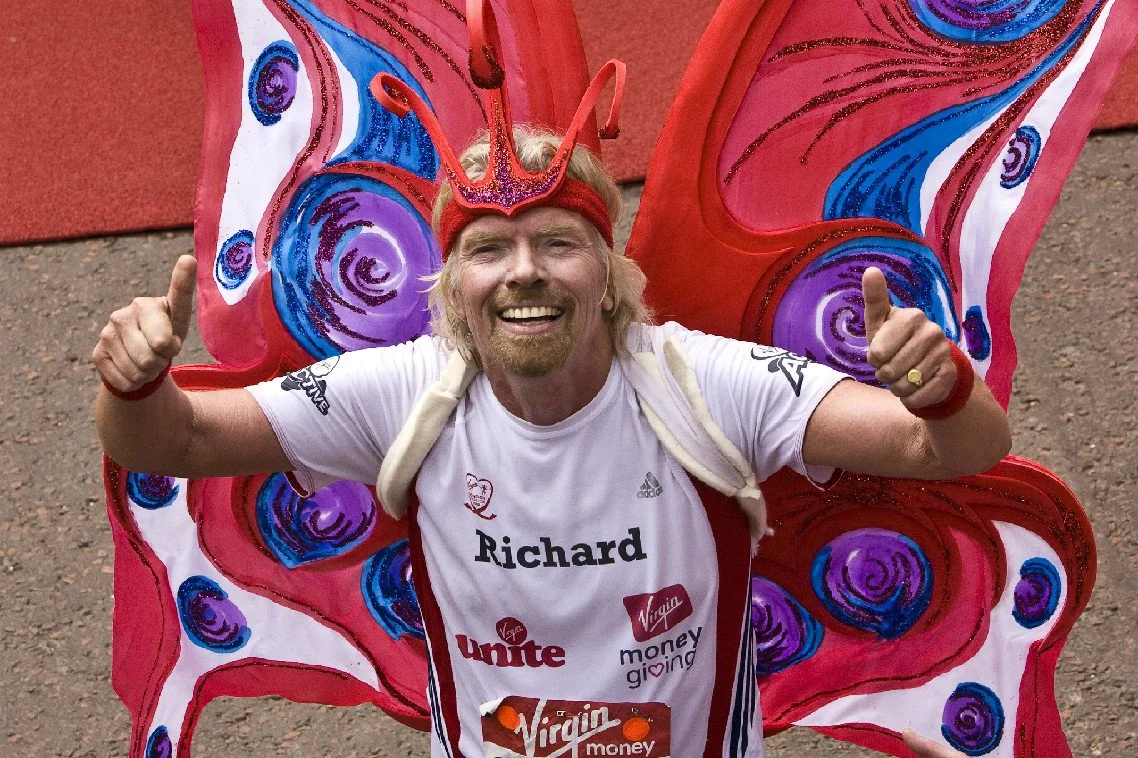
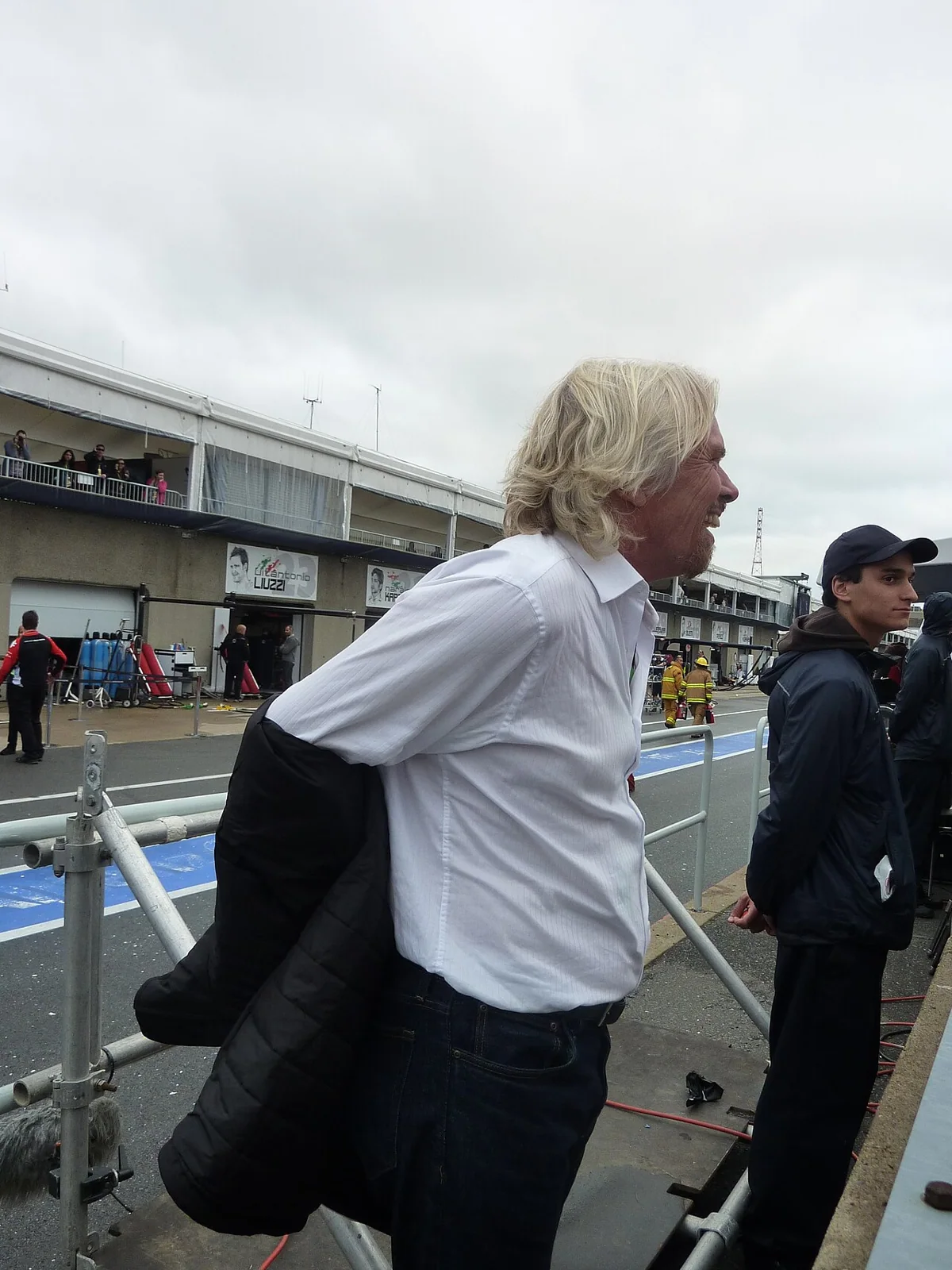
IN PICTURES THE PHOTO ARCHIVE
More of Richard Branson.
8 photographs
A closer look, beyond the biography.


_(cropped).jpg)
.jpg)


.jpg)
.jpg)
.jpg)
CONNECTED BY FIELD
Other people.
Shared territory.

Media & Marketing
Alex Cooper
Unwell
Alex Cooper expanded a recognizable interview show into Unwell, combining her work as a host with the responsibilities of building a platform for other creators.

Digital Business
Andy Frisella
1st Phorm / Supplement Superstores
Andy Frisella connects experience in customer service and nutrition retail with a fitness brand, public business discussions and a defined discipline programme.
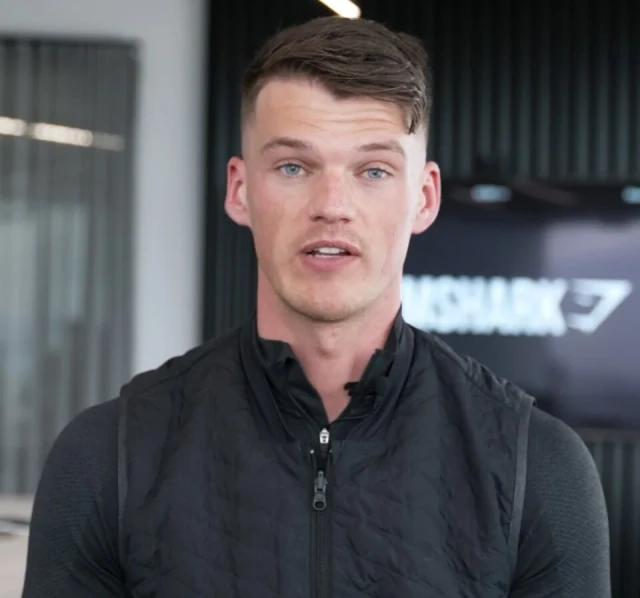
Consumer Brands
Ben Francis
Gymshark
Ben Francis built Gymshark from a garage operation into a fitness brand, developing his approach to products, investment and company leadership along the way.