
Chris Do

BUSINESS ASSOCIATION
The Futur · Blind
Explore The Futur: company profileA motion-design studio founder who developed The Futur to make the business skills behind creative work more accessible to other professionals.
Developing design and commercial skills together
Chris Do established the motion-design company Blind in Los Angeles in 1995. His official biography describes learning project bidding, lead generation and sales conversations alongside his design practice. Developing the studio brought creative decisions together with the commercial responsibilities required to deliver work for clients.
Blind became an important foundation for his later teaching. Running a studio meant selling services, maintaining client relationships and supporting an ongoing operation. These practical experiences gave Do a set of business questions that he would subsequently explore with a wider audience of designers and creative professionals.
Sources [1]
Learning how creative expertise becomes a business
Do credits business coach Keir McLaren with contributing to the way he developed his company over a long mentoring relationship. In his account, this guidance helped connect design expertise with pricing, positioning and the work of selling creative services. Commercial understanding became a complement to the craft itself.
That connection informs The Futur's educational focus. Its material addresses the knowledge needed to turn creative ability into a livelihood, with client conversations and business development appearing alongside design and branding. The platform gives practical business questions a place within the wider development of a creative career.
Turning studio experience into education
Do founded The Futur and serves as its chief executive, while also appearing as a presenter. The company combines courses, coaching, a community and freely available media. Conversations and demonstrations help make subjects such as pricing and selling more concrete for designers and other creative service providers.
This educational business translates an operating background into learning products. A viewer may discover a video or podcast before exploring a course or joining a community. The different formats connect through the practical challenges faced by people who want to develop their creative work into a sustainable business.
Using media to explain the commercial side of creativity
YouTube and other social platforms form part of the reach described in Do's official profile. His speaking topics include sales, personal branding, pricing and content creation. These subjects link the media presence with the educational work and products of The Futur, giving the audience several routes into its material.
Do's entrepreneurial career includes a studio delivering creative services and a platform teaching the business skills around them. Both draw on the relationship between creative capability and commercial understanding. Through these different companies, he has made the practical side of earning a living through creative work a central subject of his public identity.
A few turning points
Career milestones
- 1995
Starts Blind in Los Angeles.
[1]
The commercial questions surrounding creative work
Chris Do's public work addresses the point at which a creative skill becomes part of a business relationship. A designer may be able to produce strong work and still need to explain a proposal, agree a scope and communicate with a client. Those responsibilities connect creative practice with the practical operation of a company. The Futur places this connection near the center of its educational identity. Its description gives Do's biography a clear subject: helping people consider the business around the work they make, including the conversations and decisions that happen before and after the creative process itself.
A client relationship begins with understanding a problem and deciding what work will address it. The creative professional then has to describe the proposed service in a form the client can assess. Questions about a price, a deadline and a deliverable all belong to that exchange. Do's teaching is associated with these commercial subjects, making the audience broader than people looking only for instruction in a particular design tool. The source material presents The Futur as education for creative business, linking professional practice with the ability to explain and organize that practice for another person.
This focus also gives the studio background a place in the story. Working in a creative business involves projects, clients and a team, so it supplies a practical setting for the questions later addressed in education. The founder biography connects Do's professional experience with the platform he established. That relationship explains the continuity between doing client work and discussing how creative services are sold. It provides context for his public teaching without assuming that every lesson applies in the same way to every freelancer, studio or client situation.
Turning professional experience into educational formats
The Futur makes business education available through a recognizable publishing and learning brand. Different formats let an audience encounter a subject at different levels of depth. A public discussion can introduce a question, while more structured educational material gives someone an opportunity to study it over time. Do's role connects those formats through a consistent subject area and public identity. The platform is therefore both an organization and a place where his approach to creative business becomes visible. Its own materials identify the founder relationship and explain the educational offering associated with the name.
Teaching a commercial conversation requires more than stating a principle. A learner needs to understand the setting in which a question arises and the different interests of the people involved. A designer and a client may use different language for the same project, and a proposal has to help them reach a shared understanding. The business topics associated with Do create room for that kind of explanation. This makes his education work distinct within a creative field: it follows the professional relationship surrounding a piece of work as well as the skills used to produce the work itself.
A public educational platform also creates a different relationship from a studio's engagement with an individual client. A client commissions a particular result. A learner seeks understanding that can be applied to their own circumstances. Moving between those settings asks the educator to make experience understandable to people who were never part of the original project. The founder biography and the platform description place Do within that transition. They explain how a creative career can develop into publishing and education while retaining a focus on the everyday questions encountered by professionals running their own services.
An identifiable place in the creative business community
The name The Futur gives the educational activity an identity that people can return to independently of a single video or discussion. Do's public presence supplies a recognizable individual, while the platform supplies the wider organizational home. Together, they connect authorship, teaching and a commercial offering. For the biography, the distinction is useful because it makes the business association concrete. The account concerns a named founder and a named educational organization, with first-party sources available to describe their connection rather than relying on a general impression of online visibility.
Across the documented career, the recurring interest is the relationship between creative value and commercial communication. Producing work, explaining that work and sustaining the business around it are connected responsibilities. Do's studio experience provides a professional foundation, while The Futur carries the discussion to a wider audience of learners. This progression gives the profile its shape: creative practice develops into education about the conditions that allow that practice to become an ongoing business. The linked sources provide the starting points for readers who want to explore his own account and the platform's educational material.
The learner as a business owner
The audience described by The Futur includes people who need to make decisions about their own professional work. That gives the education a practical setting beyond watching a public personality. A learner can examine a conversation about a proposal or a client relationship and consider how the question appears in their own circumstances. Do's biography connects that audience need with the experience and platform presented in the official sources. It explains the focus of the educational business while leaving the application of any particular lesson to the individual learner and their professional situation.
Sources [1]
The evidence behind the account
Sources & further reading
The linked source material was checked on October 13, 2026. Roles and business relationships may change. Source numbers refer to the sections above.
- The FuturChris Do — founder biography
- The FuturThe Futur — creative business education
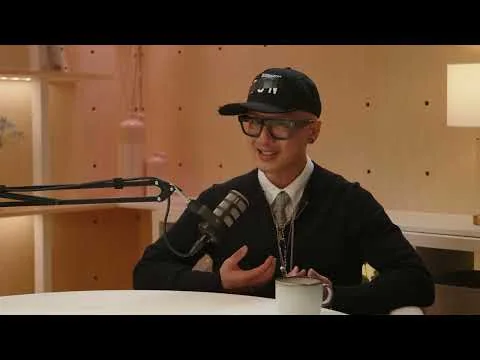
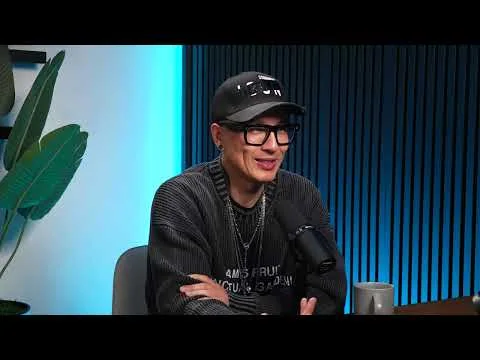
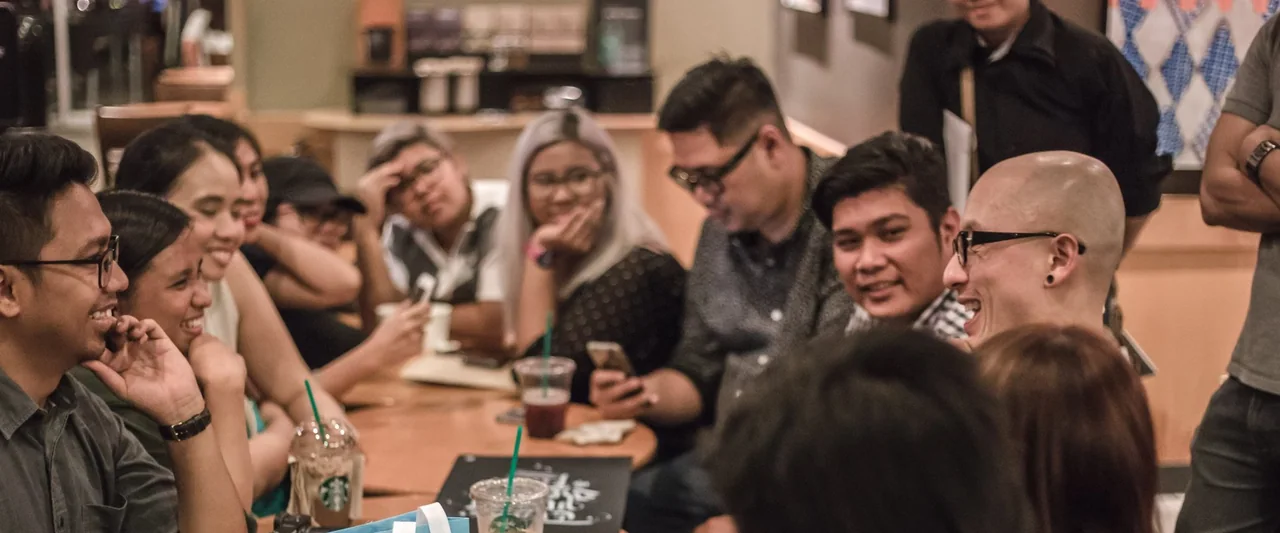
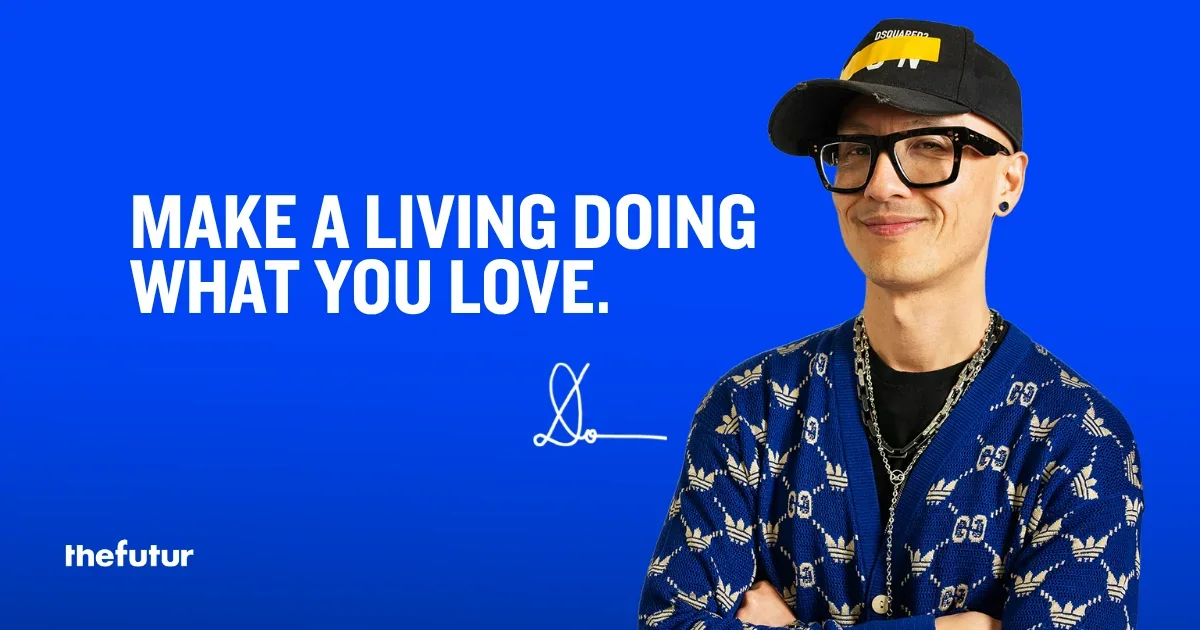
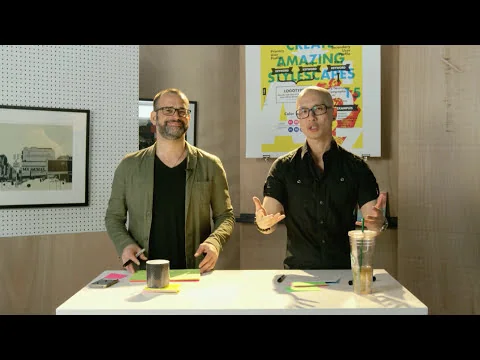
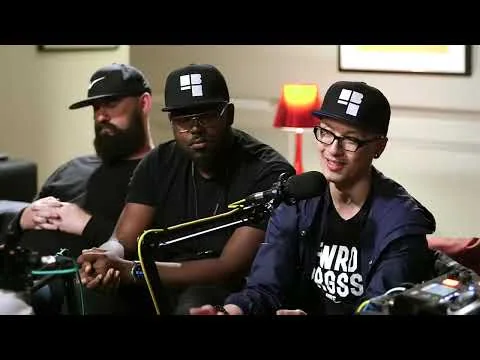
IN PICTURES THE PHOTO ARCHIVE
More of Chris Do.
8 photographs
A closer look, beyond the biography.



CONNECTED BY FIELD
Other people.
Shared territory.
Media & Marketing
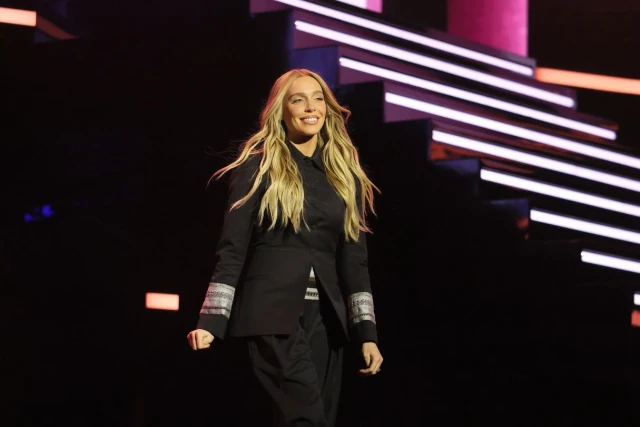
Alex Cooper
Unwell
Alex Cooper expanded a recognizable interview show into Unwell, combining her work as a host with the responsibilities of building a platform for other creators.

Digital Business
Alex Hormozi
Acquisition.com
From gym ownership to investment and publishing, Alex Hormozi develops his business ideas around the practical work of serving customers and building operations.

Digital Business
Andrew Tate
The Real World · The War Room
Andrew Tate's sporting background and public identity connect with digital learning and networking products, including The Real World and The War Room.