
Brandon Carter

BUSINESS ASSOCIATION
High Ticket Trainer
Explore High Ticket Trainer: company profileA fitness creator and business coach who founded High Ticket Trainer to help personal trainers develop online coaching businesses.
Fitness experience as the starting point
Brandon Carter's official biography describes a career in personal training, fitness modelling and content creation. This gives his later business education a practical starting point. The public material connects his work in fitness with the challenges of earning a living from that expertise.
His own publishing extends that experience to an audience beyond individual training clients. Videos and speaking appearances make the presenter a recognisable figure, while the recurring focus on fitness provides context for the professional services he promotes.
Sources [1]
Creating High Ticket Trainer
High Ticket Trainer is the programme Carter presents for personal trainers developing an online business. Its emphasis is on the commercial work around coaching: positioning a service, finding clients and structuring an offer. That makes it business education connected with a fitness profession.
The programme sits alongside his public content rather than replacing it. Free material introduces the presenter and his approach, while structured education offers a more focused setting for the same subjects. The connection between the two supports a recognisable personal brand.
Explaining the business behind expertise
Carter's long-form interviews discuss his career and the transition from fitness work to a coaching business. They provide a personal account of that development and of the decisions he considers important. The creator's story forms part of the way the service is presented.
Claims about earnings or customer success remain the claims of the speaker or programme. The identifiable entrepreneurial work is the combination of content, coaching and professional education. It shows a business built around helping people make their existing expertise into a service.
Fitness work before the later business education
Carter's official biography introduces him through personal training and nutrition, with fitness modelling forming another part of the professional background. It names Nike, Puma, Adidas and Men's Health within that modelling account. These associations place the early career in practical and public-facing fitness settings. Training concerns direct work with a client, while modelling contributes an appearance within material produced for a brand or publication. The source therefore gives the later educator a professional history beyond the online courses and business content most visible in the current public presentation.
Personal training also creates a defined service relationship. A trainer has to understand a client's aims and circumstances, arrange the work and provide guidance within that professional setting. Carter's later education addresses the business around such expertise. The connection gives the entrepreneurial story continuity: the first subject is fitness work, and the later subject is how a fitness professional organizes a commercial offer. The biography follows this relationship through the official account without treating an individual career story as evidence for the results of every learner who purchases training.
Public fitness content then gives the experience another route to an audience. A video can reach people who are never direct training clients, making publishing a separate activity around the same subject. Carter's official material connects this creator identity with the later educational programme. His long-form interviews add a personal perspective on the professional transition, while the company site supplies the named offers. Together, the sources identify practical service work, media and education as related but distinct parts of the career.
High Ticket Trainer and the professional audience it addresses
High Ticket Trainer gives the educational business a specific learner: a personal trainer considering an online fitness operation. The public description addresses the commercial work around coaching, including the way a service is positioned and the process of finding clients. This makes the programme's subject identifiable. The offer is connected with the fitness profession, but its purpose concerns running a business around that profession. Carter's founder association places him within a named programme rather than only within a general category of motivational or entrepreneurial content.
The official site also names Fit Biz Blueprint as another learning format. Its presence shows a catalogue organized around related stages of an online fitness business. The exact products should be examined through their own descriptions, but the shared professional setting is clear. A learner brings existing or developing fitness expertise and seeks to understand the commercial responsibilities around offering it. That connection supplies the practical center of the education chapter and gives the public creator identity a defined business association.
Online delivery changes the relationship between a trainer and the people receiving a service. The professional needs a way to communicate, arrange material and maintain the customer relationship through a digital format. The programme presentation makes the commercial side of that transition its subject. The biography can describe this educational focus while keeping individual health and training needs outside a general account of business development. It identifies the operator and offer, with the official material available for readers who want to see the original programme presentation.
Sources [1]
A public discussion of audience size and commercial work
Carter's site includes writing that questions the assumption that a large following alone creates a viable fitness business. The published subjects connect an audience with the separate work of structuring and selling a service. This is useful context for the career because his own public presence and educational offering are closely associated. A person can be visible without every viewer becoming a customer. The site presents the distinction as part of the material discussed with trainers, giving the education a commercial question more specific than growing a social account.
The same public material contains promotional statements about income and participant outcomes. Those claims are part of the operator's presentation and require their own evidence before being treated as established results. This biography follows the identifiable formats, professional associations and named programmes. The distinction allows the operating story to be described clearly without adopting a marketing figure as proof of what an individual trainer can expect. The linked sources preserve the original statements for readers examining the programme's complete context.
Longer interviews create another place for Carter to describe the work and his own decisions. They add a conversational account alongside the official biography and catalogue. The formats are complementary: the site identifies the offers, while the interviews give the individual's perspective on his professional life. Reading them together gives the fitness and business-education chapters a wider setting, with each source retained as the kind of account it actually supplies.
A career connecting expertise, publishing and a service business
Carter's documented entrepreneurial identity brings practical fitness work into a public teaching setting. Personal training and modelling supply the background, recurring content supplies visibility, and the named educational products supply a commercial learning offer. The profile follows those activities separately so that their relationship remains clear. It identifies the work through which an audience encounters the individual and the programmes through which he presents business education to other professionals.
The recurring subject is turning expertise into an organized service. That question connects the fitness foundation with the later audience of trainers developing their own businesses. The biography gives it concrete reference points through the official site and published interviews, keeping the person, professional background and commercial products identifiable within the same career account.
The named fitness brands and publication in Carter's modelling account add another professional setting alongside direct training. Appearing in commercial fitness material and serving a client are different forms of work, both connected to the same industry. The official biography places them before the later educational identity, giving the business-teaching chapter a practical and public-facing foundation. Those details preserve the professional history without requiring the programme's income claims to stand in for the career itself. The trainer remains the defined educational audience, which keeps the later commercial material connected with a particular profession and with the responsibilities of offering a fitness service to customers.
The evidence behind the account
Sources & further reading
The linked source material was checked on October 14, 2026. Company and creator descriptions are first-party accounts. Roles and business relationships may change. Source numbers refer to the sections above.
- Brandon CarterOfficial biography and High Ticket Trainer
- Grant Owen en Brandon CarterI Made $2.5M Without Relying On Motivation ft. Brandon Carter
- Brandon CarterWhat They Don’t Teach You About Winning ft.@officialjesserogers | EP. 195
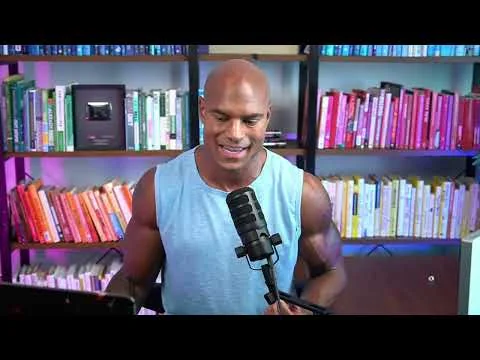
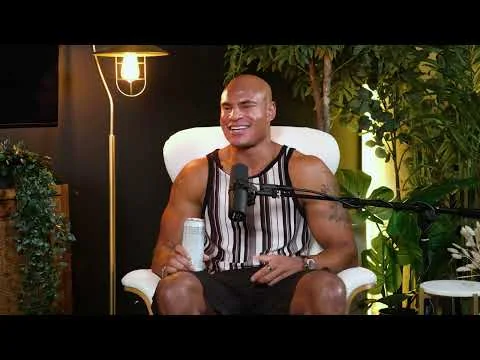
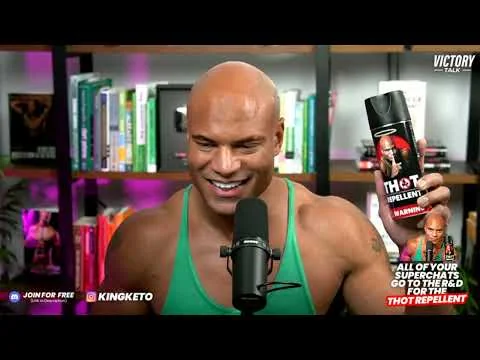
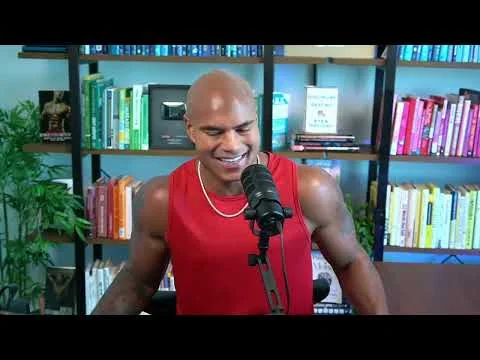
IN PICTURES THE PHOTO ARCHIVE
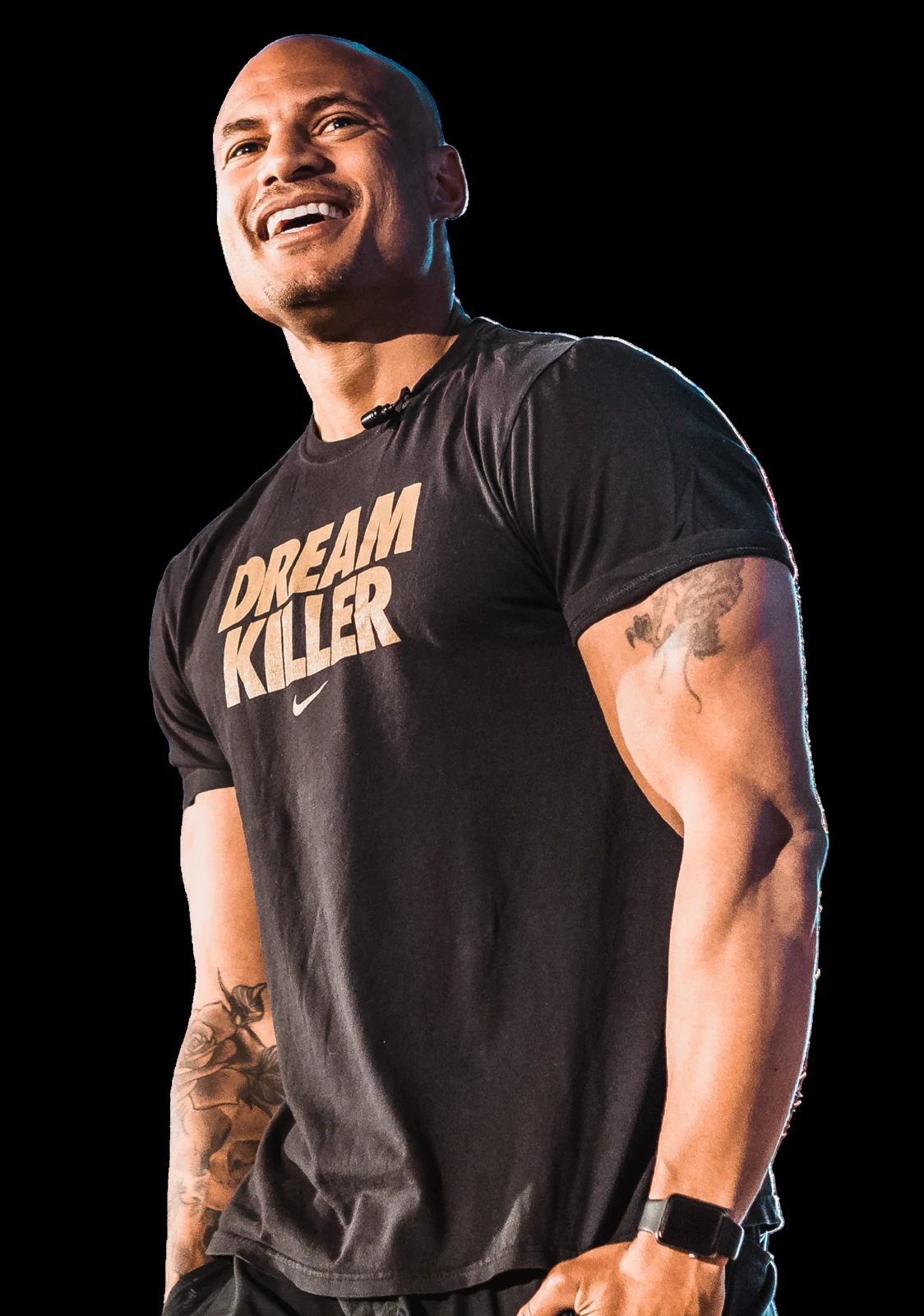
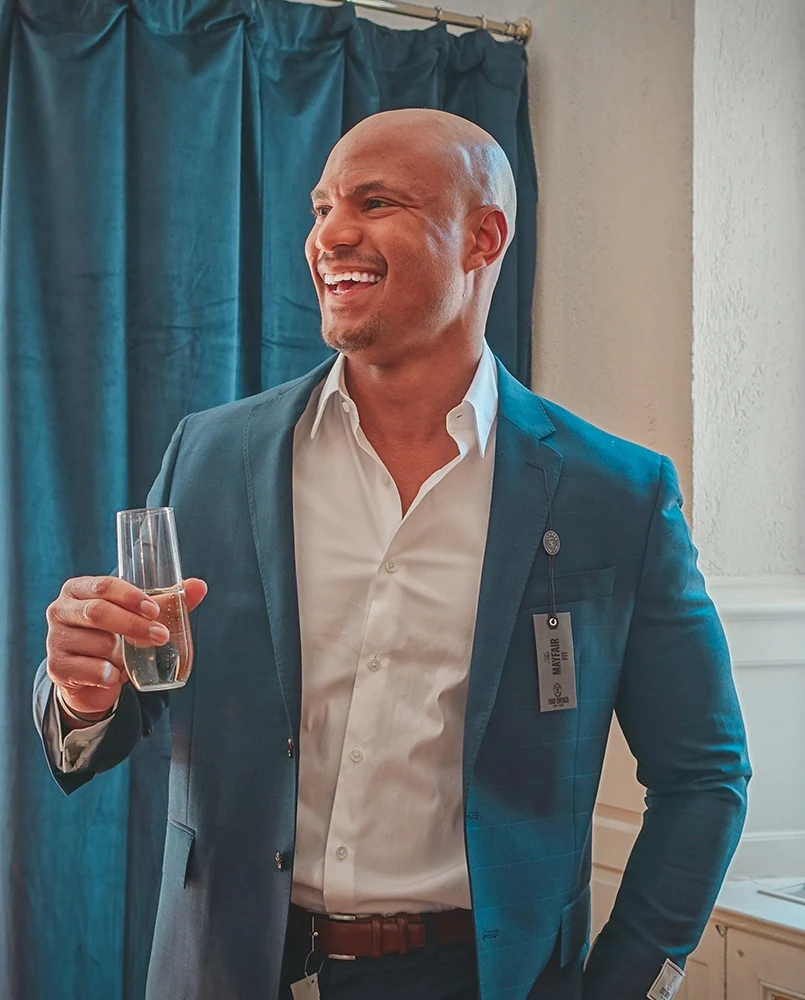
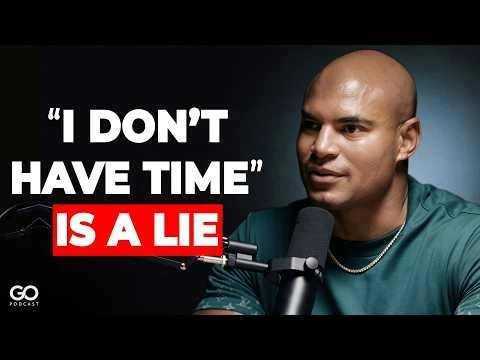
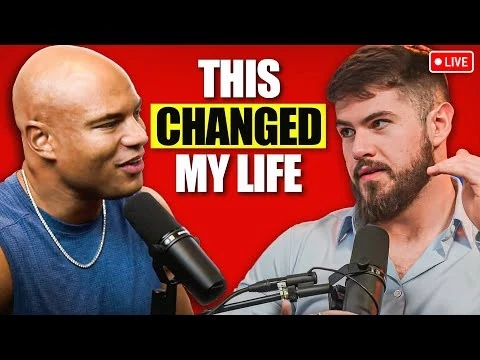
More of Brandon Carter.
8 photographs
A closer look, beyond the biography.
CONNECTED BY FIELD
Other people.
Shared territory.

Media & Marketing
Alex Cooper
Unwell
Alex Cooper expanded a recognizable interview show into Unwell, combining her work as a host with the responsibilities of building a platform for other creators.

Digital Business
Alex Hormozi
Acquisition.com
From gym ownership to investment and publishing, Alex Hormozi develops his business ideas around the practical work of serving customers and building operations.
Digital Business
Andrew Tate
The Real World · The War Room
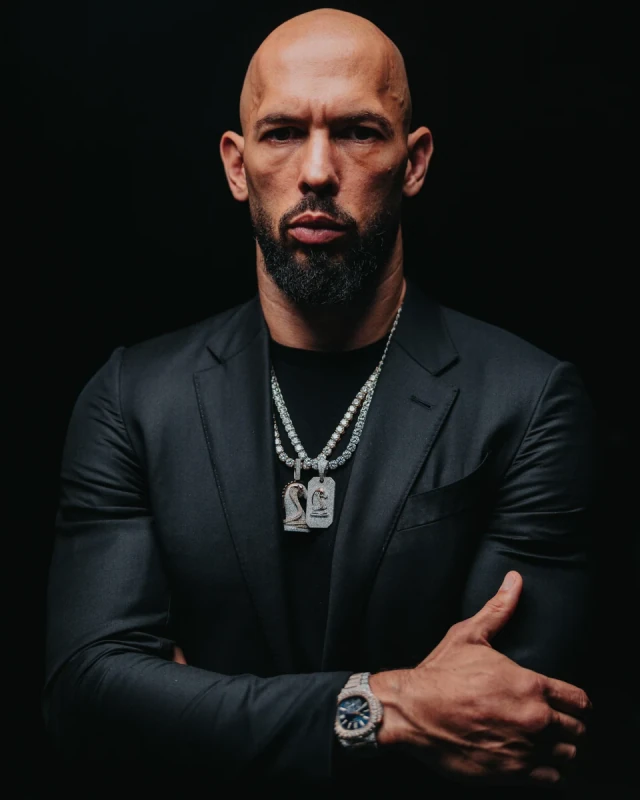
Andrew Tate's sporting background and public identity connect with digital learning and networking products, including The Real World and The War Room.